


 한국어
한국어  English (UK)
  Deutsch
  Français
  Русский
  Türkçe
  Polski
  Українська
  Italiano
  Português
  Español
  العربية
  日本語
日本語  简体中文
简体中文  Čeština
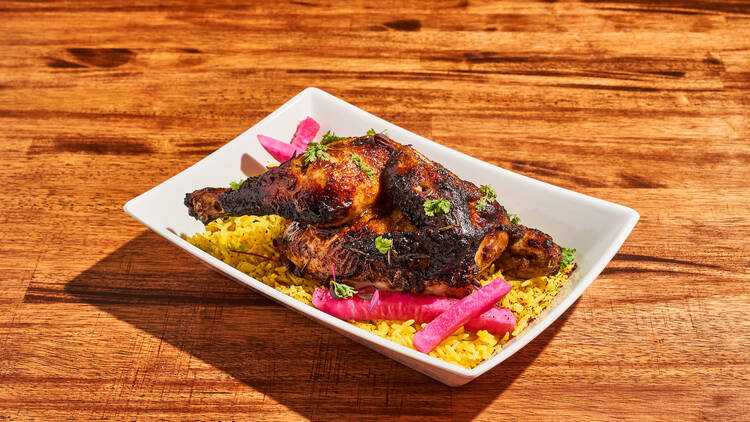
Bookmark a starter list of 10 California food creators to follow now, then grow your own list to 100 by week two. dubai cross-border ideas and local stories show how creativity fuels California food storytelling.
Focus on three starter niches: home cooks who share step-by-step recipes, wine enthusiasts who pair drinks with meals, and street-food lovers who highlight markets and pop-ups. A thoughtful mix helps you compare tips and rhythm across feeds, and makes it easier to identify content that travels to carousel posts and short videos.
For a data-driven approach, target accounts with 5k–200k followers, publish 3–5 posts weekly, and maintain engagement around 2–6% where available. When you see burritos posts or wine pairings that reliably score saves and comments, note the creator’s ability to explain technique in simple terms.
Use this guide to map connections between venues and creators. Keep a notebook of collaborations, including venues, menus, and tasting notes, and reach out through professional channels. If you see accounts with clear sourcing stories or kitchen tutorials, add them to your shortlist and plan monthly outreach with a simple email template. The goal is to build a reliable list you can refer to during content planning and partnerships.
Assess influencer credibility: verify follower quality, engagement rate, and detect fake followers
Think quick: start with a data-driven credibility check in a spreadsheet to compare a couple of native California food voices, including bayarea_fooddreamz and romaryosorio, plus a sample like hangryblogger, to set benchmarks for the scene.
- Follower quality indicators: review profiles for activity, posting cadence, and authenticity signals. Look for default avatars, sparse bios, or a burst of followers that spikes without a corresponding rise in posts. If 통해서 recent activity you see a high share of inactive accounts, flag the profile for deeper review.
- Engagement rate (ER) benchmark: compute ER per post and then average across 8–12 posts. Formula: ER = (likes + comments) / followers × 100. Use a bar chart in your spreadsheet to visualize ER distribution across candidates; aim for a healthy band in the 2–5% range for mid-size California food influencers, with higher rates for micro accounts that usually see more intimate audience engagement.
- Fake follower signals: inspect comments for quality (generic “Nice shot” vs. specific praise), identify accounts with no posts, or patterns of repetitive commenting. Check the follower growth curve for abrupt spikes that don’t match content cadence. If a profile shows 통해서 a combination of low-quality comments and irregular posting, mark as a potential risk.
- Audience alignment with topics: verify that the audience interest matches gastronomic content, whether Italian, Mexican, Chinese, or fusion dishes, and whether local California audiences (Bay Area, LA, etc.) are represented. This helps ensure the instagrammers you consider are known for relevant conversations and not just broad reach.
- Contact verification: confirm professional channels. Look for business emails in bios or linked media kits; cross-check with the editor or the owners of the account. If messaging, reference a concrete collaboration idea and request media kit access. When reaching out, use a recognizable channel such as gmailcom to ensure you’re contacting the right party and avoid impersonators.
- Content and brand fit: review the last couple of posts from each candidate. Assess how bars of post quality evolve, whether captions consistently share authentic experiences, and whether partnerships with brands like Adovada feel authentic rather than forced. A writer or editor perspective helps you gauge storytelling consistency across posts and topics.
- Consistency of tone and audience sentiment: analyze comments to see if followers’ reactions are insatiable for gastronomic topics or if engagement hinges on sporadic contests. A well-known creator with a loyal, loves audience tends to produce more sustainable results than a one-off spike.
- Due diligence checklist: maintain a shared spreadsheet with fields for handle, followers, ER, average likes, average comments, fake signals, posting cadence, topics, location signals (Bay Area, LA, etc.), contact method, and notes from the editor or brand manager. Include a column for couple of qualitative impressions from reviews by owners and collaborators.
Concrete evaluation steps you can apply now:
- Collect data for 8–12 recent posts per candidate; compute ER and track it alongside followers in the spreadsheet.
- Flag suspicious patterns: >15% inactive followers, low-quality comments, or sudden follower spikes with no corresponding content shift.
- Cross-check alignment with your topics (gastronomic, fusion, Chinese influences, regional California flavors) by reading captions and content narratives. Note usually there is a kind of storytelling that signals a genuine connection to the local scene and bestoflafood culture.
- Reach out to management via confirmed channels; require a media kit and cross-verify with the owners and the editor of the publication. If you hear back, request a short brand alignment test post to gauge authenticity before deeper collaboration.
- Document a short share note for each candidate: why they fit (or don’t), what audience they reach (followers by region), and the expected impact on your 2025 California Food Influencers roster.
Example profile snapshot: bayarea_fooddreamz shows 72k followers and averages 3.2% ER across 10 posts, with comments that reflect seasonal gastronomic events in the Bay Area. A writer from another publication notes romaryosorio as a known local voice who often shares topics on street food and farmers’ market finds, making him a strong candidate when paired with a credible hangryblogger collaboration. Use these references as a starting point to calibrate your spreadsheet model, and thru data comparisons you’ll identify usually high-confidence partners for the bestoflafood ecosystem.
Craft outreach emails: ready-to-send templates and follow-up cadence for CA food creators
Use a concise opener: introduce yourself, name your audience, and propose a 15-minute chat or quick shoot session. Include a sample deliverable–two high-quality photos and two caption ideas–and a link to your media kit. This CA coast focus helps local restaurants see immediate value.
Templates
Template 1: Restaurant outreach
Subject: Collaboration idea for [Restaurant Name] on the CA coast
Hi [Name], I’m [Your Name], a CA food creator with an engaged audience that loves regional flavors and wine pairings. I recently featured [Dish/Menu Item] and got great feedback from readers who follow doughy bread to sausage plates and seafood alike. I’ll share a 1–2 minute camera video plus two stills, with captions that highlight your style and the story behind your menu. If you’re open, I can tailor concepts for a short chaîné sequence across stories and a post, then tag you with a clear call-to-action. Inquiries welcome–happy to adjust for your timeline. You can find examples from other restaurants and critics, including little notes from Rachel and Jessica, on my profile.
Template 2: Producer or wine pairing outreach
Subject: Pairing feature proposal for [Wine/Produce] at [Restaurant Name]
Hi [Name], I’m [Your Name], a California creator focusing on coast-to-table pairings. I’ll craft a 2-photo set and a short clip showing how your wine or sausages pair with a signature dish. My audience includes food lovers who enjoy behind-the-scenes sharing and creator-led tours of kitchens and markets. If you’re curious, I can send a quick concept board and a sample caption plan that highlights your chainé menu moments. Open to a 15-minute call to align on timing and incentives, and I’ll tailor the content to your voice. – DavidTheFoodie, Zhang and team have found this approach resonant with restaurants across the coast.
Follow-up cadence
Send initial email on day 0. If there’s no reply by day 3–4, send a brief follow-up offering two concrete ideas and a quick link to a portfolio page. By day 7–10, reference a specific benefit (exposure to a local audience or a feature in a weekly roundup) and propose a single, low-friction next step, like a 15-minute call or a single photo set delivery. A final note on day 14 should acknowledge their inquiries and leave a respectful option to revisit later, ensuring you stay on their radar without pressure. Write with a friendly tone, keep it short, and never assume a yes–offer flexible timing and a easy path to say no if needed.
Practical tips: personalize each email with the owner or manager’s name, mention a recent dish or menu change, and reference a local angle–CA coast, wine region, or a current seasonal ingredient. Use a consistent sign-off that invites replies: “open to chat?” and include a straightforward next step. If you receive a positive response, move quickly to confirm dates, deliverables, and payment terms. Keep the same structure for all inquiries to maintain clarity, then adjust tone for each restaurant’s voice. Remember to track responses and iterate: a little tweak to the subject line or hook can change the outcome, as seen when the same approach worked for Lisa and Rachel in nearby markets.
Design content formats that resonate with California audiences: reels, recipes, cafe tours
Start with three core formats: reels that spotlight city life, recipes that translate CA flavors into quick at-home steps, and cafe tours that feel like a stroll through a local coffee scene. Keep reels to 20–30 seconds, add captions, and invite viewers to enjoy this quick tour and stay engaged.
Recipes should rely on everyday ingredients from the grocery; show three steps, include a printable ingredient list, and tie each dish to a nearby place. For example, a citrus salad from a farmers market, paired with a simple vinaigrette. Finding local suppliers strengthens trust and nudges viewers to shop at nearby places and support CA cooks.
Cafe tours offer a sense of place: interview cooks, highlight culture, and tell stories with a human voice. The editor guides cadence and editors collaborate with influencers; include voices from davidthefoodie and rachel. The editor team helps curate a rotating list of must-visit places around the city and francisco, showing how CA cafe culture shapes trends.
Track performance with honest reviews and adapt quickly when a spot is closed or shut. If a place wont reopen soon, pivot to another nearby option. This agility keeps the content relevant and credible.
Export clips to Instagram Reels, YouTube Shorts, and TikTok with a consistent format; build a list of favorites; pair burgers with wine in restaurant highlights; include grocery runs and travel segments around CA, with occasional nods to dubai as global inspiration. traveling editors and creators from around the world learn to relate to California audiences.
Tell the audience what to save, share, and visit next, stay curious about local flavors, and certainly this approach resonates with California readers who enjoy a mix of reels, recipes, and cafe tours.
Identify high-potential niches in California food scene: farm-to-table, vegan, fusion, coffee culture
Start a 6-week pilot focusing on four niches: farm-to-table storytelling, vegan/plant-based menus, fusion concepts, and coffee culture rituals. Pair each niche with 2-3 city-centered stories in California: Sonoma/Napa for farm-to-table, LA and SF for vegan and fusion, San Diego for coffee. Recruit a female creator such as ashley and a macro-focused partner like aframe24, plus martinezs, to cover both on-camera and diary-style content. Use a city manager to coordinate shoots and brand outreach. Create diary-style clips and macro content that explains sourcing, roasting, and plate development because audiences want context. instagrammers wont follow posts that only show plated dishes; share behind-the-scenes moments with farmers, roasters, and vendors so that the audience sees the people from whom the food comes. When you feature burritos or other iconic California items, tie to farm-to-table elements and show the regional twist that makes a dish unique to the city. Tie content to world events and festivals to broaden appeal; a Dubai-inspired coffee story, for example, can illuminate local trends and spark cross-border conversation.
Data indicates higher engagement when origin stories are included. Farm visits often yield 25-40% higher save rates, vegan tastings with clear nutrition notes attract 15-30% more comments, and coffee-ritual features tend to be shared at double the rate of standard plating content. These patterns hold especially in city hubs where food culture is dense, such as Los Angeles, San Francisco, and San Diego, which makes a mixed approach across niches likely to perform well. Because California audiences crave authenticity, a concise diary-style narrative that blends sourcing, cooking, and sensory notes tends to perform better than polished, stand-alone dish videos. In practice, this means a content calendar that alternates between farm, plant-based, cross-cultural plates, and coffee moments, with a consistent thread that ties back to the producer or cafe story.
4-step pilot plan for California niches
Map 6-8 partner venues per niche and secure 4-6 creators, ensuring at least one female voice; deploy 12 feed posts and 8 story sets per niche over six weeks; coordinate with the city manager to align shoots with farmers markets, roaster tastings, and popup events; evaluate performance weekly and adjust topics, locations, and captions; use captions that invite comments with prompts like “which twist would you add?” or “share your favorite local cafe.”
Metrics and collaborations for sustained growth
Track engagement rate, save rate, and comment depth for each niche, plus follower growth and brand inquiries from farms, roasters, and cafes. Build partnerships with local producers, small-batch roasters, and neighborhood eateries; host a small world event–style tasting that brings together several partners and creators, with a Dubai-inspired coffee corner to spark cross-cultural interest. Maintain a diary-style feed that alternates between behind-the-scenes sourcing, recipe riffs, and in-cacophony cafe scenes, to keep content fresh and relatable. Lastly, refresh the roster every quarter to rotate voices, including both established and rising influencers like richard and a new female collaborator.
| Niche | ||||
|---|---|---|---|---|
| Farm-to-table | Sonoma, Napa, Santa Cruz | Farm visits, seasonal menus, farmers markets | local farms, farmers markets, small-chef collabs | Save rate 30-50%, DM inquiries up 15-25% |
| Vegan | Los Angeles, San Francisco, San Diego | Plant-based menus, tasting notes, nutrition bits | plant-based restaurants, vegan influencers | Engagement 3-6%, comment depth up 5% |
| Fusion | Los Angeles, San Francisco, San Jose | Cross-cultural plates, chef interviews, mashups | immigrant-owned eateries, pop-up series | Shares 4-7%, follower growth 6-12%/quarter |
| Coffee culture | Los Angeles, San Francisco, Oakland, San Diego | Roasting demos, cafe tours, barista techniques | roasters, cafes, coffee clubs | Save rate 25-40%, venue partnerships 8-12 per year |
Estimate campaign budgets and negotiate terms with top California food influencers
Start with a target budget of 60,000-90,000 for a California-wide food push, then allocate by tier: macro-influencer 55-60%, mid-tier 20-25%, micro 15-20%. This supports city spot coverage in Los Angeles, San Francisco, San Diego, and Sacramento, and leaves room for weekend activations and product seeding. If you want a tighter plan, a 40,000-60,000 setup works with one macro-influencer, two mid-tiers, and five to ten micro creators. Remember to reserve a cushion for product samples, shipping, and last-minute tweaks, shed any doubt with data, and youre prepared to adjust quickly. If you spot a compelling news angle, perhaps pivot and capture it in the plan. A flagship burritos spot can be anchored with a teaser in week 1 and a main post in week 2. This will also guide you through the workflow behind the scenes and keep hungryhungryheejin style intact.
Budget tiers and delivery packages
Macro-influencer package: 1 feed post + 2 Stories + 1 Reel; price range 12,000-18,000, depending on city weight, caption length, and rights. Add 1 carousel post for +4,000. Schedule: teaser in week 1, main post in week 2; plan for 2 weeks of exposure and 2 follow-up Stories in week 3. Include product seeding up to 2,000 and a 4-week creative briefing with the influencer team (e.g., elkin, rachel, and josh). Payment: 50% upfront, 50% on delivery of approved content. If content performs, consider a 5-10% performance bonus; this wont blow the budget if you keep scope tight.
Mid-tier creators: 2 posts + 4 Stories per creator; 2,500-6,000 each, depending on audience and niche. Include 1 option for a Reel; rights across social for 3 months. Run 2-3 mid-tiers in key markets to maximize city coverage without spreading resources too thin.
Micro-influencers: 10 creators, 1 post + up to 2 Stories each; 100-350 per creator, with an extra 50 per additional Story. Bundle option: 5-7 creators get a Story Reel package for 200 total. Use these to capture local neighborhoods and quick behind-the-scenes moments at spots like a busy food court or a neighborhood joint, with little risk and little overhead.
Negotiation terms and contracts
Rights and exclusivity: Non-exclusive licenses across social channels, website, and email for 6-12 months; no broad exclusivity in the market unless you pay a premium. Allow repurposing into paid ads with attribution; require clear crediting. Keep geographic limits to California unless you negotiate a broader rollout.
Approvals and creative control: Set a 3-business-day review window per item, with a maximum of two revisions. Require alignment with brand voice and a gastronomic depiction of food culture. Include a brief on authenticity and local flavor–think spot like a popular burrito joint in the city, shot behind the scenes to show texture and process, not just a posed shot. Include a placeholder to shed hesitation before publication.
Payments, deadlines, and reporting: Use 50/50 payment split, with milestone receipts tied to content approval. Require delivery by a fixed date, with a hard deadline and a clause for a brief extension if needed. Demand access to engagement metrics and a simple monthly report showing reach, saves, shares, and clicks through to the brand site. If performance targets are met or exceeded (e.g., engagement above a 3.5-4% benchmark), apply a 5-10% bonus on the portion tied to that creator. Nothing should be left vague; define expectations in the contract and revisit after the first 2 posts.
