

 Polski
  English (UK)
  Deutsch
  Français
  Русский
  Türkçe
  Українська
  Italiano
  Português
  Español
  العربية
  日本語
日本語  简体中文
简体中文  한국어
한국어  Čeština
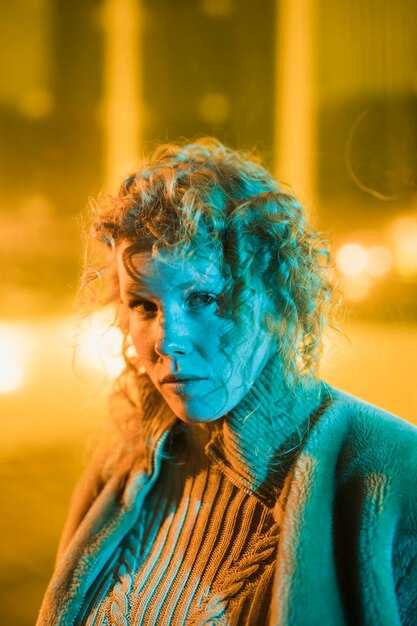 Photo-Real Characters – A Different Approach to Realistic Character Design" >

Recommendation: Run a quick set of three rapid renders with neutral textures and flat lighting to test believability before adding detail. This gives you immediate feedback on proportions, eye motion, and micro-expressions, getting you faster iterations.
When building a believable avatar system, anchor from modular anatomy and live references. Use a somewhat restrained approach so the look remains coherent from close-ups to distant shots. Emphasize grizzled textures for aged subjects, the artificialness of skin shaders, and an ancient patina on machinery to hint at backstory. The goal is to avoid the feel of a purely synthetic output; instead it should resemble a real being, perhaps an android with human cues. If a subject seemed stiff, tweak micro-expressions; if it looks too polished, introduce subtle pores and hair variation.
Profile and project notes matter: study posts from studios that blend live references with synthetic imagery. By comparing with idols and diverse faces, including women, you learn what lighting, pose, and texture combinations read as attractive without crossing into caricature. This is where the doki moment–those tiny heartbeat cues–helps sell presence. Here, the presence finally comes across as believable and engaging.
heres a compact, repeatable workflow you can apply: lock primary proportions with 2–3 reference sheets, run a quick render to verify lighting, refine skin roughness and subsurface scattering to reduce artificialness, then test across devices and color spaces. weve seen that subtle pore maps, hair randomness, and micro-shadowing on eyelids lift the presence without slipping into uncanny valley. If you cant achieve perfect tone balance, this doesnt require full photorealism; adjust gamma and color grading in post, then validate with a small panel of observers to avoid overfitting to a single monitor.
Info Article Plan
Recommendation: Start with a rapid mapping of target personas and scene goals, then validate with a front view and a mirror check here to confirm symmetry and presence before expanding sketches.
The plan focuses on several archetypes: a diva figure, several species with unique anatomy, and giant idols from popular culture. The hand and front consistency rules are documented, with mirror checks to ensure symmetry. here, this happened after teams tested with humans and non-human forms, giving direction for the next steps. You map type variants and determine how edges blend with shading. The quick wins include validating proportions in picture frames, observing others, and noting where a lack of contrast between skin and fabric occurs.
Use a simple metric kit: silhouette consistency, texture fidelity, pose readability, and tone balance. most of the evaluation should be done with side-by-side picture comparisons, while youll rotate the subject up-side-down to test gravity cues. diana and doki are fictional test figures added to verify that mapping holds under varied lighting. These tests reveal edges and shading gaps, enabling quick corrections before publication. This method helps designers feel where the emotion lands and feels coherent to readers. This method is made to be modular and scalable.
Implementation steps: run a two-hour sprint per persona group, record a quick feedback loop, and make a master picture sheet. Use a ‘type’ tagging system and maintain a master mapping to keep language consistent across teams. Getting iterative improvements, you should add mirror checks and edge-inspection notes before moving to the next stage, making the results better and reusable.
Techniques for Photo-Real Character Modeling
Start with the latest quad-based topology to ensure a clean base for an avatar. Keep edge loops straight around critical zones to hold form under lighting, and route the topology inside and outside to support natural deformation. Unwrap UVs on a single atlas with minimal distortion, then bake normal, displacement, and ambient occlusion maps. Then performing a second pass to refine high-frequency details and ensure textures reproduced against reference, so the actual surface reads as believable in close-up frames.
Texture work should lean on PBR shaders with layered skin subsurface scattering, micro-detail maps, and color textures. Use color and roughness maps to control artificialness while preserving realism. Although you want fidelity, what matters most is aligning pore patterns and vascular hints with the underlying geometry, not over-baking a single texture set. If you wanted to dial back stylization, reduce micro-details and rely more on shading; otherwise, keep inside the contour lines but let the outer skin catch light naturally.
Lighting, rendering, and post produce the final polish. Use HDRI for natural illumination, set a consistent white point, and create light groups to hold the silhouette straight under different angles. Render passes should include albedo, metallic, roughness, normal, and SSS, then mix in compositing filters. For the diva skin appearances, a diva shader can produce dramatic texture without losing whole coherence.
In practice, study examples from lauren and nava; their posts show how to balance performance and texture fidelity. Use a title frame to introduce the asset in your portfolio, and note fwiw insights: keep the resolution and texture sheet sizes reasonable, and only bake maps that matter for the final shot. The goal is to give viewers a convincing, actual experience, with least noise and most stability, even when the subject is shown at close range. If you methodically compare what you render against reference shots, you’ll improve faster than guessing.
Character Scanning, Texturing, and Mocap Pipeline Best Practices
Start with a quick, straight scanning loop inside your studio: capture dense geometry, then mapping textures onto the model with clean UVs, and proceed to mocap retargeting after you clean the data; this makes renders consistent and successful.
Scanning and geometry capture:
- Define density targets: full-body meshes around 2–3 million triangles; facial detail can stretch to 0.5–1 million; adjust per asset to avoid unwieldy edges and long bake times, and to keep renders predictable.
- Choose capture method: structured-light when speed matters, or multi-view stereo for ultra-dense detail; include color capture and reflectance data so textures read correctly in mapping; incorporate a nava preset for color calibration to reduce drift between sessions.
- Coverage and calibration: choreograph the space so there are no holes; keep there a stable baseline; control lighting inside the scene; place markers or use markerless tracking; ensure partial occlusions are minimized and joints are well covered.
- Post-processing and cleaning: remove noise, align scans, and fill holes with careful hand edits; keep the workflow organized to avoid a mess in later steps; clearly document changes for the team.
Texturing and mapping:
- UV mapping and island layout: pack islands for minimal distortion; align seams to natural contours to reduce visible lines in renders.
- Texture painting: combine photo references with hand edits; use drawing workflows for fine edges; paint shading and pores on top of base albedo; map those details with careful mapping.
- Texture maps: base color (albedo/diffuse), normal, roughness, metallic, ambient occlusion; bake maps from the high-res subject; ensure color spaces are correct to prevent fake color shifts.
- Quality checks: verify textures across poses; test with quick renders to catch issues before full-shot cycles; keep track of comments from the team to know what to adjust.
- Optimization: compress maps for target platforms and maintain detail using mip levels and atlas packing; ensure that you partially share textures across LODs to save memory and speed up renders.
- Fine detailing: hand-paint subtle pores, fabric weave, and micro-roughness to avoid flat shading; drawing-based touches help the texture feel alive even when lighting shifts.
Mocap integration and motion workflow:
- Rig and skeleton alignment: ensure the motion rig aligns with your base model; define a standard role for each joint; calibrate root motion for consistent space orientation; avoid pops by constraining extreme joint angles.
- Retargeting and motion fidelity: use a robust retargeting approach; preserve finger and toe motion for close-ups; handle humans and other actors, including women, with appropriate scaling and pose constraints to keep motion natural.
- Data cleanup: apply filters to reduce jitter; remove spikes; set thresholds to avoid removing important micro-movements; fill gaps with interpolation when needed without overdoing it.
- Preview and iteration: run quick previews in your engine; check loops and transitions; keep the pipeline fast enough for running tests that inform gear choices and lighting setups.
- Documentation and collaboration: track comments from animators and lighting; create a readme that explains pipeline steps; keep nava metadata to identify asset origins and maintain a change log so thats easy to follow for anyone reading the notes.
Validation, asset management, and cross-team coordination:
- Asset versioning and metadata: assign unique IDs to scans, textures, and mocap sessions; tag sources like nava; store mapping information so you know exactly what was used in rendering.
- Quality gates: validate geometry, textures, and motion in a few quick renders before committing to the final shot; verify that covers all required angles and lighting conditions.
- Storage and accessibility: centralize assets with clear folder structures; use consistent naming to avoid confusion; provide comments and read access for team members and kids who may review the previews for safe content checks.
- Test runs and iteration cadence: schedule weekly runs to refine shading and motion together; after each cycle, read the notes from the team to keep the workflow aligned with the creative brief.
Balancing Realism with Playability in Character Design
Begin with a crisp silhouette to keep readability; throughout development, teams have been testing ways to layer realism without sacrificing playability. The hand poses should be simple yet expressive; avoid complex finger articulation if it risks confusion in small viewports. We agree on a baseline and reuse it across objects and outfits. If asked for a quick win, start with the silhouette. This approach is considered reliable.
Use inverted lighting to emphasize form while preserving clarity; avoid over-rendered textures that obscure lines. Treat the sclera area as a readable signal that conveys emotion even when mood shifts; this practical rule helps maintain realism without sacrificing animation readability.
Study a second book on anatomy and motion to inform surface choices. Posts by industry artists show that minimal texturing supports consistency; more detail is better for stills but can slow rigs. For diva moments, keep the core silhouette intact; shading can read as surface cover rather than full geometry. These steps were made to keep creation faster and environments easier to render. Apply the same rules again when launching new skins for various characters.
Color and texture strategy: apply color blocks to define materials and maintain contrast in low light. Use partially textured areas to signal material while keeping most surfaces flat; this keeps reads at distance and in motion easier. If you must reveal more detail, do it in a single pass and avoid competing elements in the same area. The form should read itself from every angle.
Lighting, shadows, and camera plans should leverage practical cues from Blumhouse-style setups; keep shadows brutal enough to read depth but soft enough not to blur edges. This balance supports every frame of play and actual mood in scenes. The same logic extends to characters, ensuring readability across outfits and poses. rides with the camera axes should remain coherent so players recognize the figure instantly.
Test with mirror checks: rotate the model, view from multiple angles, and compare against a mirrored version; if mismatches appear, adjust the inverted silhouette and tweak edge flow. This avoids hidden defects that would hinder playability when a level loads. The goal is a design that reads clearly in engine previews and covers the essential silhouette at every scale.
Actual production practice favors a secret rule: keep realism within a defined area of detail and rely on animation and lighting for depth. This approach keeps the workload manageable; it’s easier to ship updates when you anchor visuals to a single look across all assets. The result is still atmospheric and faithful to the core idea; fwiw many teams reap faster iteration cycles.
Ethics and Cultural Context in Repatriation-Themed Heist Games
Form a cross-cultural ethics panel before development, and log decisions in a public blog to ensure accountability. weve included voices like lisa and christine early, because diverse input prevents later backlash. The doki platform can host surveys, and the area around cultural context should be accessible for resident scholars and local communities. youre here to translate complex histories into interactive experiences without reducing communities to props.
Public records show that dozens of institutions have signed repatriation agreements over the past decade, underscoring a shift toward restitution-centered collaboration. This trend highlights the need for transparent provenance checks, clear licensing terms, and ongoing dialogue with source communities. actual practices vary by region, but consistent threads emerge: consent-driven storytelling, non-extractive presentation, and visible acknowledgement of partners. whats gained is trust, not just a louder thrill.
First-person narration can illuminate accountability without glamorizing theft. When players encounter artifacts, provide contextual notes from local experts, include warnings where needed, and offer alternative endings that emphasize restitution. It’s helpful to separate loot-focused moments from denouements that celebrate collaboration, so audiences aren’t left with a single, sensational takeaway. maybe the strongest framing arises when players see restitution as a shared achievement rather than a solo score.
To keep the experience respectful, treat visuals and artifacts with care. Do not rely on eye-catching cues like sclera exaggerations or caricatured features to signal difference; instead, consult curators about authentic representations. You can model art assets that reflect real custodianship practices and avoid stereotyping. back-office notes should document why certain portrayals were chosen, which helps when browsing archives or replying to questions from readers. this approach makes the project more approachable for readers who just want quick, reliable context rather than glossy misinterpretations.
Where sponsorship intersects with storytelling, establish clear guardrails: sponsor contributions should not dictate narrative choices, and all sponsorship terms must be visible in public updates. If a sponsor requests shortcuts, push back with documented rationale and alternative paths. the balance between funding and integrity is delicate, but transparency reduces risk and protects communities. for readers and participants, post-release reflections can reveal how decisions evolved, reinforcing accountability rather than obscuring motives.
|
Area |
Risk |
Recommended Actions |
Metrics |
|---|---|---|---|
|
Provenance |
Unverified origins can mislead players. |
Implement provenance checks; require source-community sign-off on depicted items. |
Proportion of assets with documented provenance; number of sign-offs collected. |
|
Narrative Framing |
Loot-centric framing may normalize theft. |
Frame restitution as collaboration; add disclaimers and contextual notes; include local-language signage. |
Player feedback scores on messaging; presence of content warnings. |
|
Community Engagement |
Community voices underrepresented in design decisions. |
Form a broad panel including elders, curators, and youth; publish decision logs in the blog. |
Number of community contributors; diversity index of contributors. |
|
Visual Representation |
Caricatured cues or stereotypes. |
Consult visual culture experts; avoid sensational eye cues; depict artifacts with accurate context. |
Audit results on depiction accuracy; number of visual iterations with expert input. |
|
Transparency and Sponsorship |
Sponsor influence or opaque update cycles. |
Public updates; independent oversight; clear disclosure of funding sources. |
Update frequency; number of independent reviews; public perception indicators. |
NPC AI, Behavior Realism, and Player Perception

Recommendation: Make the visible behavior quick and consistent in a well-lit scene; youre able to read motive from a few deliberate cues, and the answer becomes clear to those who observe closely.
Ground behavior in tested heuristics over days of playtesting. The thing that matters is predictability; track what players perceived as coherent behavior by measuring reaction times, line-of-sight choices, and how often NPCs take covers when danger approaches. Those results show which routine patterns are considered trustworthy and which gaps break immersion, shaping perception.
Structure NPC action with modular blocks: sensing, decision, action. This reduces artificialness by ensuring responses align with current context. In a well-defined street near a fountain, a hacker-type agent might prefer to stay in cover, then switch to a direct approach when a line is open; those variations exist because the context constrains the line of action.
Apply formal architectures such as behavior trees or utility AI to make the decision process explicit. For most tasks, keep rules straight and explainable; avoid hidden loops. This helps players know why an action occurred, improving perception of quality and trust. This creates a thread of consistent actions across scenarios. In making decisions, these rules stay transparent.
Measure perception against expectations: if a NPC nudges to stand at a corner, ensure that this aligns with the current goal. Provide immediate feedback through motion, not through text walls; the viewer should feel the situation is survivable, not scripted. This reduces artificialness and makes the scene feel earned.
For visuals and context, use photo references and staged shots to calibrate behavior in different lighting. You can compare a target shot in a well-lit alley vs shadows; capture how players looked at scene detail and whether the behavior still holds. Most quality scenes align with the audience’s mental model of how a real-world space functions.
Publishers and series teams compile results in a book and in developer notebooks; content may be shared on youtube to illustrate tuning outcomes. Those insights inform quality expectations and guide future releases, you know.