
 Português
  English (UK)
  Deutsch
  Français
  Русский
  Türkçe
  Polski
  Українська
  Italiano
  Español
  العربية
  日本語
日本語  简体中文
简体中文  한국어
한국어  Čeština
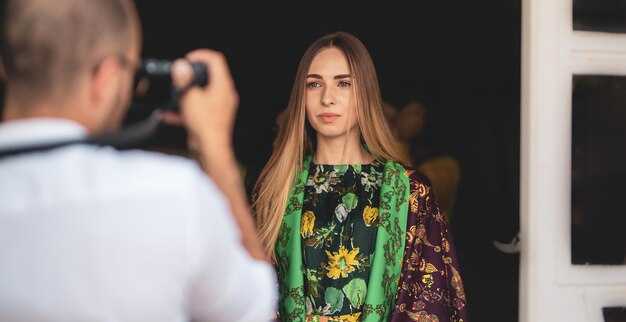 Behind the Scenes of a Lifestyle Commercial Photo Shoot – Insider Tips for Stunning Results" >

Begin with a crisp creative brief and a compact set of test frames to anchor look, then assign responsibilities so everyone moves with one visual direction across photos and production tasks.
For planning, map a clear visual language using photographic cues. Use prodoto to search mood references and compositional ideas, then present a shortlist of looks youd like to invoke during session. This alignment helps teammates lock color, texture, and rhythm across scenes without drift.
Technical discipline matters; define lighting plan, camera workflow, and on-set safety. Outline gear range (full-frame vs. medium format), shutter speeds for motion, and color workflow. Run a quick test shoot with a subset of talent and wardrobe to validate look, ensure director notes translate into photographic outputs, and confirm look across backdrops and props.
Coordinate with agency and directors to shape story; if founder of brand or agency frames concept, keep them in loop via single contact point. For international campaigns, set time zones, cadence, and search cycles to avoid delays.
During post, maintain photographic fidelity by color grading for a consistent visual language. Build a minimal set of photos assets that can scale across social, press, and retail lookbooks, while preserving authentic lifestyle feel and brand voice. If youd like, share johäll notes and input from international partners to tighten feedback.
Pre-shoot Checklist: Location, Wardrobe, and Talent Coordination
Lock a primary location two weeks ahead; appoint patrik from international agency as single contact to coordinate talent, wardrobe, and props.
Location scouting checklist: daylight access, electrical capacity, parking zones, loading ramps, and quiet corners for moments that require focus; secure permit if needed; have an indoor backup option ready.
Wardrobe plan: color palette aligned with brands, fabric care, size charts, quick-change options, garment bags, lint rollers, and steamer; request swatches two days ahead; log loan items, return dates, and replacement options.
Talent coordination: finalize models and actors; include alternates; provide contact sheet with headshots, sizes, language needs, and availability; schedule warmups on set; keep patrik as on-set liaison with directors, agencies, and photographers; johäll stylist on standby for touch-ups between takes.
Deliverables include photos, lookbooks, and final selects; ensure look, photographic, and visual quality meets standards; define file naming, metadata, and lifecycle archiving; share with brands and international agencies; prodoto tagging applied to assets to simplify cataloging.
On-set touchpoints: assign one contact to handle directors, photographers, and talent; use a shared drive so information stays in sync; youd review moments and lookups on mobile; this approach keeps work moving smoothly, reducing redos.
| Element | Details |
|---|---|
| Location | Primary site with daylight, power, parking; load-in access; backup indoor option; cars if needed; permit status. |
| Wardrobe | Palette aligned with brands; swatches; sizes; quick-change gear; care kit; loan items tracked by patrik. |
| Talent | List participants, alternates; headshots; sizes; availability; call times; warmups; on-set liaison johäll. |
| Equipment / Technical | Camera bodies, lenses, lighting kit, reflectors, power backups; memory cards; on-site tech support; backups for critical gear. |
| Timeline | 9:00-12:00 setup; 12:00-13:00 wardrobe fittings; 13:00-18:00 shooting blocks; breaks; milestones aligned with directors and photographers; schedule on shared drive. |
| Deliverables | Photos, lookbooks, final selects; file naming, metadata; archiving; share with brands, international agencies; prodoto tagging. |
Lighting on a Lifestyle Set: Natural Daylight vs. Artificial Fill
Base lighting on daylight as anchor; place subject by a large window with unobstructed sky, 45-degree angle to camera, sculpting cheekbones and eye area; soften with a 4×6 ft diffusion panel or white scrim; supplement with reflector at 30 inches to bounce fill into shadow side.
Artificial fill: keep fill lighter than sunlit side by 1/2 to 1 stop; use LED panel or compact strobe at 45-60 degrees, with diffusion to avoid hard speculars; if daylight shifts cool, deploy CTO gels to balance skin tones; color consistency across frames requires careful management.
Setup checklist
Technique specifics: measure with handheld meter, target a 2:1 ratio toward shadow; white balance around 5600K when windows bright; as daylight fades, adjust fill to 1 stop under key to preserve definition; tungsten windows require a 3200K setting.
Directors expect touch that preserves moments; lifeonly approach yields natural look on photographic set; this look travels international agency circuits; founder Patrik Rockenfeller of johäll brands can be contacted through team; youd connect to align on lighting scope and visual direction, like many global campaigns.
Locking lighting decisions early reduces back-and-forth on set; keep a quick test plan at hand: five-minute check with color card; verify skin tones on monitor; adjust white balance and diffusion until you achieve consistency across frames.
Directing for Authentic Moments: Prompting Techniques and Communication
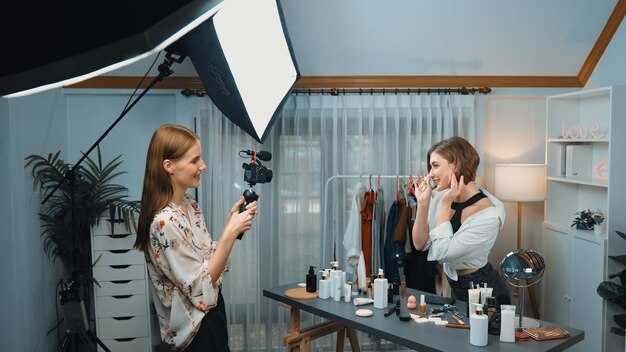
Recommendation: Begin with a 60–90 second briefing that centers on authentic connection in everyday interactions. Provide talent with a concise set of prompts and a language guide to keep responses natural across locations. Ground this in lifeonly philosophy and prodoto language; align with agency standards and international brands. Maintain contact channels clear between professional photographers, directors, and brand reps, and reference rockenfeller and johäll approaches to tone when needed.
-
Prompting ladder
- Intent prompts: “Show connection,” “share a moment of ease,” “trust in partnership.”
- Action prompts: “Gesture softly, glance at partner, begin telling a small story.”
- Texture prompts: “Let shoulders relax, fingers hover over a prop, breathing smooth.”
-
Language, tone, tempo
- Provide brief phrases in a calm voice: “Tell me what just happened,” “Describe that sensation.” Avoid long scripts; keep natural cadence.
- Offer variation sets that map to different personalities and markets (international, urban, family, wellness).
-
Non-verbal cues and micro-moments
- Encourage micro-interactions: light touch on elbow, shared smile, eye contact that lingers a beat longer.
- Use natural movement arcs: sit, stand, lean, reach for a prop, then release.
-
Crew collaboration and feedback loop
- Directors coordinate with photographers, assistants, and stylist; keep contact with agency reps; document adjustments after each location.
- Involve founder input when scope shifts; reference rockenfeller and johäll benchmarks to align aesthetic across markets.
-
Prompt bank: ready-made language in photos
- Neutral mood: “Look toward partner; listen; respond with small, genuine reaction.”
- Affectionate tone: “Rest hand on shoulder; exhale softly; share a short memory.”
- Playful energy: “Pretend you just discovered something amusing; react with a light surprise.”
- Reflective note: “Describe a sensory detail from last week; let vibe come through.”
-
- Frame intention before each location; pre-define a single look that stays consistent across photos for lifeonly consistency.
- Count on natural cues from talent rather than scripted lines; allow breathing room between prompts.
- Use prop handling to create spontaneous moments without breaking focus on connection.
On-Set Workflow: Time Management, Shot List, and Crew Roles
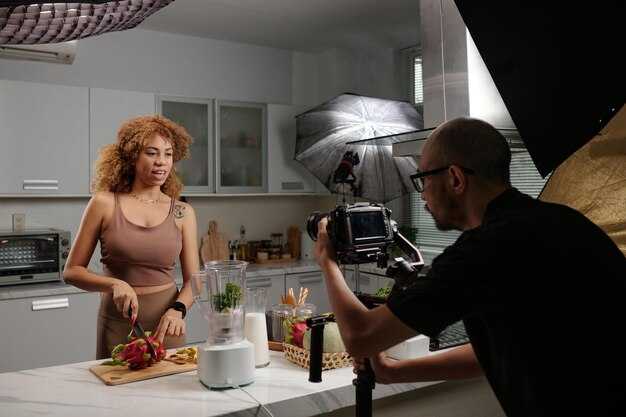
Recommendation: Start with 60–90 minute blocks for each mood, then trim noncritical takes to preserve momentum. Build a compact master shot list tied to brands international briefs: map every frame to a specific look, moment, and visual language, and store it in prodoto so youd can search efficiently. Add lifeonly constraints as guardrails, and apply rockenfeller-level discipline. Have patrik review list early and keep contact details for key figures in one folder. Track cars and other prop elements alongside lighting cues to keep moments cohesive and intentional.
Time management structure: Create a day plan with three macro blocks: pre-light/setup, main sequences, and wrap. For each block, assign a lead (DP, director, or producer) and include a 15–20 minute buffer for adjustments. Use a visible clock on set and a quick, multilingual call sheet so decisions happen fast. Align with international crews by maintaining universal visual language; this helps photographers and other creatives interpret instructions without friction, and supports more consistent outcomes. When a location involves cars, assemble a stand-in for driver to lock frames early and avoid delays during lighting transitions.
Shot list approach: Break into must-have, nice-to-have, and contingency cards; label each item with subject, look, and intended moment. Use keywords like cars, moments, and visual language to speed search by whole crew. Keep look consistent across brands; sequence should read as cohesive storyline, not string of disconnected moments. Photographers and other creatives should keep a 3–4 tone look sheet; this simplifies search for right vibe when reviewing frames with directors and editors. Include notes on production value and composition for prodoto to guide on-site decisions, and reference johäll for styling cues as needed.
Crew roles and coordination: Director guides creative arc; DP handles lighting and camera, while producer coordinates schedule and budget. A dedicated assistant crew supports equipment, safety, and data flow. A prop master and car wrangler maintain consistency of gear and drive-through scenes; a makeup/hair team preserves continuity; a digital tech backs up media on location. For international shoots, appoint a single contact who speaks shared language of set and keeps notes for guests. patrik and other directors review dailies, while photographers capture frames in sequence that reads with a unified visual language across brands. Include johäll in briefings for styling or technical input as needed.
Post-Production: Color, Skin Tone Consistency, and Retouching for Lifestyle Credibility
Lock a single color language early; define target white balance, color space, and tonal range for all materials; calibrate monitors with a reference patch; capture RAW and preserve a consistent exposure ladder to keep skin and materials in line across moments.
Something like this approach brings more stability across a creative workflow, ensuring photographers across an international network and agency rosters can deliver coherent imagery. The rockenfeller-inspired method used by johäll founder Patrik emphasizes visual truth that brands rely on for lifeonly campaigns and car scenes alike, and the result translates to authentic photos that clients search for.
Color workflow musts
Establish a three-node color grade: shadows for subtle cool or warm shift, midtones for global mood, highlights to recover skin integrity. Use sample reference frames to keep skin hue stable; aim for skin delta E under 3 across all frames in a scene; test across at least three lighting conditions. Apply a neutral LUT per brand; maintain a master grade in the prodoto library that can be tweaked for each session without altering the core look. For on-road moments with cars and lifestyle props, ensure the reference look holds in both daylight and artificial lighting by checking a few key frames that show skin, fabric, and sky.
Skin tone and retouching strategy
Keep skin tones natural by isolating skin in the editing step: use a precise mask and frequency separation with a low radius to preserve micro texture; avoid over-smoothing; use a gentle dodge/burn to add dimension along cheekbones and jawline without exaggeration. Normalize skin tones across scenes with a targeted Hue/Saturation/Luminance adjustments: keep skin hue within the natural range; adjust Luma to maintain facial contrast while retaining detail in the highlights. Validate with references from the lifeonly pool and check at multiple sizes, from mobile to large panel. Use subtle noise reduction on flat areas but leave micro detail in pores and hair strands. Maintain color continuity for different brands by applying a consistent baseline, and then fine-tune per scene while preserving the original mood.