
 Português
  English (UK)
  Deutsch
  Français
  Русский
  Türkçe
  Polski
  Українська
  Italiano
  Español
  العربية
  日本語
日本語  简体中文
简体中文  한국어
한국어  Čeština
 Working with Models – Tips from a Model-Turned Photographer" >

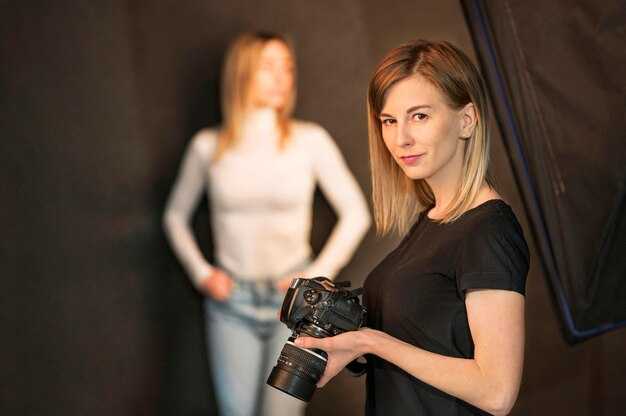
Begin each session by establishing a clear number of poses: three to five frames per look, then adjust based on expression and feedback. There are no universal rules, yet a compact storyboard anchors flow and speeds up delivery. In this approach, picture by picture, you gain a calmer pace and a reliable routine that works across models and creatives.
For the basics, map out the look: make-up, hair, wardrobe, and how each choice steers body language. Monitor temperature of the lighting, shifting from cool white to warm amber to keep natural skin tones. Pack a compact kit: reflector, bounce card, and colour-check cards to verify colours on set.
In posing, emphasis lies on expression rather than perfection. Guide hands, jawline, and shoulder angle; avoid stiff posture. The thing is to invite a relaxed flow across backgrounds–plain walls, textured backdrops, or street scenes; explore how different textures interact with natural light, though the model’s comfort remains paramount.
Experiment with a number of micro-routines to build flow across frames. There, a few go-to expressions–soft smile, bold gaze, distant thought–cover many moods. Encourage the model to explore body language, breathing, and tempo; colours in wardrobe and make-up interact against the backdrop to amplify mood. In practice, a single shot can serve multiple purposes, and the same set yields many usable picture by changing pose and angle.
there are many subtle differences in each picture you finish; attention to angle and mood makes every frame distinct.
7 Hold a pre-production meeting
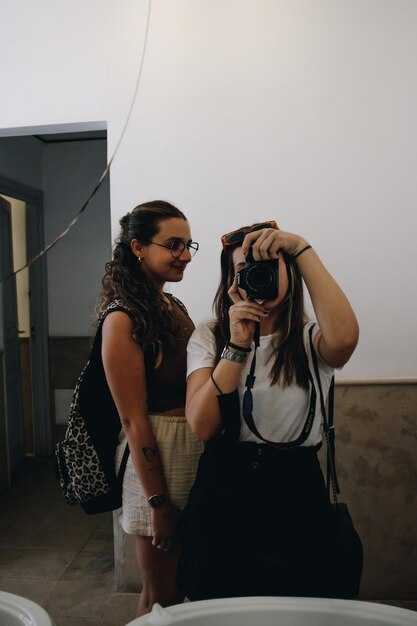
Set a fixed objective for the session and confirm motion direction at once. Define what you want to capture, whether a narrative shot or a series of VFX plates, and keep the plan focused on outcomes.
Invite the right participants: director, talent, makeup artist, wardrobe lead, camera operator, gaffer, sound engineer, and production support. State each person’s responsibility so decisions move fast.
Assign responsibilities: location scout handles venue access; audition organizer lines up talent; safety supervisor monitors cables and hazards; equipment manager lists gear.
Walk through location specifics: background options, ceiling height, light angles, power availability, and quiet zones. Decide where youll shoot for consistency and what background becomes the focal point.
Wardrobe and makeup notes: color palettes that harmonize with the background; avoid clashes, and ensure eyes read clearly on camera.
Schedule and rehearsal plan: block times, countdown, and exact shot order so motion stays coherent; mark the position of each talent.
Safety and contingencies: weather, power glitches, cable hazards, and a back-up plan for inside or exterior settings. Every potential disruption becomes a learning moment and revelation for later shoots.
Documentation: keep a running log, assign owners, set deadlines, keeping everyone aligned. youll watch changes, confirm eyes on the target, and track a final position for each shot.
Clarify the shoot concept, mood, and reference materials
Draft a one-page brief that clearly states the concept, mood, and key reference visuals. Include three concrete shot targets: a close-up of faces, makeup visible, a mid-shot showing hair and wardrobe, and a wide picture that shows setting and shadow play.
- Concept and mood: Pin a single sentence that captures the story, tone, and intended feeling for the audience. Specify whether the aim is personal storytelling, a looking moment, or a commercial moment; define the looking direction and, as said by the client, ensure alignment. Note the last months of experiments and what changed since then; keep the focus on authenticity and restraint. Always anchor decisions to that core sentence.
- Reference materials: Collect current photo references, a personal photo log, and a small tutorial that explains lighting and posing. Create a folder containing images for faces, hair, and makeup directions; label each item by mood and lighting style. Include notes that there are many options, but pick a few defining looks to avoid confusion. There is no need to worry about quantity; quality matters. While reviewing, note which elements read strongest.
- Look and makeup plan: Outline the makeup palette for female talents, hair textures, and wardrobe choices. Write down exact product ideas and how they translate to the set; include makeup steps that can be executed in an hour between looks. Plan for changing looks across months of testing; ensure every detail supports the concept.
- Gear and shot setup: Decide on lenses for each frame: portraits 85mm, environmental 24-70mm; test a wider 35mm for establishing shots. Note current lighting options, shadow, and color temperature. Prepare a simple shot list matching every picture idea to a lens and camera setting; this reduces worry on set and speeds decisions.
- Process and validation: Build a quick study routine: review test frames on site, compare them to reference materials; when compared, adjust. Schedule a daily review hour; use clear criteria for perfection but accept iteration. Track progress in a shared document and repeat the basics to build skills; keep the personal feeling intact as you compare looks and wipe out minor discrepancies. Schedule reviews every few days to keep alignment while staying true to the core concept.
Assign roles and decision-making authority
Designate a single decision-maker to direct pose choices, clothing selections, and lighting tweaks per session, with authority to approve or veto ideas on the spot.
Create an authority map that defines who provides guidance and who can expose feedback to those on set, and who takes the final take on edits; schedule regular check-ins to prevent drift.
Assign environment roles: a lighting lead controls temperature and flare, a wardrobe lead handles clothing and fit, and a comfort monitor watches the body and pose to maintain natural balance.
Implement a quick decision log and same-day notes: capture decisions, share things via a single thread, and lockdown changes when a shot is locked.
Use short, regular warmups or games to relax those shoulders, test bouncing light with large reflectors, and expose a range of angles to reveal natural beauty.
During post, assign who takes the take and who handles photoshop edits; share final selects, export in standard adobe formats, and ensure the same-day delivery if requested; ensure those photographed look cohesive and true to guidance.
Lock in a practical schedule and production timeline
Set a four-week calendar: three shoot days, two prep days, one review day weekly. Each shoot block runs six hours; prep blocks total three hours; a one-hour review follows.
Assign heads, lock prime cameras on site, and schedule a female subject for early tests to lock lighting, makeup, and wardrobe.
Build a simple take list: 12 frames per session – 4 wide, 6 mid, 2 tight. Colours lean warm; limit wardrobe changes to eight looks and keep a narrow palette to avoid drift. tina suggests that a shorter course yields clearer direction.
The источник of inspiration sits on a corkboard in the prep room. That idea guides color choices and blocking on day one.
Limit distractions by silencing alerts and designating a single workspace for notes. If an excuse pops up, acknowledge it and return to the plan, protecting yourself from drifting.
Distance between subject and lens should stay within 1.5–2.5 m for most takes; keep the course focused on lighting, rhythm, and framing; adjust to location constraints without extra noise. If a shot doesnt deliver, swap to an alternative angle.
Post wrap: allocate 60 minutes per take to review, tag selects, and deliver a first set of pictures within 72 hours. Reserve an extra day for colour grading or client approvals.
By weekend end, add an extra buffer day every second week to cover weather, transport, or gear issues. wimmerlin emphasizes the benefit of a steady rhythm for reliability and growth. Besides, this approach keeps your energy high and your schedule predictable.
The revelation here is simple: a fixed tempo produces great pictures, keeps yourself sharp, and makes the industry take you seriously.
Confirm releases, usage rights, and model agreements
Secure signed releases before any session, locking scope, duration, and territory for all images in writing.
A release should clearly identify the person, confirm consent to present images in defined contexts, and set limits on exposure. Include shots in key angles–head, front, arms–and specify whether video, stills, or composites are covered. Attach a reference to past work to guide expectations.
For Tina and others, list personal details, contact information, and a line for ongoing consent. Establish who may access the material, where to show inside portfolios, and whether free usage applies to select platforms. Set a limit on duration and territory; avoid strip rights beyond signed terms and prevent exposure beyond the whole set. A clear, fast review creates a great connection; maintain a steady temperature in negotiations to avoid pressure.
| Item | Details | Notas |
|---|---|---|
| Release scope | Portfolio, editorial, commercial; duration; territory | Limit based on signed terms |
| Subject data | Name, age (as required), contact, guardian (if minor) | Personal data restricted to necessity |
| Media coverage | Images, video; angles: head, front, arms; behind-the-scenes if allowed | Reference past work to set tone |
| Usage rights | Showcase channels; promos; sublicensing if allowed | Platforms and publication contexts defined |
| Derivatives | Alterations, composites, edits | Consent needed for new formats; avoid strip of rights |
Prepare wardrobe, makeup, lighting, and shot list alignment
Plan wardrobe around the shoot mood and locations. Sort garments by color family and silhouette, labeling items for each scene. For every look, include a main piece and an alternate to cover angles and distances. Gather past reference images, then build an offline mood board to leave room for live adjustments on set. If possible, review courses on color, lighting, and posing.
Makeup plan should stay cohesive across lighting options. Choose foundation depth, contour, and powder to prevent shine; particularly note texture on skin in image. Use a matte finish for key scenes and a soft glow for motion takes. Test on a wall to check how image reads under softboxes.
Lighting strategy relies on reliable angles and practical tools. Set three-point style or key-light at 30–45 degrees relative to camera, add a fill to minimize harsh shadow, and place a backlight for separation. Deploy softboxes for soft, even coverage; tweak exposure to avoid clipped highlights.
Align shot list to wardrobe and makeup so each image serves a clear plan. Define targets: full figure, mid shot, close detail; label each frame with intended angles, motion cues, and whether the subject should smile, look away, or maintain a calm expression. Notes on taken items and between-scene transitions; keep an offline record to guide the shooting and speed up decisions.
Conclude with a practical checklist delivered to everybody on set; leave room for on-site adjustments while preserving the plan. For commercial work, maintain consistency across angles, wardrobe, makeup, and light. After each take, mark taken angles, update the plan, and review the image results against the plan; this routine keeps shooting efficient and cohesive.