
 Русский
  English (UK)
  Deutsch
  Français
  Türkçe
  Polski
  Українська
  Italiano
  Português
  Español
  العربية
  日本語
日本語  简体中文
简体中文  한국어
한국어  Čeština
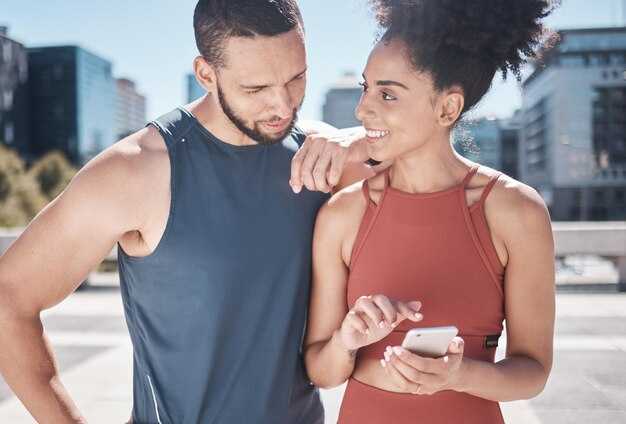 Real Athletes, Not Actors – Fitness Brands’ Authentic Endorsements" >

Recommendation: Partner with proven sports pros who wear the gear in actual training and competition, not performers hired for a smile. This base approach yields higher marketability and deeper trust over celebrity-approved narratives, because the audience can see performance signals during a workout.
Data points: Industry news and base information show campaigns anchored by verified pros deliver tangible impact: roughly 22% to 28% higher ad recall and 15% to 25% more product inquiries, while overall market value rises as searches and buzz grow. This comes from multi-platform studies that track actual purchase intent, not generic ad tests.
Platform dynamics: On short-form channels, authenticity matters. In this era, tiktok data indicates campaigns featuring demonstrable skill and genuine routines outperform glossy, staged spots in buzz and view-through. A team-focused approach seems to perform best, as audiences say it seems more credible.
Practical advice: Prioritize gear that looks worn but durable, and ensure it feels comfortable during dynamic movement. Avoid slouchy silhouettes that hide form. A single piece demonstrated in an actual workout can convey fit and performance more clearly than a studio shot. Pair practical captions with advice about care, sizing, and wash cycles to help shoppers judge utility.
Takeaways: Build the base of your narrative on proven performance and accessible information. Use news and data to prove impact on market metrics and marketability. Avoid over-polished celebrity imagery; let genuine pros show durability, fit, and comfort. This approach seems credible to fans and might attract new customers. Always verify claims with independent tests. Brands like popflex illustrate how genuine test sessions can ignite buzz and trust.
Practical guidance on authentic athlete-brand partnerships and safeguarding online presence
Implement a 6-week pilot: select two athletes whose audiences align with your base, define three posts and two stories, and require explicit disclosures in every piece. Collect information on performance and set targets for reach, saves, and traffic to campaign pages. If targets are met, extend the collaboration to longer cycles and add assets, especially when comfortable with the messaging.
Choose formats that feel natural: training clips, travel diaries, and competition prep that mirror genuine routines. Preserve a consistent image and tone with your brand values, avoiding hype-driven language. The content should show the activities and routines of the athletes, with captions that clearly flag sponsorships. Use celebrity-approved framing only when the match is obvious and the audience overlap is strong.
Safeguard online presence with a security plan: enable two-factor authentication, use unique passwords, and limit account access. Maintain a single official Instagram handle for the partnership and store approved images and captions in a shared library. Establish a clear boundary between personal posting and sponsored content so there’s no confusion about activity; theres always risk of missteps online, so have pre-approved messaging templates and moderation rules.
Measure outcomes with concrete metrics: marketability, buzz around the collaboration, engagement rate, saves, and click-throughs. Collect information from comments, DMs, and quick surveys, and run a study after each cycle to compare with baseline. Tie learnings to future content like behind-the-scenes clips from games and campus events to improve impact.
Draft a concise agreement that defines rights to produced content, duration, territories, and usage windows. Between brand and athlete, theres a need for a clear process on crisis messaging, approvals, and liability, plus a defined path to pause campaigns if guidelines are breached. Include a plan for post-campaign review and rights-to-use for evergreen assets.
Case sketches: adanola could coordinate with a college tourism initiative to highlight campus activities and nearby attractions, reinforcing tourism-friendly content tied to sports events. bella might lead a college-league partnership that blends campus games with sponsor-supported experiences, boosting marketability across youth audiences while keeping content authentic and contextually relevant.
Operational checklist for ongoing programs: ensure audience alignment, lock in deliverables, confirm disclosures, enforce account security, monitor data and sentiment, maintain a clear line between personal and sponsored activity, and keep a rolling calendar of permissions and approvals. Always update based on study findings and audience feedback to refine future partnerships.
Verify brand legitimacy and athlete-brand fit: a step-by-step checklist
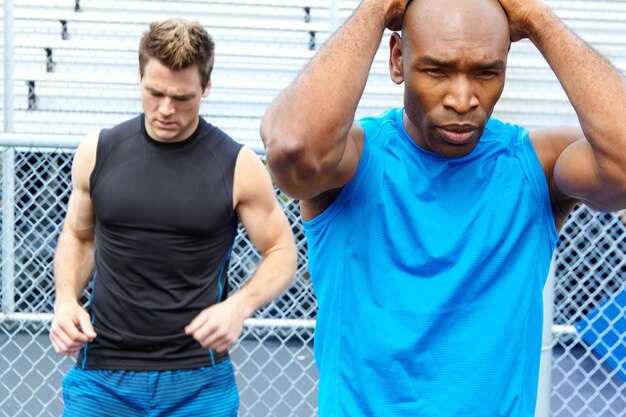
Start with a transparent due-diligence checklist before any collaboration, then run a controlled pilot to test fit.
| Step | What to verify | How to measure | Заметки |
|---|---|---|---|
| 1. Brand transparency | Ownership, registered entities, manufacturing sites, supply-chain disclosures; flag any abuse red flags | Public filings, third-party audits, supplier attestations, sanctions checks | Ask for baseline disclosure packet; verify with university compliance data; prepare a question list for suppliers |
| 2. Usage rights and likeness | Clear consent for imagery, product placement, and branding symbols; define who may use name/logo and how | Contracts covering rights duration, geography, channels; remove any ambiguity about celebrity-approved frameworks | Avoid misrepresentation; ensure content can be repurposed across YouTube and online stores |
| 3. Athlete-brand alignment | Audience match, sport relevance, channel fit; ensure identity supports the base audience | Overlap metrics, engagement benchmarks, cross-channel reach; compare with kendall-like benchmarks for marketability | Treat as team vs solo fit; prioritize long-term collaborations over one-off posts |
| 4. Product-market fit | Activewear category alignment; evaluate fabric, fit (slouchy vs streamlined), and comfort for workouts | Fit feedback, material performance, conversion rates on product pages; run A/B tests on different pieces | Start with a favourite piece; assess comfort and mobility during exercise |
| 5. Pilot and risk controls | Low-risk tests with a controlled market; track sign of misuse of likeness or claims; limit receiving of samples | 1–2 weeks of test runs; collect data across channels; ensure clear reporting | Set stop criteria; monitor channels like popflex; coordinate with campus initiatives; games-based challenges to gauge engagement; weeks matter |
If the data checks multiple boxes, proceed with a bounded agreement and a defined review cycle; use feedback from university partners, college groups, and a few favourite pieces to iterate.
Assess credibility flags: indicators of hollow campaigns and inflated claims
Start by verifying the sponsor’s identity and the athlete’s affiliation across at least two independent sources before sharing or amplifying any claim.
Key flags to watch for in sponsorship campaigns:
- Inconsistent usage across instagram, youtube, and tiktok; cropped imagery that hides context or logos can signal a generic approach rather than a real collaboration.
- Opaque disclosure: captions lacking clear sponsorship tags (#ad, #sponsored) or language that obfuscates the partnership.
- Stock-like or reused content: generic templates used across several athletes, suggesting a prepackaged plan rather than an authentic tie.
- Unverifiable performance claims: statements about results without verifiable findings or credible news coverage; demand third‑party evidence.
- Mismatched audience signals: messaging that targets a different crowd than the athlete’s typical followers; evaluate engagement quality and authentic interest.
- Harassment risk: high-volume critical comments or coordinated spam around posts; assess reputational risk for all parties involved.
- Fitness- or routine‑fit: when workout posts feature activewear in a way that clearly mirrors product usage, the link reads as stronger than celebrity‑approved messaging with sparse relevance.
- Historical pattern: review past activations by the sponsor and the participant; inconsistent results raise red flags.
- Channel alignment: verify through which channels the sponsorship appears and how it weaves into the creator’s content, which posts carry the message, and through which cadence.
How to proceed with due diligence:
- Request the official sponsorship terms and a contract copy; insist on explicit disclosure in every post.
- Ask for a media kit and evidence of product usage tied to genuine routines; require original content, not cropped assets.
- Cross-check claims against credible news and findings from independent sources; document corroboration.
- Evaluate impact metrics: engagement quality, sentiment, and uplift in awareness or intent; beware inflated numbers without context.
- Monitor for harassment or misinformation; report to the sponsor or platform if needed.
- Test activations on a small scale before broader rollout; focus on real behavioral lift rather than buzz alone.
Case notes and examples: when sponsorships lean into celebrity-approved messaging around activewear, the strongest signals come from creators who share long-form routines on instagram and in their workout videos on youtube. Platforms like tiktok and buzz around popflex campaigns illustrate the need for cross‑channel verification and careful reading of every caption and image. Those checks help assess impact through which content moves and prevent overclaiming in the news cycle, which otherwise can undermine favourite audiences and the trust of athletes being featured in these campaigns.
Draft clear contracts and disclosures: deliverables, timelines, usage rights, and compensation
Draft a master agreement that binds both sides to four pillars–deliverables, timelines, usage rights, and compensation–and attach a concise disclosures addendum covering sponsorship across channels. This keeps business advice focused on measurable assets and minimizes risk from ambiguous language.
Deliverables should be concrete: specify the exact number of posts, stories, reels, workout videos, and long-form content, plus required formats and durations (for example, 60-second workout clips, 15-second teasers, or 3–5 minute explainers). Require drafts for approval, source files for future edits, and captions aligned with brand guidelines. If the creator uses an alias such as Mason in credits, define how that credit appears. Mandate cross-posting rights to platforms like instagram and youtube, and reserve assets for the sponsor to reuse through the term, while keeping ownership with the creator. Address the fact that their followers and content quality affect marketability and buzz, so specify minimum quality standards to protect their online presence and online impact. Avoid worn boilerplate language and tailor the deliverables to the creator’s authentic style, especially for student-athletes from universities who must balance academics, sports commitments, and sponsorship obligations.
Timelines must be precise: set a kickoff date, a defined number of days for first drafts, and a fixed review window before publication. Outline posting cadence (for example, posts every week for four weeks, plus supplementary posts or stories around key events). Include milestones for asset delivery, approvals, and final edits, with penalties or renegotiation triggers if delays occur. Build in flexibility for games or moments that could affect timing, while keeping the schedule tight enough to maintain marketability and buzz around the collaboration. Emphasize that rapid content cycles–what some teams call swifts–should still meet quality thresholds and not harm the creator’s brand in a saturated online environment.
Usage rights must be detailed: grant a non-exclusive, worldwide license to use the deliverables across sponsor channels for the term, with sublicensing rights for campaigns, exciters, or affiliates. Define the scope to include instagram posts, youtube videos, and any future formats; specify duration and termination terms, and clarify that ownership remains with the creator while the sponsor receives a defined usage license. Include exclusivity limits, so rights in one category do not block other partnerships that align with the creator’s audience. Document any trailing rights for evergreen assets, and spell out how asset edits or re-cutting will be handled. For student-athletes, ensure license terms comply with university policies and protect their potential to pursue academics and athletics without conflict.
Disclosures must be conspicuous and compliant: require sponsorship disclosures in every post and video caption, clearly labeling content as sponsored or a paid partnership. Provide preferred language or approved templates, and specify placement (caption, first comment, and on video) to ensure readability across mobile screens. Mandate that any endorsements reflect genuine alignment with the creator’s values and avoid misleading claims about fitness or outcomes. Tie disclosures to findings from prior campaigns, emphasizing that genuine content around workout routines or product use tends to have greater impact on followers and marketability. Clarify how disclosures apply to celebs or other high-visibility creators who might be spotted at events or in media, to prevent conflicts with university or brand guidelines.
Compensation should be explicit and timely: define the payment model–flat fees per deliverable, performance-based bonuses tied to engagement metrics, or revenue-sharing components for sales generated through the creator’s links. Include a transparent payment schedule (for example, 30% upfront, 70% after approval and delivery), reimbursement policies for travel or production costs, and tax handling instructions. Specify how engagement should be measured (views, saves, shares, comments) and which metrics trigger bonuses, to avoid subjective disputes. For student-athletes, account for potential restrictions on compensation, ensuring the plan aligns with university rules while recognizing their potential to build a sustainable brand beyond the campus. Keep in mind the potential for their content to create long-term buzz and brand loyalty, not just a one-off sponsorship.
Documentation and safeguards reinforce reliability: require both parties to keep complete records of all deliverables, approvals, and asset usage, with a log of each post or story published. Establish audit rights to confirm compliance with scope and metrics, while respecting privacy and confidentiality. Include a clause to resolve disputes through arbitration or mediation, and outline steps to address non-performance, including cure periods and possible termination. Note findings from past campaigns–such as how content that feels authentic tends to outperform scripted material–and use these insights to guide both creative direction and risk mitigation. Finally, ensure the agreement accommodates creators who branch into other genres or audiences, so they can evolve their brand without renegotiating core principles.
Plan authentic storytelling: content guidelines that align with athlete persona
Define five pillars that reflect the athlete persona and map each to concrete outcomes: training, recovery, competition insights, gear stories, and community challenges. For each pillar, establish the audience value, the creator voice, and the sponsorship fit. This plan might reduce mismatch between what shows up online and what happens in real practice, boosting brand image and marketability over weeks of campaigns. Include concrete notes for partners like popflex and other brands, ensuring the piece remains about performance first.
Voice and structure: keep captions concise and factual, with a comfortable, human tone that invites questions. Use a mix of posts that reveal decision points, not just outcomes. Lean into the athlete persona by speaking plainly about training, sleep, nutrition, and mindset, while steering clear of gimmicks. The image should feel accessible, from on-site workouts to home setups, with natural light that respects slouchy, everyday gear.
Content formats: deploy a mix of video clips, carousel posts, and stories that show the process, not just the win. Use data-backed elements: findings and information from a study to back claims. This approach helps audiences feel informed and connected while reducing guesswork for followers. Keep formats tight: under 60 seconds for reels, a 4- to 7-slide carousel, and a 1- to 2-minute longer post when necessary.
Sponsorship and partnerships: clearly label sponsorship; integrate gear and programmes as part of the routine rather than a feature on top. Show how a brand partner supports training, mobility, or recovery. Use persona cues inspired by kendall, bella, and swifts energy to shape tone while staying grounded in real practice. This helps audiences see collaboration as a team effort rather than a quick plug.
Safety and community: outline harassment response, moderation steps, and reporting channels. Maintain a positive space by addressing inappropriate comments within weeks and providing a clear process for removing harmful content. This reduces risk and keeps the team comfortable while protecting participants and fans alike.
Measurement and iteration: track marketability, impact, engagement, and sponsorship ROI. Reference findings from a study to inform evolving guidelines, and share much information with the team to refine the approach. Use a simple dashboard to capture metrics: reach, saves, shares, comments, and click-through to sponsors’ pages.
Production kit: emphasize comfortable pieces; test a slouchy hoodie or a relaxed fit tee; build a wardrobe that feels natural on a field, court, or gym. For each shoot, plan a piece-by-piece shot list that captures the sport context and the lifestyle, keeping visuals authentic and avoiding over-polished looks. The online presence should blend performance with personality, and remain accessible to fans curious about the process.
Examples and templates: provide caption skeletons such as “Day in the life: training, recovery, takeaway” and “Question of the week: what keeps you motivated?” to encourage engagement. Create prompts that reference team dynamics and real routines, and invite followers to share their own pieces of practice.
Manage social media risk: community moderation, privacy settings, and crisis response
Recommendation: Establish a centralized moderation SLA and privacy guardrails: respond to reported issues within 60 minutes during peak hours, 4 hours otherwise; apply data minimization by default; require explicit consent for sensitive data sharing; run quarterly privacy reviews; maintain an incident log for post-incident audits.
Community moderation: Build a tiered framework with clear definitions of harassment, hate speech, doxxing, and threats. Staff a 24/7 review queue or rotate coverage across time zones, with 2–3 dedicated moderators and on-call escalation to legal and PR for Level 3 cases. Use automated alerts to flag high-risk language and established risk indicators (mass reporting, coordinated campaigns) while preserving legitimate critique. Set an immediate 1–hour public-facing response window for high-severity issues, and a 6–8 hour resolution target for misinformation corrections. Archive all actions and publish a neutral takedown policy to reduce ambiguity and backlash.
Privacy settings: Default profiles should minimize data exposure; restrict location sharing, third‑party data access, and cross-posting. Require consent for tailored advertising and data collection beyond what is strictly necessary for service delivery. Implement two‑factor authentication, access logs for ambassadors and partners, and a quarterly review of data retention policies (target: 90 days unless legally required). Use a consent management platform to document opt-ins and provide a clear, easy opt-out path.
Crisis response: Create a playbook with defined roles (community lead, PR, legal, security, product). Establish severity tiers and a concise decision tree: initial statement within 1 hour, a detailed update within 4 hours, ongoing updates every 12–24 hours as needed, and a final recap within 72 hours. Pre‑approve templates for admissions, clarifications, and corrective actions; perform monthly drills to test speed and accuracy; document lessons learned and adjust policies within 5 business days after each exercise.
Measurement and governance: Track incident counts, average response times, and time-to-resolution by severity. Monitor public sentiment and reach around each incident; target a year-over-year reduction in harassing content and faster public clarifications. Use dashboards that integrate moderation queues, privacy events, and crisis metrics; publish an annual transparency report outlining policies and improvements.