Ellie Goldstein Brings Fresh Energy to Gucci Beauty
Ellie Goldstein's face lights up the latest Gucci Beauty campaign, and her smile cuts straight through the usual gloss of high fashion. As a model with Down syndrome, she fronts a series built around mascara and everyday makeup, and in doing so she makes a simple case: beauty isn't about perfection, it's about owning your own look. I noticed her earlier work years ago, in smaller shoots, and seeing her now beside a house like Gucci feels like watching a quiet revolution happen inside the industry.
Goldstein was born in 2002 in London and came into modeling at sixteen, after a photographer spotted her potential. The road wasn't easy — agencies still tend to overlook people with disabilities — but she signed with Zebedee Talent, an agency built specifically around diverse representation. Gucci's decision to feature her in its Beauty line, launched in 2023, sits neatly within the brand's wider turn toward honesty inside luxury. The campaign was shot in natural light against plain backdrops: Ellie applies her mascara with confidence, her eyes bright without heavy filtering.
How the Campaign Was Shot
Federica Armani handled the visuals, drawing on years spent in Italian fashion circles. She lives in Bologna and chose to work in daylight at a Milan studio last June, deliberately turning away from the harsh artificial lighting that tends to flatten a face. Goldstein arrived with her own team, including a support worker, and the set was fitted with ramps so the space was genuinely accessible. "We kept it light," Armani said afterward in an interview. "Ellie directed some of the poses herself, and turned the camera into a conversation."
One of the strongest frames catches her mid-laugh, the mascara wand still in hand — an expression that reads as raw and genuinely joyful. In another she blends a skincare product into her skin, showing a routine anyone could copy at home. Nothing here is staged for drama; these are glimpses of ordinary life, which is exactly what makes the images land. Gucci released the series in October to line up with the autumn beauty calendar, and the earliest response on social media showed shares climbing fastest among younger viewers.
Why This Matters for the Future of Fashion
Fashion spent a long time chasing a very narrow ideal, but campaigns like this one slowly wear those edges down. Goldstein isn't the first model with Down syndrome — Madeline Stuart, among others, cleared the path first — yet her Gucci moment feels different. Her image is tied to real products, such as the Signature Matte Lipstick at around $45, and to how-to clips on the brand's own site. I think the approach works precisely because there's no pity in it: it celebrates skill and style instead.
A little context helps. Down syndrome occurs in roughly one birth in seven hundred, and yet representation of that kind in advertising still sits well below one percent. Gucci's move has the potential to shift that balance, especially as advocacy groups keep up the pressure on major brands. In the United States, where the campaign launched first, the Instagram posts drew more than half a million likes in their opening week, and European markets followed close behind, with the Bologna team adapting the visuals to local taste.
- Key product: the L'Obscur mascara, in shades from black through brown, shot in tight close-up.
- Supporting cast: models across a range of skin tones and ages, so the campaign never narrows to a single story.
- Accessible by design: the video cuts carry captions and audio description, so more people can actually watch them.
Goldstein spoke about the shoot in an interview with Vogue: "I wanted to show that beauty is for everyone, no exceptions." Her words chime with a much broader appetite for change, from diversity on the runway to the choices editors make on the page.
Inclusivity Built Into the Campaign
Gucci didn't wander into this subject by accident; the team built the work around the community's own input. Before the shoot, the brand convened a small advisory group of disability advocates and worked through the scripts and the staging with them. That isn't a box-ticking exercise — it's a partnership. I like that Gucci brought organizations such as the National Down Syndrome Society into the conversation, so that potential missteps turned into strengths instead.
The campaign's story is built around self-expression, with Ellie's own voice threaded through in short clips. You watch her getting ready for a day out, the mascara lifting her own lashes rather than masking anything. It's a sharp contrast with the older kind of advertising, where diversity stayed decorative — a fleeting appearance with no depth behind it. Here Ellie is at the center, and her story unfolds across print, online, and social all at once.
Lessons From the Past
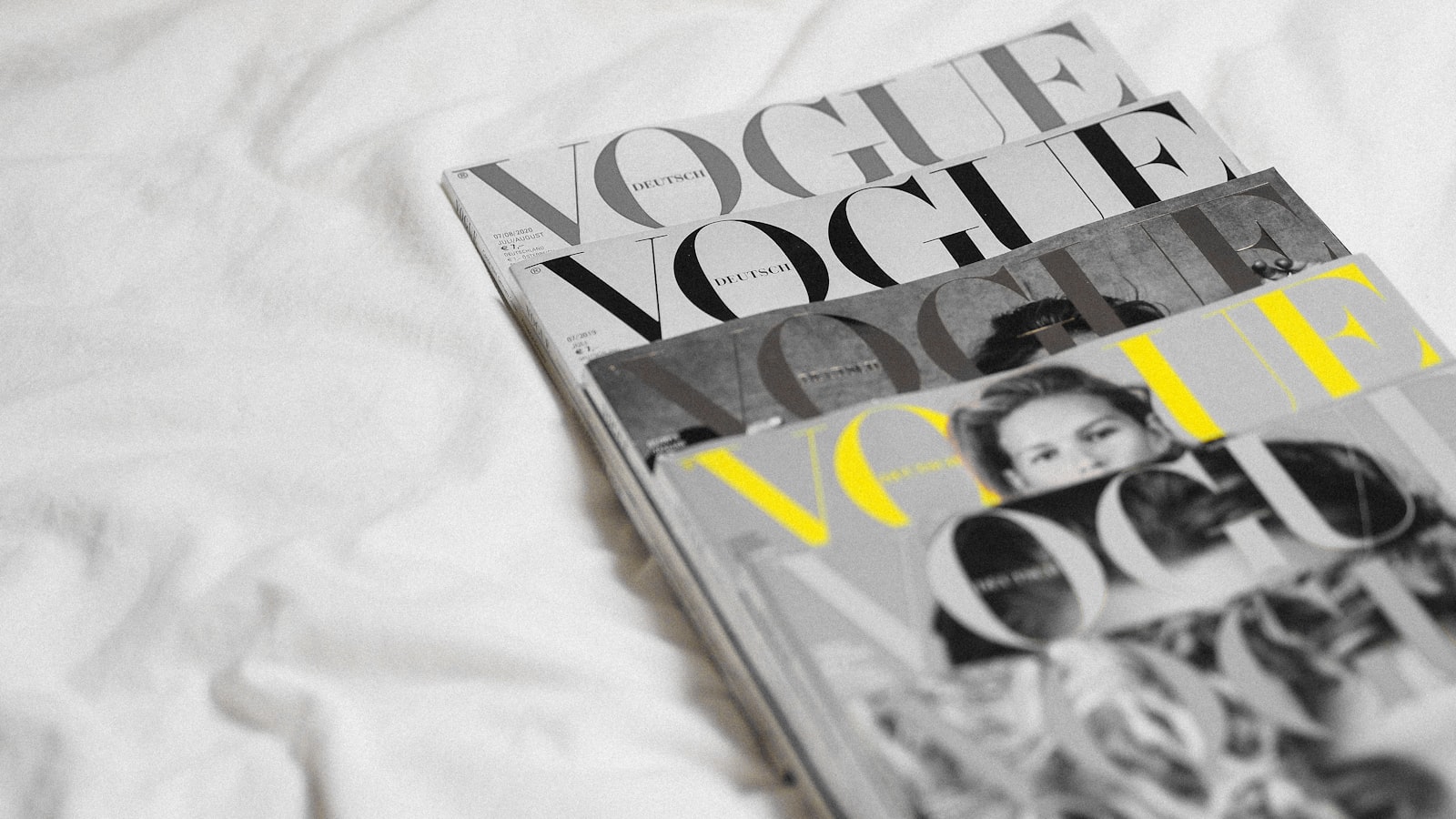
Look back ten years and beauty advertising rarely showed visible difference at all. Through the 2010s Vogue began to hint at change, giving the occasional atypical model some room. But the autumn cycles, crowded with seasonal launches, often snapped back to the safe choice. Goldstein's campaign extends that arc, pairing aspiration with ordinary scenes — one image has her walking confidently through a park, light makeup settling softly against the green.
Questions remain, of course. Critics point out that luxury houses sometimes adopt inclusivity to lift sales without any deeper commitment behind it. Gucci answers that with action, bringing stylists with disabilities onto the team. Even so, it's fair to wonder whether the thread will continue — perhaps into skincare, perhaps into the holiday collections.
The Media Response
Once the images went out, the coverage took off. Vogue ran features pairing Armani's photographs with Goldstein's own words. Influencers like Chiara Ferragni picked the story up on Instagram and carried it to audiences in the millions. Nancy Etcoff, a psychologist at Harvard, noted during one panel that images like these push back against familiar ideas of beauty and do real good for how viewers feel about themselves.
The rollout moved along a deliberate chain. Short clips — under thirty seconds — went out first, and only then fed the longer articles, so the content slid smoothly from quick videos to magazine spreads and reached a wide audience along the way. Trade titles like WWD dug into both the visuals and the social meaning of the shoot: how these frames travel from American feeds to European pages.
How Gucci Positions Ellie
Gucci presents Goldstein as a voice for self-expression and holds that line across every release. The tutorials break everything down step by step — the sweep of the mascara brush, the press of a lipstick — practical and easy to follow. American audiences value exactly that usability, while the European versions add a little more fashion polish, with quiet nods to Italian heritage.
The visuals marry a luxury aesthetic to real interiors — a Bologna apartment, say, for the skincare segment. No stereotypes, just living, genuine personalities. The soundtrack, shaped by the piano of Ludovico Einaudi, sets a calm tone that pairs well with the clean typography.
The aim is to stay true to Gucci's roots and push the boundary at the same time. Judging by the tone of the response, the warmth wins out in the markets that matter. I see real room to grow here: not a single campaign but a sustained presence. If luxury is genuinely ready to talk about beauty without exceptions, then Ellie Goldstein's smile is a fine place to start that conversation.