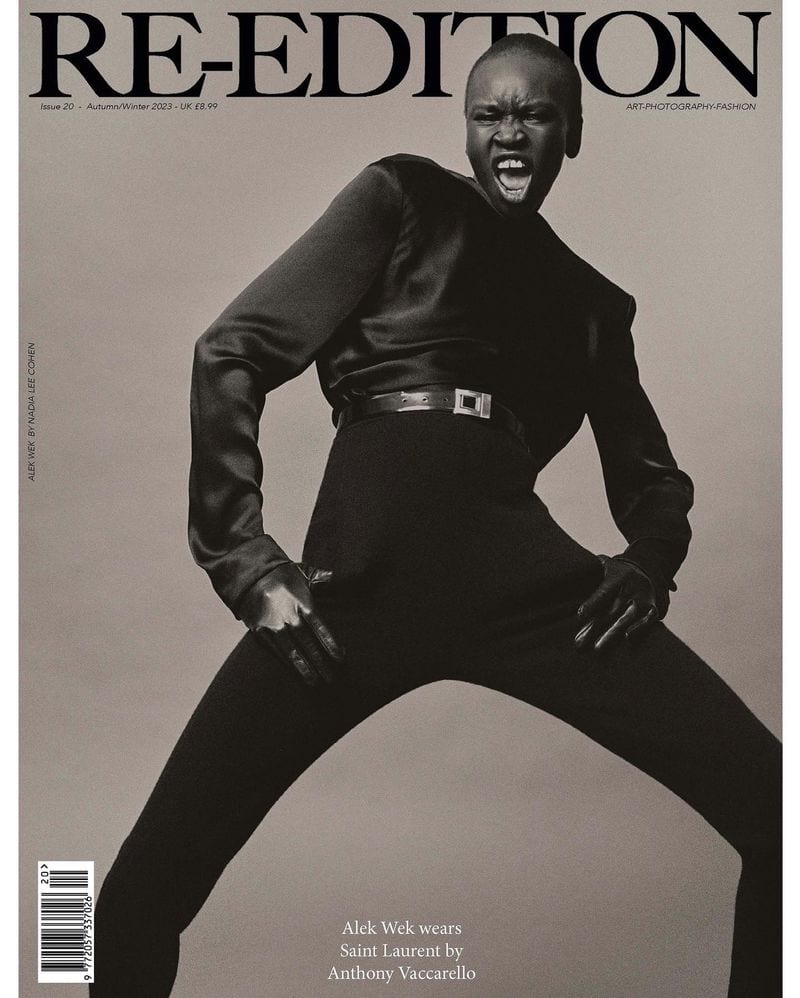
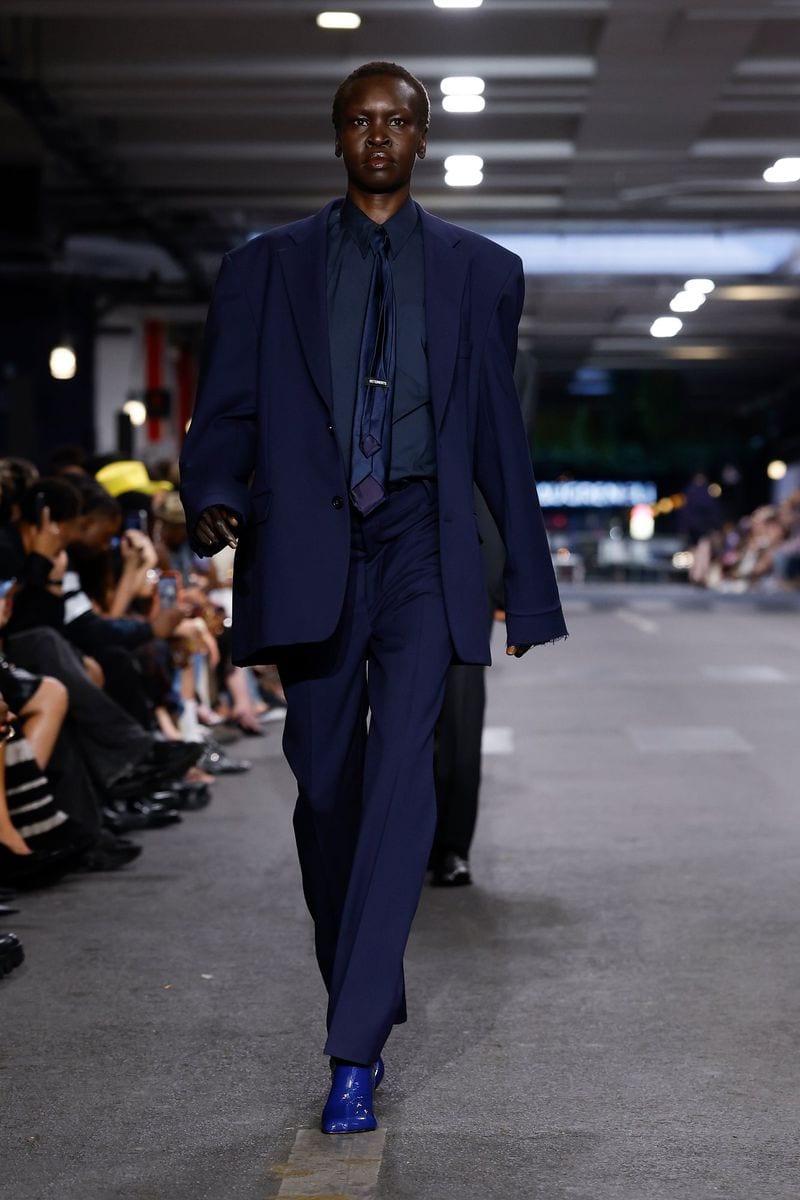
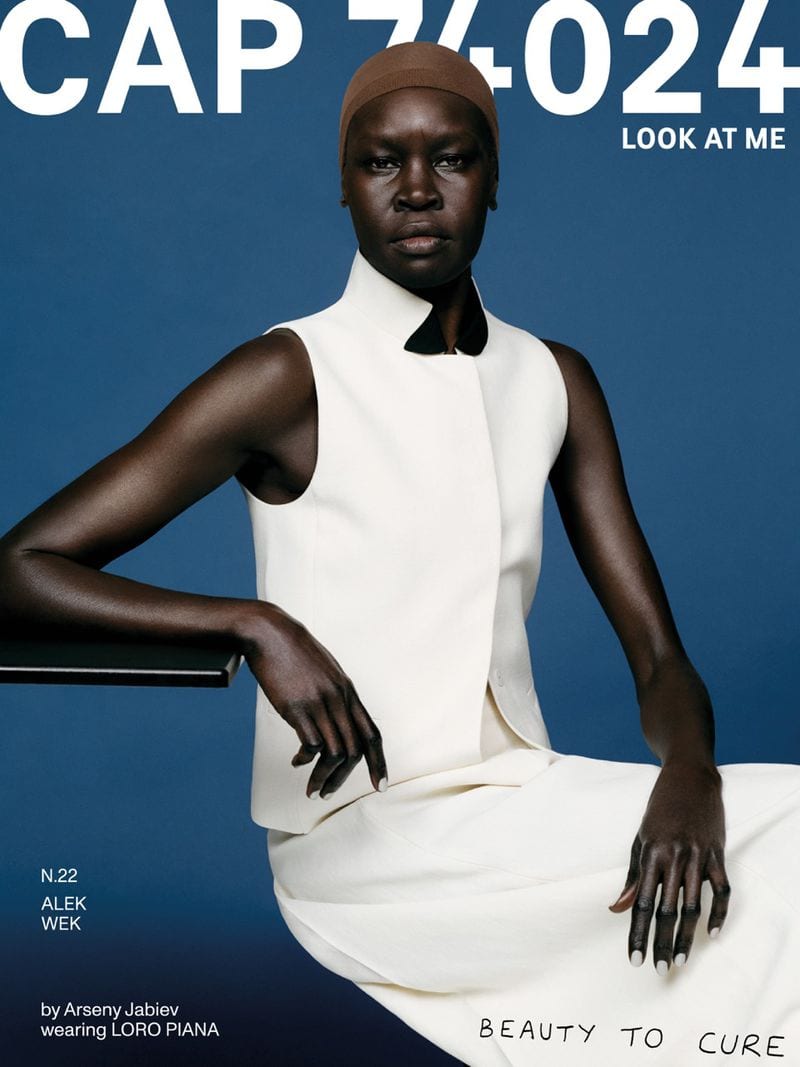
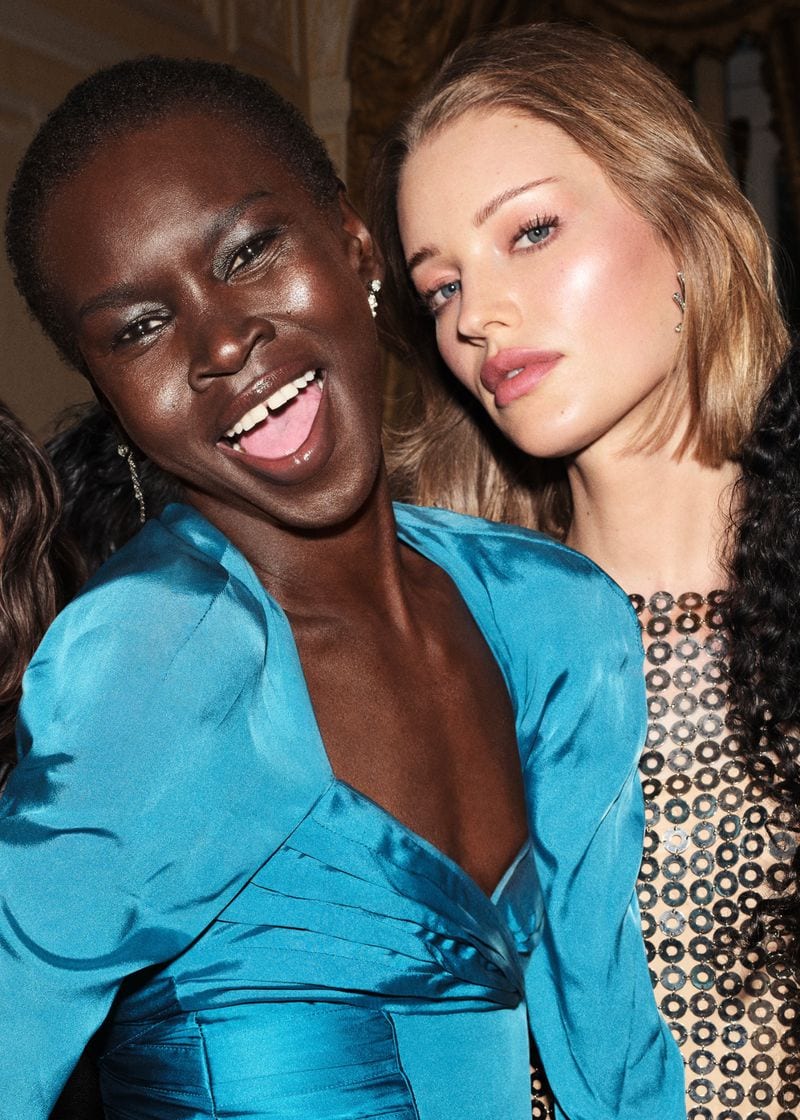
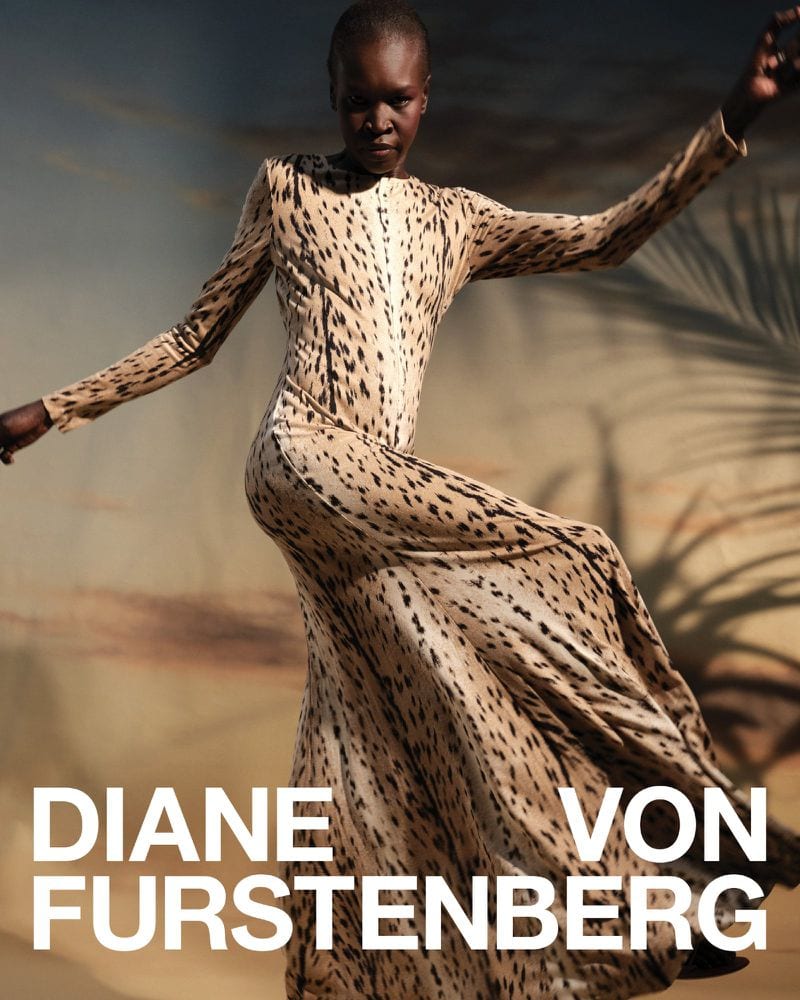
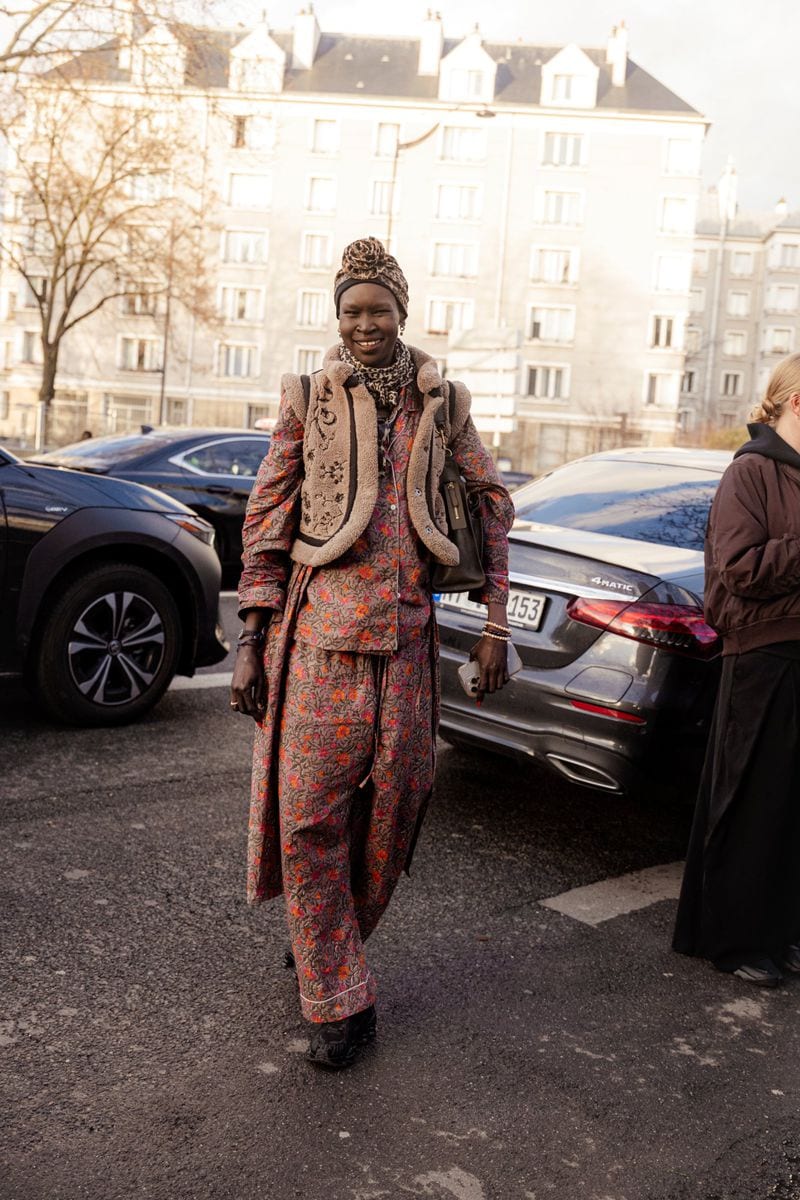
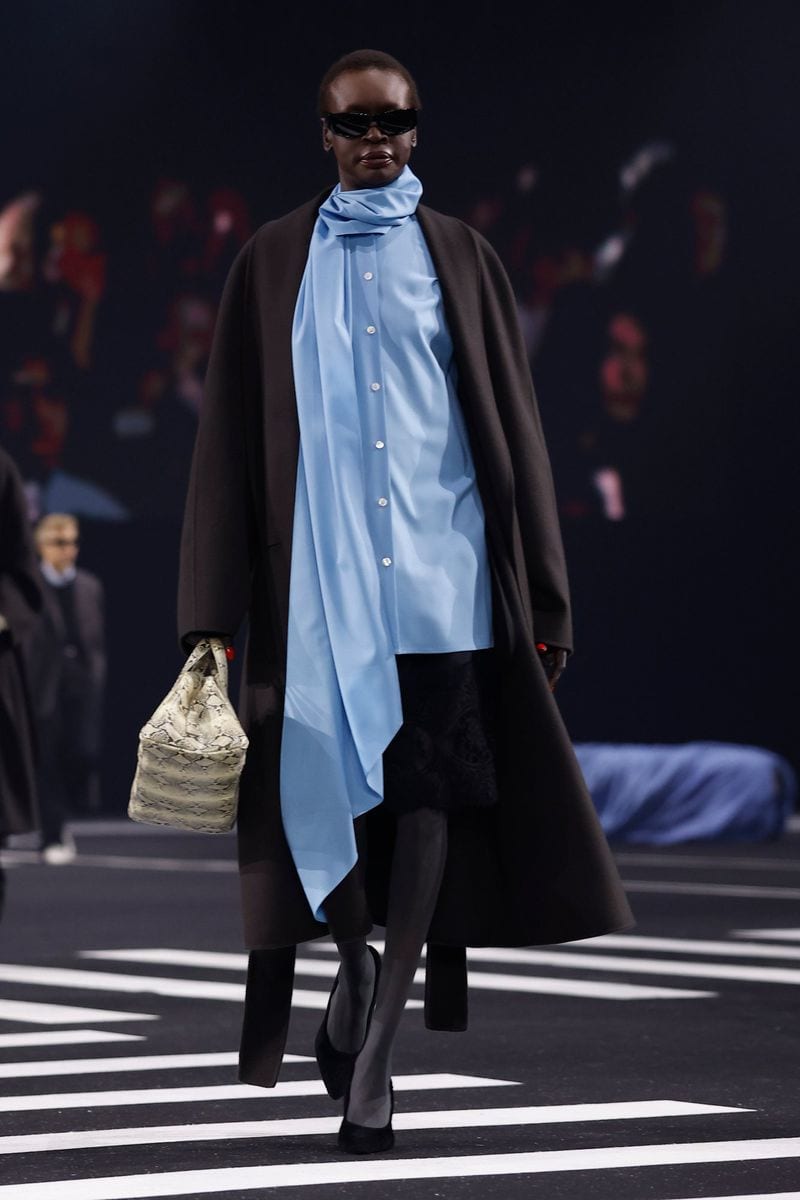
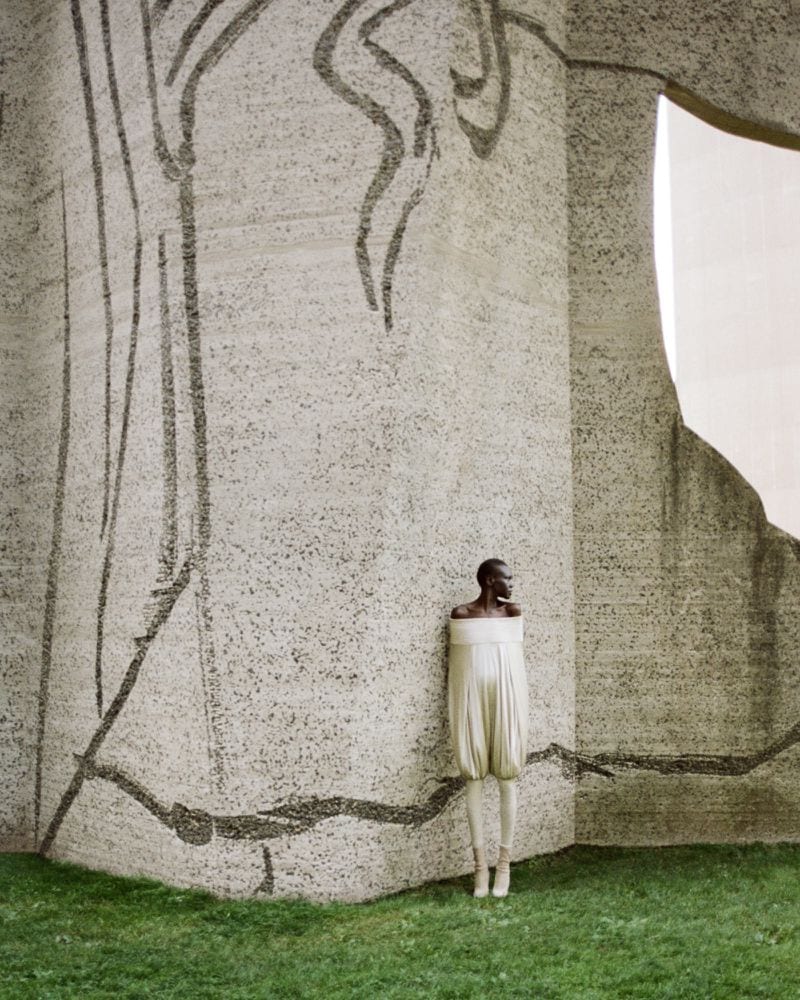
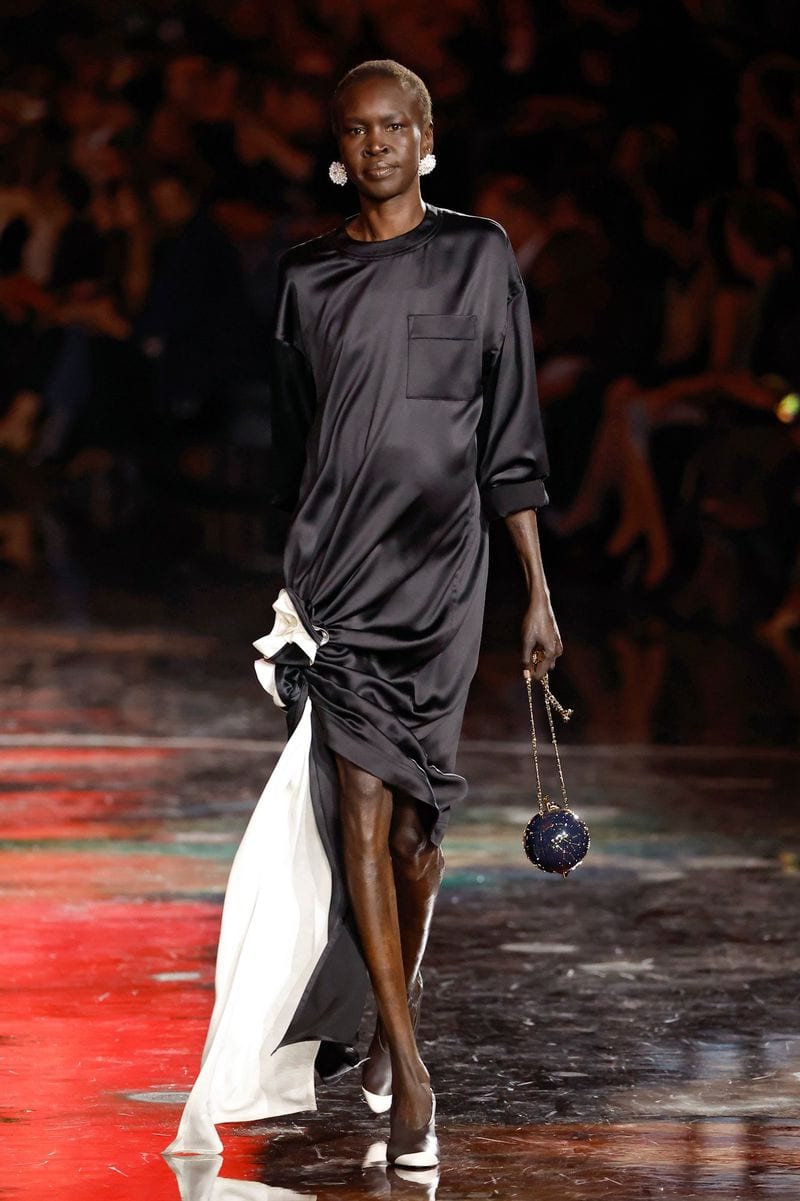
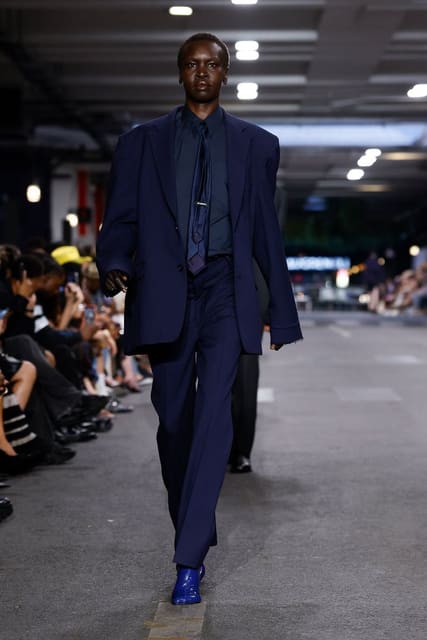
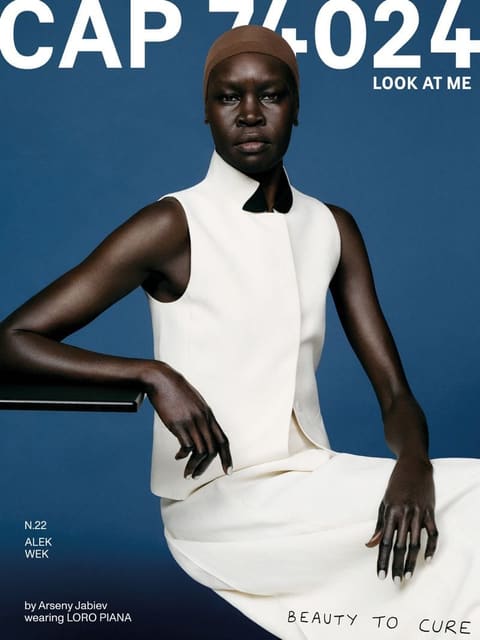
Alek Wek is a South Sudanese-British model and designer who dramatically transformed the global fashion industry, challenging traditional beauty standards and becoming an influential figure in representation within the modeling industry.
Born in 1977 in Wau, South Sudan during a period of intense civil conflict, Wek's early life was marked by significant challenges. Her family was forced to flee the Sudanese civil war, eventually seeking refuge in London when she was a teenager.
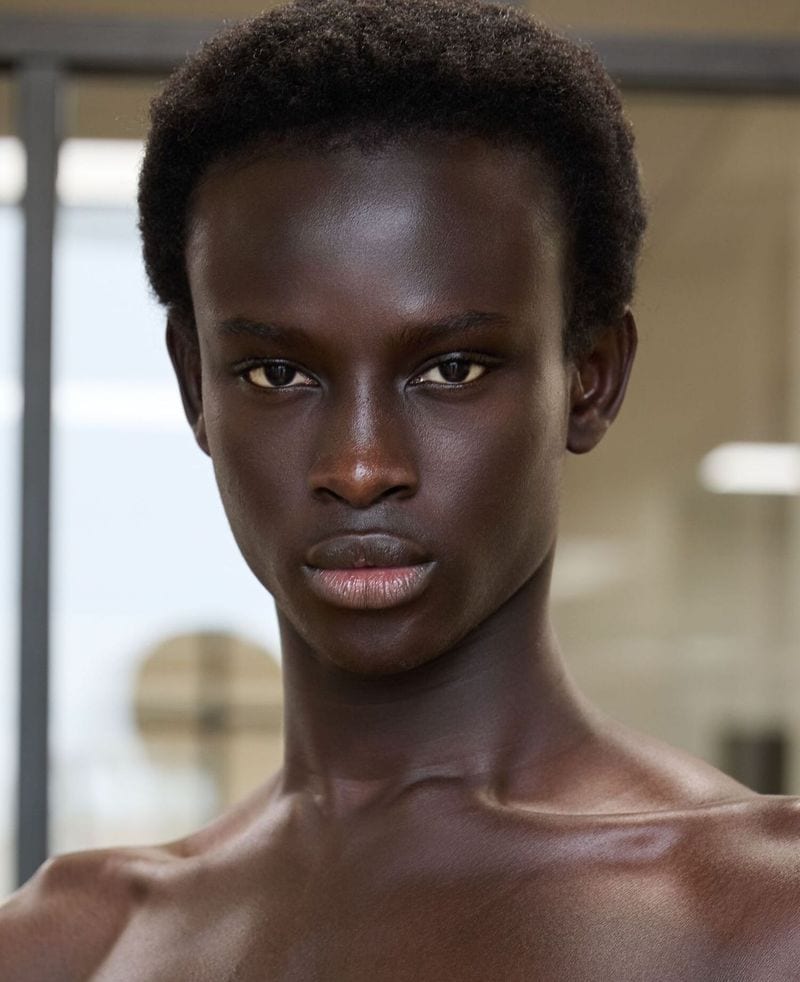
Wek was discovered in London in 1995, at a time when the fashion industry was predominantly featuring a narrow range of beauty ideals. Her distinctive features—dark skin, striking cheekbones, and slender frame—represented a radical departure from conventional Western modeling standards.
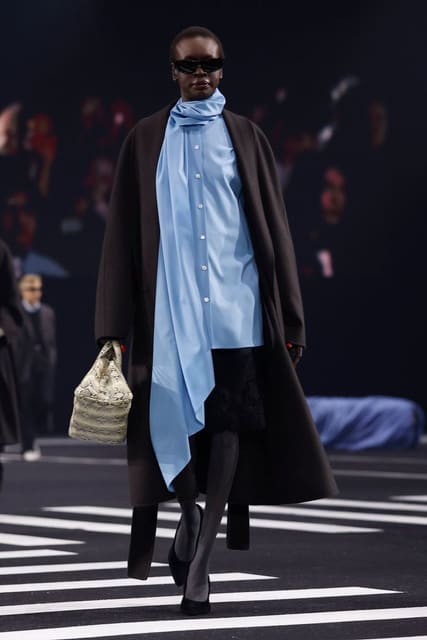
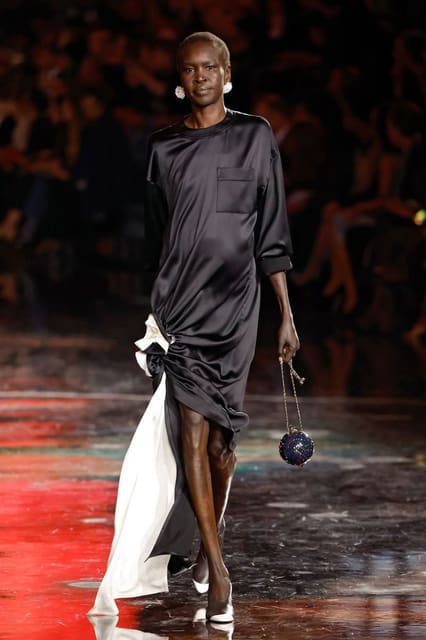
Her breakthrough came with a stunning Vogue cover in 1997, making her one of the first Black models to achieve such prominent international recognition. Throughout the late 1990s and early 2000s, Wek walked runways for elite designers including Chanel, Yves Saint Laurent, and Christian Dior.
Wek became a major face for major brands like Calvin Klein and was a prominent model for Elle and Harper's Bazaar. Her most iconic moment came with her new Diesel campaign, which celebrated her unique aesthetic and challenged traditional fashion imagery.
Beyond modeling, Wek became a significant humanitarian voice. As a UNHCR Goodwill Ambassador, she has consistently highlighted the challenges faced by refugees, drawing from her personal experiences.
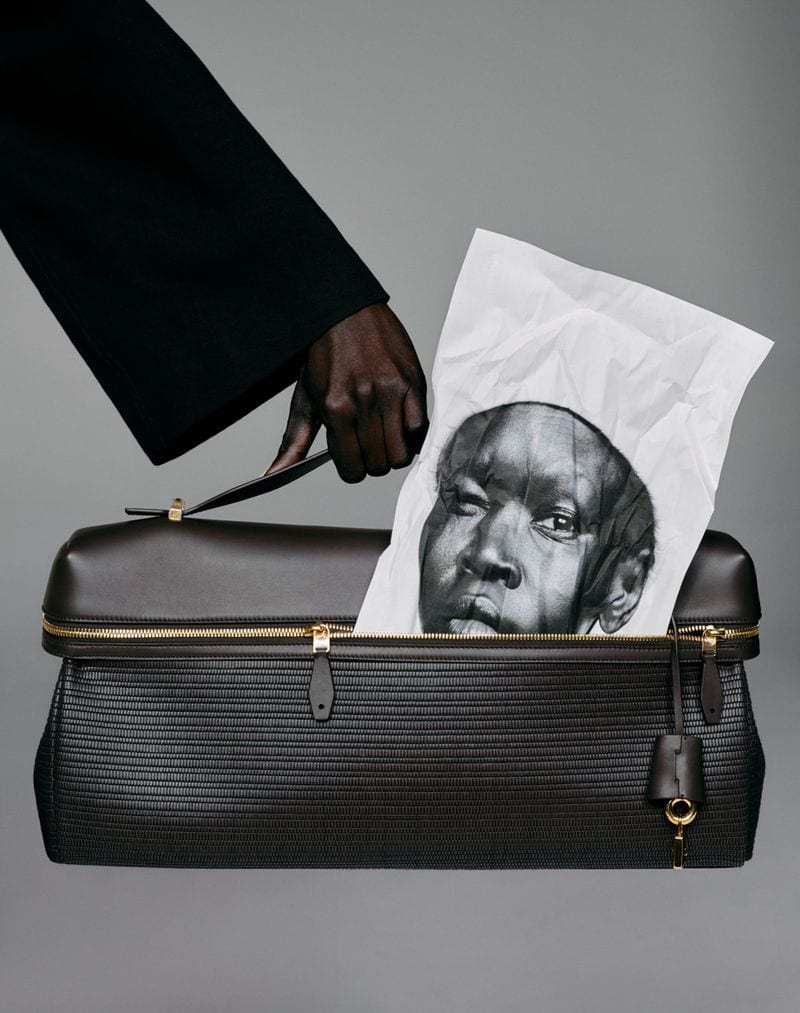
Expanding her professional repertoire, Wek launched her own accessories line, demonstrating her creative capabilities beyond modeling. Her designs often incorporate elements of her South Sudanese heritage, creating a bridge between high fashion and cultural representation.
Wek is widely credited as a pioneering figure who fundamentally reshaped beauty standards in global fashion. Her career represents more than professional success—she became a symbol of representation, challenging Eurocentric beauty norms and opening doors for subsequent generations of models of color.
…