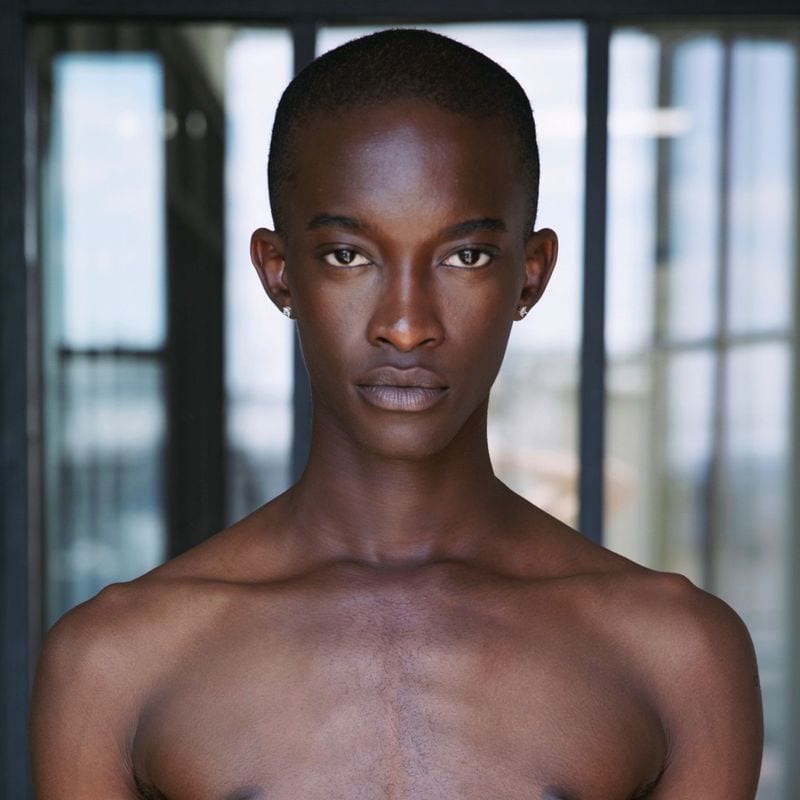
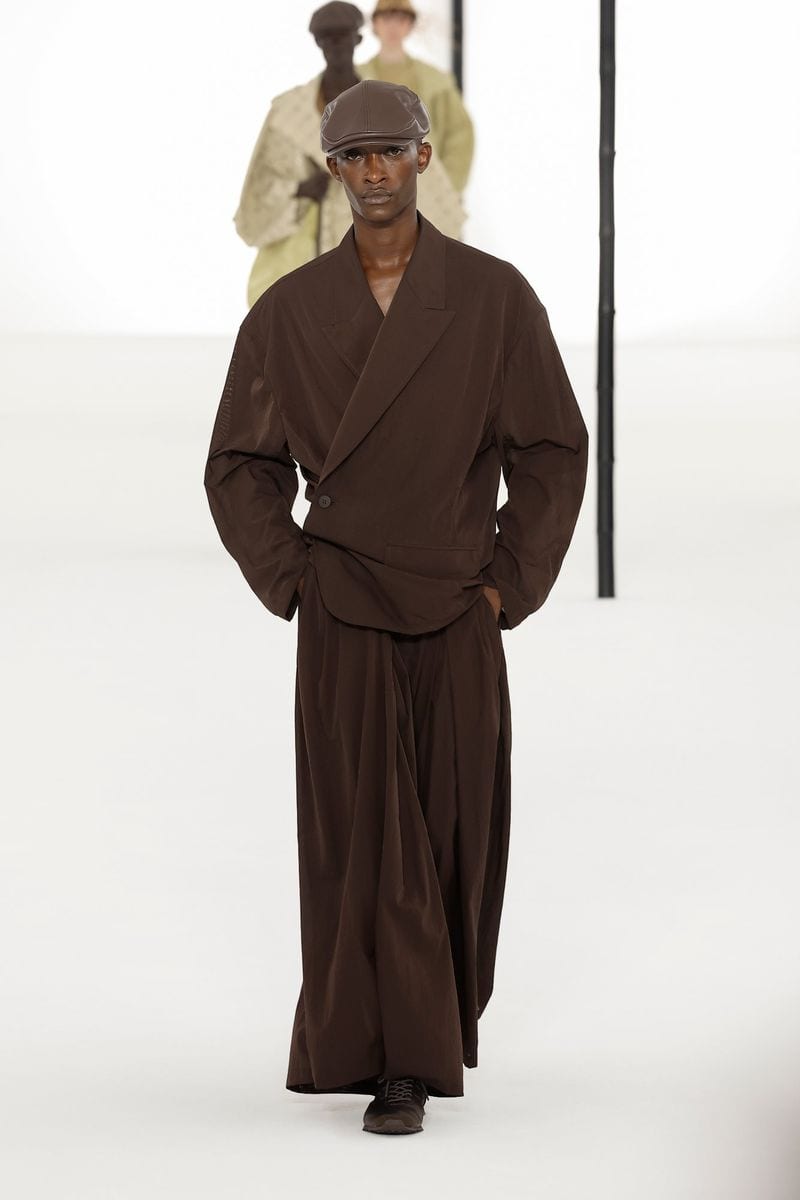
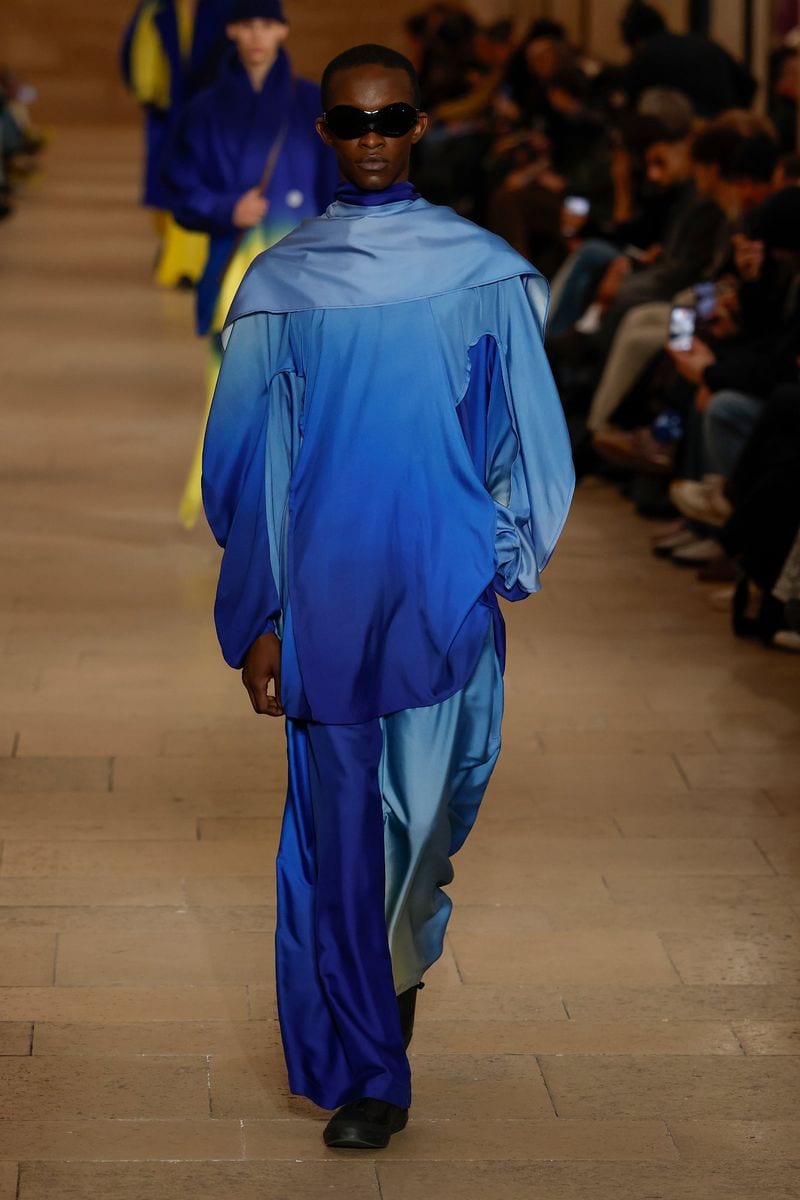
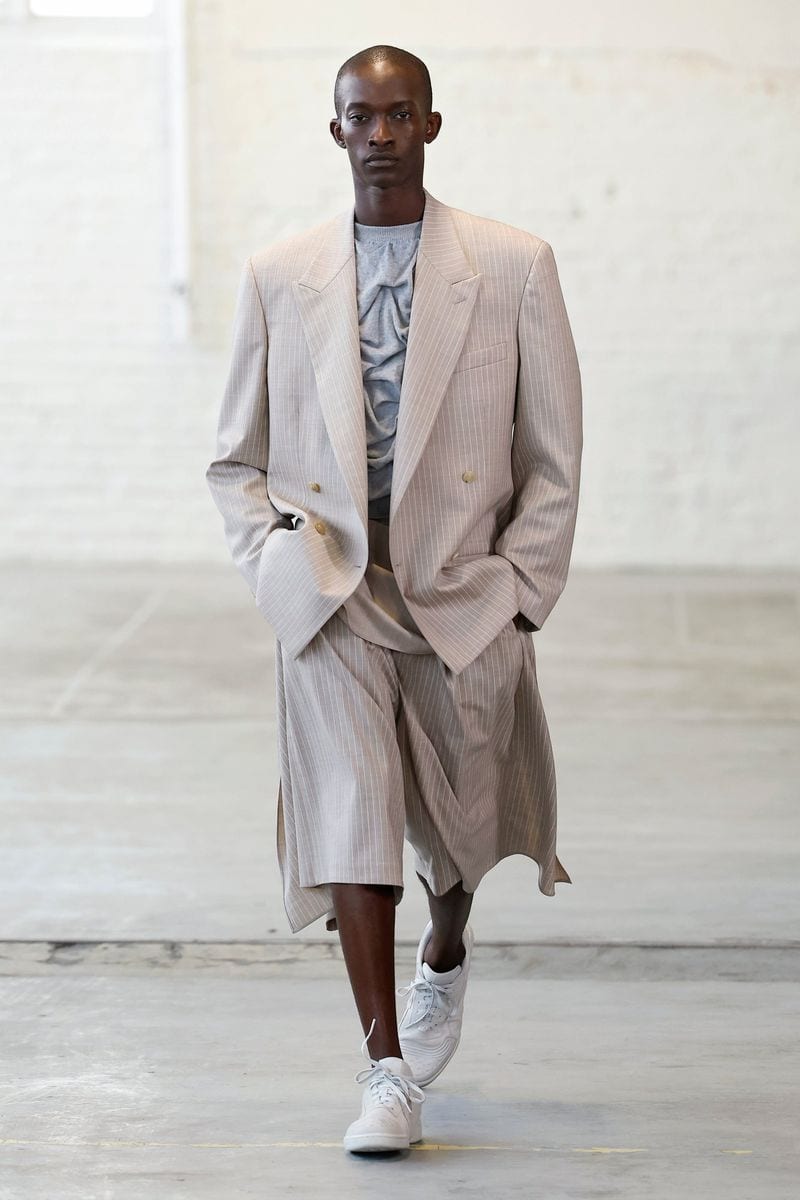
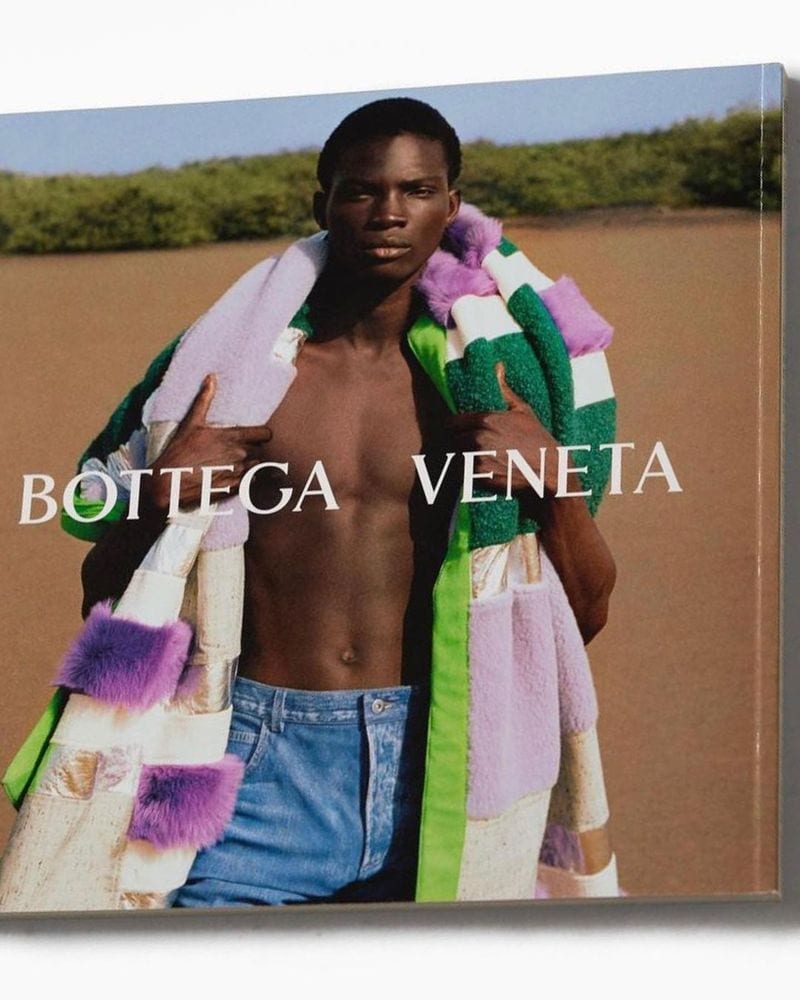
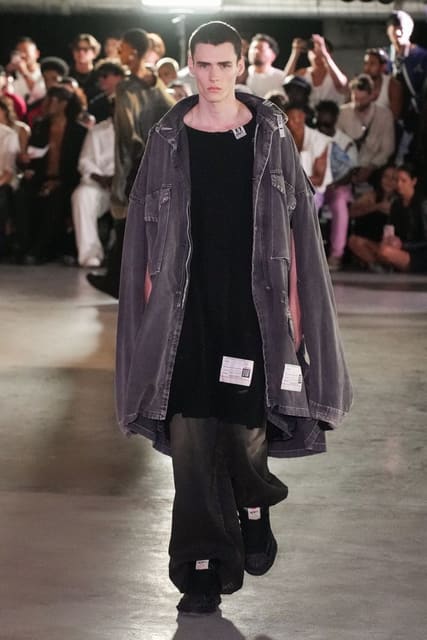
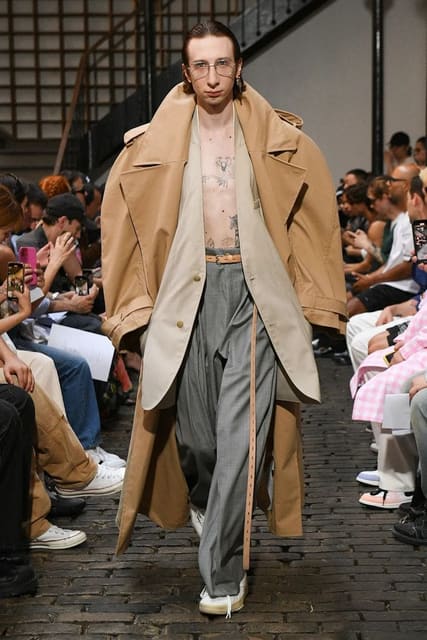
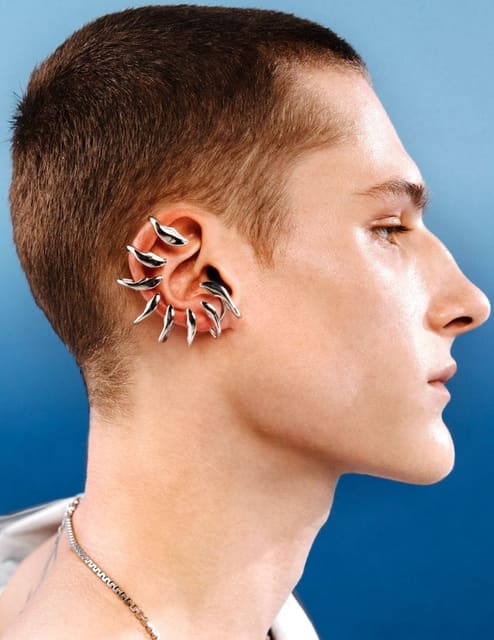
Cheikh Kebe, a prominent figure in the international fashion modeling scene, hails from Senegal, a West African nation renowned for its active cultural heritage and growing influence in global industries. Born and raised in Dakar, the thriving capital city that serves as a hub for African creativity, Kebe's early life was shaped by the active interplay of traditional Senegalese artistry and modern urban influences.
Cheikh Kebe's professional career took off in the mid-2010s when he was scouted by Elite Model Management, one of the world's leading agencies with a storied history dating back to 1972. Based in Paris, Elite has been instrumental in launching the careers of icons like Cindy Crawford and Naomi Campbell, and its European division has increasingly focused on scouting diverse talents from Africa and beyond.
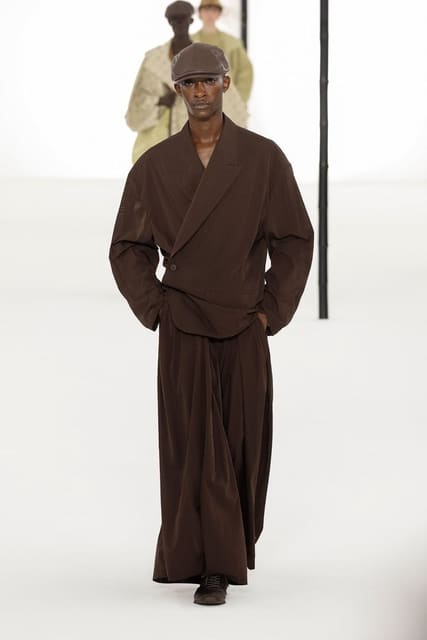
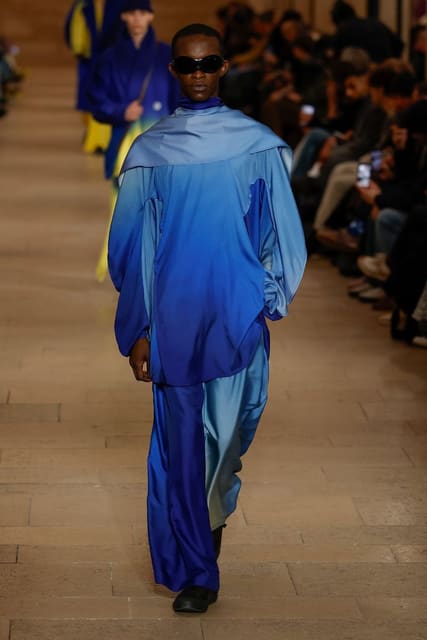
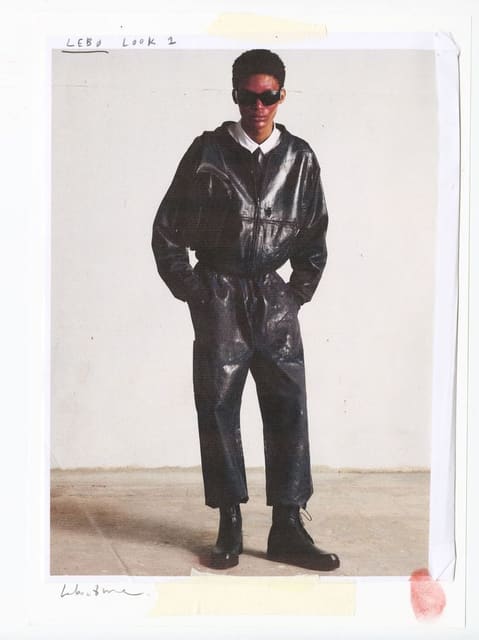
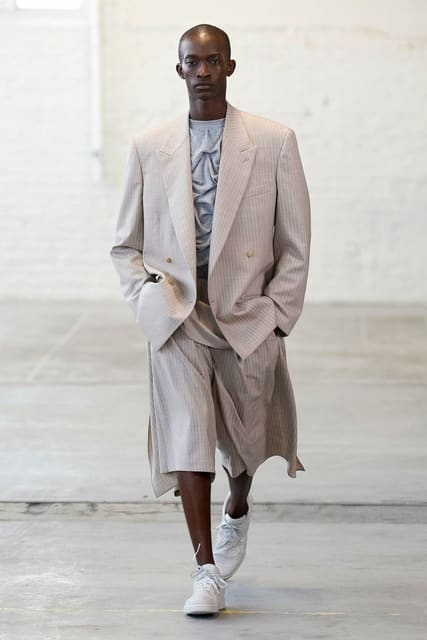
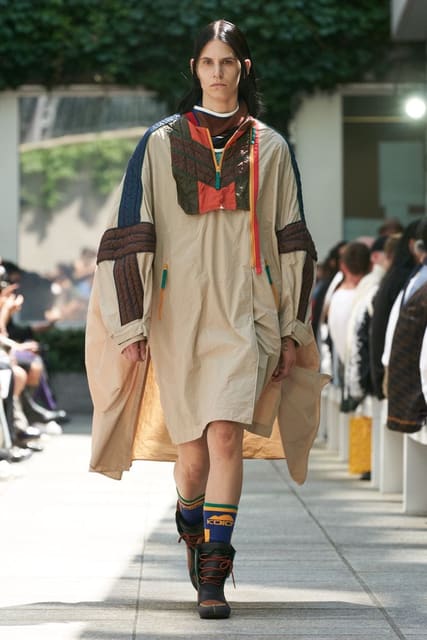
One of Cheikh Kebe's standout achievements came with his runway debut at Paris Fashion Week, where he walked for Louis Vuitton during their Fall/Winter 2019 collection. This appearance under the creative direction of Virgil Abloh, the late artistic director who championed African influences in luxury fashion, underscored Kebe's alignment with boundary-pushing menswear.
The fashion industry, a $2.5 trillion behemoth employing millions worldwide, operates within a complex web of markets where Paris remains the undisputed menswear capital, hosting over 100 shows per season. Elite Model Management's positioning in this community is significant; as part of a global conglomerate, it manages a roster of 4,000 models across 50 offices, emphasizing scouting in underrepresented regions like West Africa to counter the industry's past homogeneity—where 75% of runway models were white as late as 2015, according to The Fashion Spot's diversity reports.
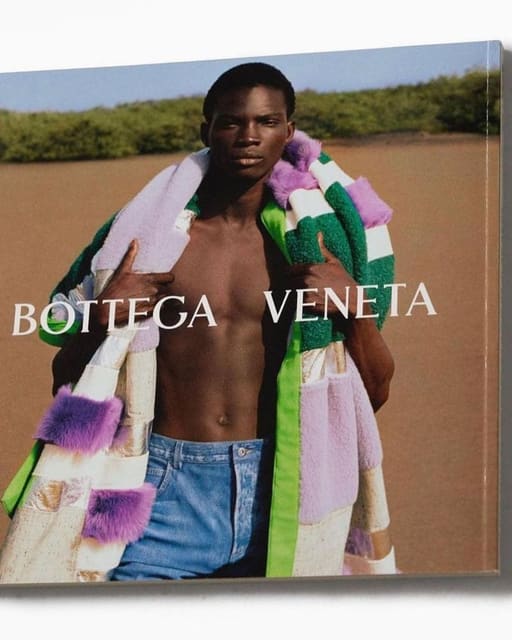
As of 2023, Cheikh Kebe continues to thrive under Elite's umbrella, balancing runway seasons with commercial endeavors that extend his reach into advertising and influencer collaborations. His current status embodies resilience in an industry rebounding from economic disruptions, with menswear projections indicating steady 5% growth through 2030, per McKinsey analyses.