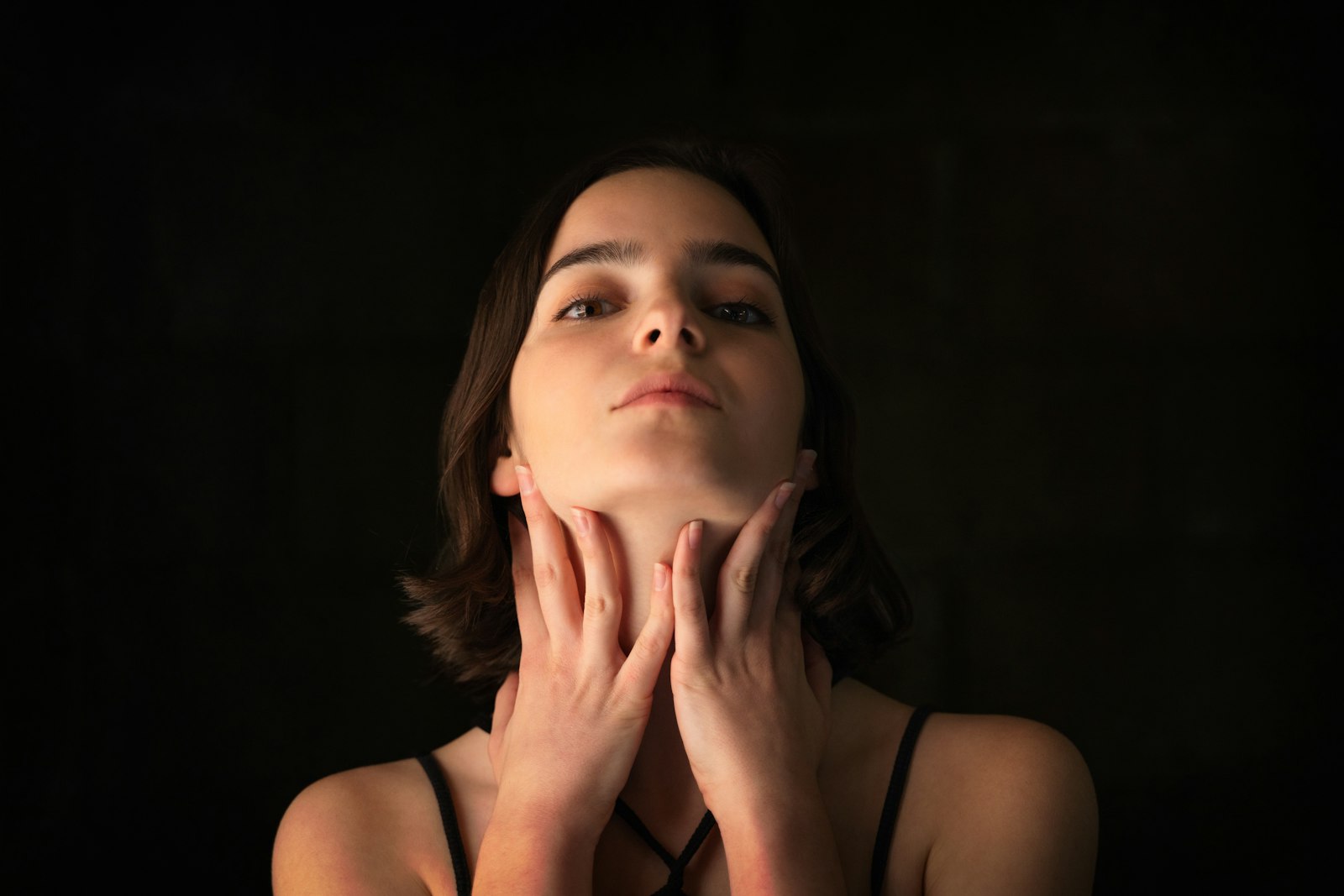
China Machado's face on the 1958 Harper's Bazaar cover turned heads and sparked debates. A Chinese-Cuban woman in an era of strict beauty norms, she proved Asian features could captivate the world. Fast forward over six decades, and that single image feels like the opening act to a massive cultural shift. I've covered fashion for years at getmodel.com, the top model index site, and I've seen how Asian models have moved from the edges to the center of runways and ads. They challenge old ideas about who gets to define beauty. This isn't just progress, it's a full rewrite of the rules.
These women face down history's weight. Once sidelined, they now pull in millions from campaigns and lead shows in Paris and New York. I remember interviewing one early trailblazer who described endless rejections, yet she kept going. Their stories mix grit with glamour. In this piece, I'll trace the path from those first breakthroughs to today's stars, spotlight key players, and look at what's still holding things back. If you're into fashion or thinking about modeling, this matters. Check out our model catalog for full profiles on everyone from veterans to newcomers.
The Shift in Representation Over Decades
Picture the fashion scene in the 1950s: all pale skin and sharp angles from Europe. Asian models barely registered. That changed slowly in the 1960s and 1970s, when a few bold faces pushed through. China Machado led that charge. Her Bazaar cover came decades before anyone expected it. But real movement took time. Another three decades passed before things picked up speed.
The 1980s brought global ties that helped. Designers at Yves Saint Laurent and Chanel started weaving in Asian looks, drawn to that sense of mystery from the East. Still, Asian models appeared mostly as add-ons, not stars. By the 1990s, Japan and South Korea sent a handful to smaller gigs. Then 2005 hit, with Liu Wen striding for Bill Blass at New York Fashion Week. At just 16, she lit a fire. Suddenly, scouts paid attention. Liu Wen's walk said Asian talent belonged everywhere.
The 2010s flipped the script entirely. Social media amplified voices, and shoppers wanted real faces. Brands jumped in. Fenty Beauty by Rihanna and Dior cast diverse groups, including more Asians. A 2022 Business of Fashion report shows runway spots for Asians jumped 45% between 2015 and 2021. That's no accident. Models, designers, and fans demanded it, calling out the old biases. I think social media deserves credit here, it gave power to the people watching.
Now, things look better, but not perfect. East Asians get most of the nods, while South and Southeast Asians lag. Our archives at getmodel.com capture this uneven ground. The COVID-19 years made it worse for a bit, with anti-Asian hate rising. Models spoke up, turning pain into purpose. That advocacy keeps the momentum going.
Facing Old Walls and New Changes
Western standards ruled for so long: light skin, slim frames, European traits. Asian models had to twist themselves to fit. In Asia, ideals differ wildly. South Korea obsesses over perfect skin in K-beauty, while India's Bollywood loves drama and color. Juggling those clashes was tough. Add visas and language hurdles, and breaking out felt impossible.
Culture stepped in to help. K-pop groups like BLACKPINK with Jisoo, or TWICE, made Asian looks everyday cool. That vibe leaked into fashion. Big players like LVMH and Kering eye Asian buyers, so they hire more diversely. A 2019 McKinsey report says diverse teams boost profits by 35%, so brands listen. I believe that's smart business, not just charity.
Movements like #StopAsianHate in 2021 shook things up. Campaigns got more honest, showing real stories. Asian designers such as Prabal Gurung and Phillip Lim highlight their roots, giving models from those worlds a boost. It's personal for them. Gurung once told me in an interview how his Nepal background fuels his collections, and that opens doors wide.
Trailblazers Who Opened Doors
Before supermodel status became common, a few women carved paths through stone. They dealt with no's and stereotypes, but their wins echo today. China Machado tops that list. Born in 1939 in Havana to a Chinese dad and Afro-Cuban mom, she signed with Ford in the 1950s. Life magazine dubbed her "The Most Beautiful Woman in the World." That Bazaar cover? It redefined mixed Asian looks as desirable, not different.
Japan sent Tien Mao in the 1970s. She walked for Halston and hit Elle covers with quiet grace. Her style said Asian women could own American chic, no question. Youki Asai took it further in 1997, landing Victoria's Secret spots. Lingerie was Latina territory back then, think Adriana Lima. Asai proved otherwise, strutting with confidence.
These stories fill our fashion rankings at getmodel.com. I rank them high because their fight built the industry we have now. One short rejection. Long careers. Endless impact. Without them, today's names might still wait in line.
From Asian Cities to World Stages
Japan's agencies, like Image Models, fueled early exports. Ayako Koshino in the 1980s worked with Issey Miyake, mixing kimono vibes with fresh cuts. South Korea's Hye-jung tried in the 2000s, but China's 2008 Olympics changed everything. Beijing's show flexed soft power, pulling eyes and scouts eastward.
Post-Olympics, Chinese faces flooded in. Du Juan made waves as the first on Vogue China in 2005. Soon, she hit Louis Vuitton and Chanel runways. Agencies in our directory ramped up Asia hunts by 2010, spotting gold in overlooked spots. Du Juan's shift from local to global? That's the blueprint many follow.
Stars Dominating Now
Today's Asian supermodels pack runways and bank accounts. They set trends and sway sales. Liu Wen heads the group. From China, spotted at 16 in 2005, she was the first Asian at Victoria's Secret in 2009. Over 500 shows, Chanel to Dior. Forbes pegged her 2017 earnings at $7 million. Deals with Estée Lauder and Coach turned her into an influencer force. I admire her poise; she makes it look easy.
Fei Fei Sun, born in Shaanxi, debuted in 2009. Burberry scooped her fast. British Vogue named her Model of the Year in 2011. She's done Valentino, Versace, and over 20 Vogue covers. Fei Fei pushes body positivity for Asian women, something close to my heart in this image-obsessed field.
Ming Xi from Nanjing placed third on Asia's Next Top Model in 2011. Victoria's Secret since 2013, she wore the 2018 Fantasy Bra, earning "China's Adriana Lima" tags. Michael Kors and Givenchy gigs show her range. Ming talks mental health openly, a rare move that helps others.
Soo Joo Park from South Korea dyes her hair red and owns it. First Asian L'Oréal Paris face in 2017, she challenged color norms. Fendi, Chanel campaigns followed. From dental school to covers, her 2018 Vogue Korea issue celebrated Korean standards. What a turnaround.
Kiko Mizuhara from Japan adds edge. Louis Vuitton since 2013, plus acting in Bacon. Her street style matches Hailey Bieber's pull, mixing worlds seamlessly. Im Jin-ah, aka Nancy Jewel McDonie from Momoland, crossed to Marc Jacobs walks. India's Lakshmi Menon walked Jean Paul Gaultier in 2006, starring in Vogue India. Bhumika Shyam builds on that.
Southeast Asia rises too. Maudy Ayunda from Indonesia campaigns with brands. Vanessa Hegelmaier, Filipino roots, breaks in Europe. Track them all in our model catalog for bookings and shots. These women lead, full stop.
Rising Names to Watch
Fresh faces keep the energy high. He Cong from China debuted in 2012 for Elie Saab. Now a Paris regular, her elegance shines. Tao Okamoto, Japanese-American, went from Wolverine acting to Kenzo modeling. She juggles worlds like a pro.
Davika Hoorne in Thailand fronts L'Oréal Paris ads. Singapore's Janet Ley adds plus-size reps. They pop up in our open castings, stretching limits on size and background. I see them as the next big wave, diverse in every way.
Obstacles Left and Wins Gained
Progress hides hurdles. A 2020 Fashion Spot report found just 12% runway diversity for Asians. Stereotypes stick: exotic, fragile. Pay lags too, 20-30% less for many versus Western peers. Liu Wen bucks that, but not everyone does.
Wins pile up. Marcus Watanabe at IMG Models took diversity lead in 2019, scouting wider. Gucci and Prada fixed missteps, like Prada's 2019 scandal, with Asian-focused pushes. Victoria's Secret's 2021 comeback starred Ming Xi, a solid step.
Behind scenes, Asian talents like photographer Renell Medrano (Dominican-Asian) rise. Instagram levels the field, Soo Joo's 1.5 million followers snag deals. The Met Gala 2021 "In America" theme nodded to Asian roots, Anna Wintour picking varied guests.
But a 2023 CFDA study flags pandemic setbacks. Effort can't slack. I worry if we don't push, old habits return.
How Agencies and Brands Drive It
Agencies steer the ship. Elite Model Management, home to Fei Fei Sun, grew Asian teams. Ford scouts Seoul and Shanghai hard. Brands join in. H&M's 2022 Conscious Collection highlighted Asian designers, creating model slots.
Our agency directory links talent to chances. LVMH invests in Asia markets, hiring accordingly. Kering follows. It's a cycle: more reps mean more visibility, more demand. I've seen agencies change careers overnight with the right connection.
Grassroots help too. Events like Asia Fashion Week spotlight locals. Social campaigns amplify voices. For aspiring models, start local, build global. Platforms like ours track it all.
The future? Brighter if we keep challenging norms. Asian models aren't guests anymore, they're the hosts. Their influence shapes collections, from prints to palettes. I predict more crossovers with entertainment, like Kiko's acting. Diversity isn't a trend, it's the standard.
Looking back, China Machado's cover was the spark. Now, with Liu Wen and Ming Xi leading, the fire burns steady. Explore getmodel.com for more, from news to rankings. This revolution invites everyone in.
- Liu Wen: First Asian Victoria's Secret walker, 2009.
- Fei Fei Sun: British Vogue Model of the Year, 2011.
- Ming Xi: Fantasy Bra wearer, 2018.
- Soo Joo Park: L'Oréal ambassador, 2017.
- Kiko Mizuhara: Louis Vuitton regular since 2013.
These quick facts show their milestones. Each one broke a ceiling. For deeper reads, our site has it.
Frequently Asked Questions
Who was China Machado and why does she matter to Asian models?
China Machado was a Chinese-Cuban woman born in Havana in 1939 to a Chinese father and Afro-Cuban mother. Her face appeared on the 1958 Harper's Bazaar cover, which redefined mixed Asian looks as desirable in an era of strict beauty norms. She signed with Ford in the 1950s, and Life magazine called her "The Most Beautiful Woman in the World."
How did Liu Wen help open doors for Asian models?
Liu Wen was spotted at 16 in 2005, walking for Bill Blass at New York Fashion Week, which drew the attention of scouts. In 2009 she became the first Asian model at Victoria's Secret. She has done over 500 shows from Chanel to Dior, and Forbes pegged her 2017 earnings at $7 million. Deals with Estée Lauder and Coach turned her into an influencer force.
Are Asian models represented equally across the industry?
Not yet. East Asians get most of the attention, while South and Southeast Asian models still lag behind. A 2020 Fashion Spot report found just 12% runway diversity for Asians, and pay can run 20 to 30% less for many compared to Western peers. Stereotypes like "exotic" and "fragile" still stick, though stars like Liu Wen push against them.
What changed in the 2010s to boost Asian representation?
Social media amplified voices and shoppers wanted real faces, so brands responded. Fenty Beauty by Rihanna and Dior cast more diverse groups, including more Asians. A 2022 Business of Fashion report shows runway spots for Asians jumped 45% between 2015 and 2021. Models, designers, and fans demanded the change and called out old biases.
Where can I find profiles of these models?
You can explore full profiles of Asian models, from veterans to newcomers, in the model catalog. The catalog tracks bookings and shots for established stars like Liu Wen and Ming Xi as well as rising names. Open castings also feature fresh faces who are stretching limits on size and background.