
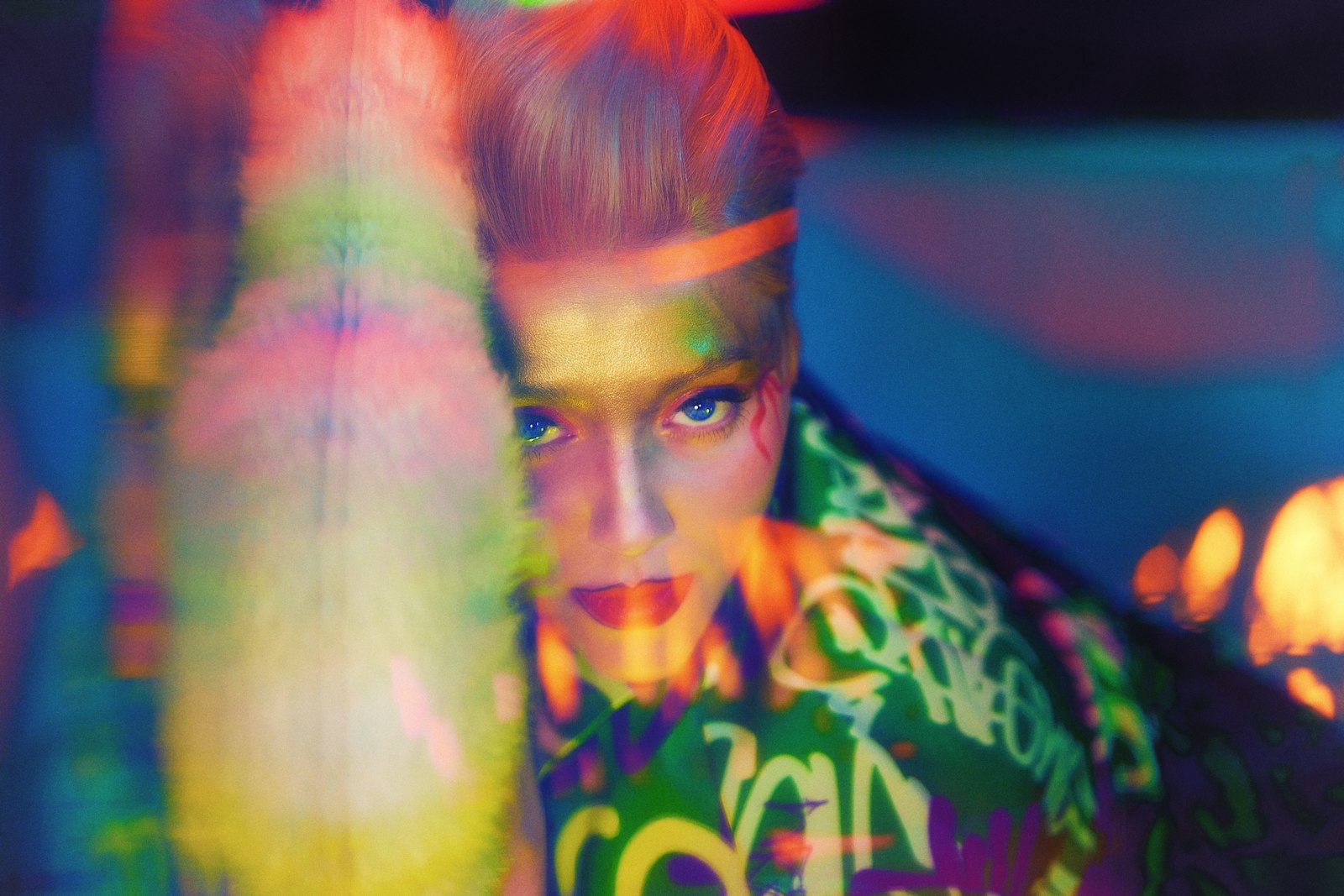
Artificial intelligence is already transforming the modeling industry — and this is not a forecast, but a fact for the years 2025–2026. Virtual AI models earn up to €10,000 per month, brands like H&M and Mango are launching campaigns with digital models, and the virtual influencer market is projected to grow from $6 billion to $46 billion by 2030. Meanwhile, real models and unions are advocating for protection: in New York, a law on consent for 'digital copies' is already in effect. Let's delve into what's really happening, with figures and sources — and what it means for those working or aspiring to work as models.
AI Models Are Already Earning Real Money
A virtual model is an AI-generated character with its own account, promoting brands like a live influencer. Notable examples include:
- Aitana López — the first Spanish AI model (agency The Clueless), with about 343,000 followers. According to Euronews, she earns up to €10,000 per month (averaging ~€3,000), and is the face of a sports nutrition brand.
- Lil Miquela — ~2.6 million followers, collaborated with over 90 brands (Prada, Calvin Klein, Samsung, BMW). Transparency is key: the widely cited figure of '$10 million per year' is unverified; according to trackers, her sponsored Instagram posts brought in about $73,900 over a year — much more modest than the legend.
- Lu do Magalu (Brazil) — the world's largest virtual influencer; estimated earnings are about $2.5 million per year (74 sponsored posts).
- Shudu (worked with Balmain and Fenty Beauty), Imma (Adidas, Burberry, IKEA), Noonoouri (Dior, Versace; signed a contract with Warner Music in 2023).
The virtual influencer market, according to Grand View Research, is expected to grow from $6.06 billion in 2024 to $45.88 billion by 2030 — an average annual growth of about 40%. Russia also has a case: the virtual ambassador 'Em.Vi' at M.Video (launched in 2023) wrote over 2,700 blog materials for the brand and, according to the company, reduced video editing costs by 2.5 times.
Brands Are Turning to AI Models — and Facing Pushback
Major brands are already testing generative models in campaigns:
- Levi's × Lalaland.ai (2023) — a pilot of 'AI models for diversity.' After criticism ('you are cheapening inclusivity instead of hiring real diverse people'), the brand stated that AI will not replace live shoots.
- H&M 'digital twins' (2025) — the most important case. The brand creates AI copies of 30 real models, but models retain rights to their digital likeness, can license it, and receive payment for each use, as they would for a regular shoot. The first denim campaign was released in the summer of 2025.
- Mango (2024) — the first fully AI-generated advertising campaign for the Mango Teen line across 95 markets.
- Guess in Vogue (2025) — the first major AI image in print Vogue (with a small note 'AI-generated'). It sparked controversy: a critique video garnered over 2.7 million views.
Technically, tools like Lalaland.ai and Botika make this possible: upload an item — get a ready-made photo 'on a model' in seconds, saving on shoots.
What This Means for Real Models
The key shift is that a model transforms from 'the face in a shoot' to a licensable digital asset. Platforms like Kartel.ai have emerged, where a model creates a digital copy, and brands 'hire' it for a fee. The H&M model (own your twin + get paid for each use) is a viable scenario for the future.
Risks are also real: an AI model 'requires no fee, flights, or breaks,' so the fear of displacing live models is justified. A fair caveat: there is no solid figure on 'how many jobs have already been lost' in open sources — only qualitative assessments, so don't trust articles that cite specific percentages.
The industry is responding with regulation and unions:
- New York Fashion Workers Act — effective June 19, 2025, requires written consent from a model for the creation and use of their 'digital copy,' specifying payment and duration. The first industry standard.
- Model Alliance founder Sara Ziff warns: technologies digitize people 'often without clear standards of consent and compensation.' The British union BECTU opposed H&M's AI twins.
The Fashion Industry and AI: Figures
Data from the McKinsey and Business of Fashion 'The State of Fashion 2026' report highlights the scale:
- Over 35% of fashion executives are already using generative AI (images, texts, customer service).
- Generative AI could add $150–275 billion in operating profit to the fashion and luxury sector over 3–5 years.
- By 2030, up to 30% of working time in fashion (Europe and the US) could be automated — yet up to 90% of AI initiatives do not progress beyond the pilot stage.
- Virtual try-on reduces returns by 15–25% — while more than 30% of online fashion orders are returned.
Estimates of the 'AI in fashion' market size vary widely (from ~$2 billion to tens of billions) depending on market boundaries, but the average annual growth in all forecasts is 31–40%.
What's Next: Trends for 2026
- Mandatory labeling of AI content. Article 50 of the European EU AI Act from August 2, 2026, requires machine-readable labeling of generated content. This directly affects AI campaigns by brands in the EU market.
- Hyper-personalization and 'agent' shopping. According to BoF, 41% of consumers already trust generative AI search results more than advertising.
- 'Premium for a live person.' The more synthetic content there is, the more valuable authenticity becomes — real models with charisma and stories have an advantage where AI falls short.
What Models Should Do Now
- Control your digital likeness. If offered a 'digital twin' — demand written consent, payment for each use, and time limitations (as in the H&M model).
- Focus on authenticity and UGC. A live person who can hold their own on camera and engage with an audience outperforms synthetic in advertising and UGC content — and parameters are almost irrelevant there.
- Be active and visible. Respond to model castings, keep up with the latest shoots on the Telegram channel @getmodelcom and fill out a model profile so clients can find you.
Frequently Asked Questions
Will AI replace live models?
Completely — unlikely in the foreseeable future. AI is taking over some catalog and advertising shoots, but demand for authenticity is growing, and regulations (New York law, EU AI Act) protect model rights. The role of the model is more likely to transform than disappear.
How much do AI models earn?
Top virtual influencers earn from several thousand (Aitana López — up to €10,000/month) to millions of dollars per year (Lu do Magalu — estimated ~$2.5 million). However, many headline figures are tracker estimates, not confirmed financial reports.
What is a model's 'digital twin'?
This is an AI-generated copy of a real model's appearance. In a proper scheme (like H&M's), the model retains rights to their likeness and receives payment for each use — essentially licensing their appearance.
How can a model protect themselves from AI using their face?
Demand written consent for a 'digital copy' specifying payment, purposes, and duration — this is exactly what the New York Fashion Workers Act of 2025 enshrines. Do not sign vague terms about 'any use.'
Sources
Data collected from open sources: McKinsey × Business of Fashion, The State of Fashion 2026, Grand View Research (virtual influencer market), Euronews (Aitana López), CNN (H&M and Guess/Vogue), Levi Strauss & Co, OnLabor (New York law), EU AI Act, Article 50. Some figures on AI influencer earnings are tracker estimates, not official reports.