Building a Model Portfolio That Opens Doors
The fashion modeling scene thrives on sharp visuals and smart presentation. A solid portfolio can turn heads at agencies and land you gigs you never imagined. I've spent years covering this world as a fashion editor, and I've seen fresh faces break through with just a handful of well-chosen shots. Take the shift from the 1990s, when stars like Cindy Crawford carried thick binders to meetings. Now, everything's online, but the basics haven't changed much. Your images need to scream personality and range. In this guide, I'll walk you through the steps, drawing from real careers like Gigi Hadid's rise from small-town shoots to global runways. The modeling business hit $20 billion worldwide in 2023, per Statista data. That means standing out matters more than ever. Let's get into what makes a portfolio work.
Defining the Model Portfolio and Its Power
A model portfolio collects your best photos, body measurements, and career highlights into one package. It's your pitch to anyone who might book you, from photographers to brand directors. Beginners often kick off with simple test sessions, while pros like Kendall Jenner pack theirs with Vogue editorials and Estée Lauder ads after her 2014 jump from TV. First impressions rule here. A 2022 Model Alliance survey found 85% of casting teams check portfolios before calls. Bella Hadid, signing with IMG in 2014, got her Tom Ford break thanks to early horse-themed images that showed her edge.
Portfolios adapt to your style. High-fashion types lean on dramatic editorials. Commercial models go for everyday appeal in ads. Diverse talents like Adut Akech push for representation, pulling in Valentino work. The point? Prove you can switch from polished glam to raw natural looks. I always tell new models to think of it as a story of what you offer.
How Model Portfolios Have Changed Over Time
Back then, everyone lugged physical books around. The digital boom hit in the early 2000s, sped up by agencies going online. By 2010, Instagram changed the game. Emily Ratajkowski's 2013 Sports Illustrated feature went viral and built her book overnight. Now, mixes work best: PDFs for quick sends, printed versions for in-person meets. The International Model Management Union says digital setups snag 30% more jobs quicker. On getmodel.com, we've tracked over 50,000 profiles since 2015, starting simple and growing big.
Key Pieces Every Model Portfolio Needs
Put thought into each part. Start with top-notch photos, add your stats, and end with how to reach you. Nothing feels random; it all ties together.
Photos That Drive It All
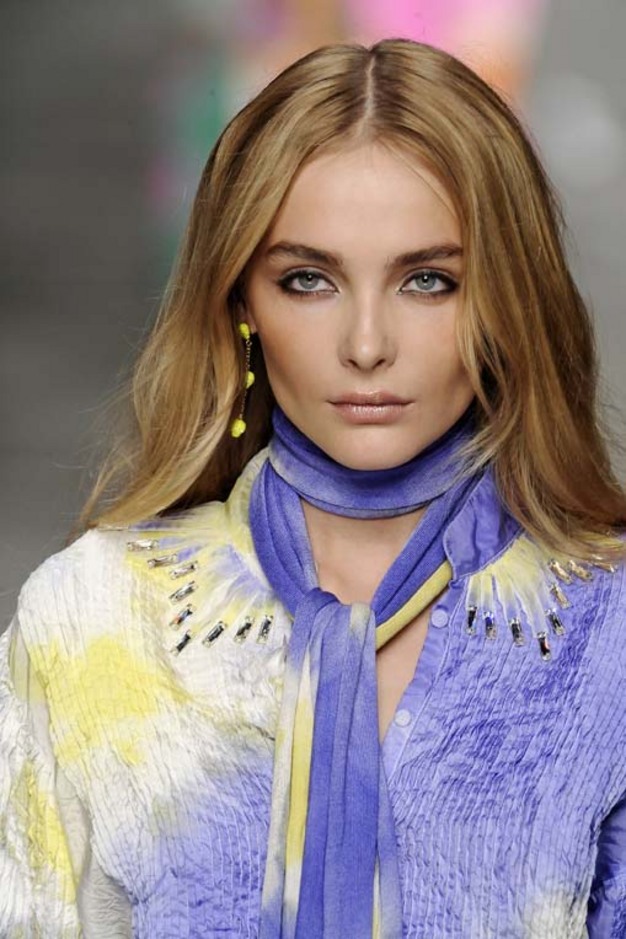
Images form the backbone. Pick 10 to 20 that highlight your strengths: close-ups, full views, and creative setups. Skip phone pics; go pro every time. Hailey Bieber's early tests in 2017 led straight to Vogue.
- Headshot: Bare face, straight stare, no distractions.
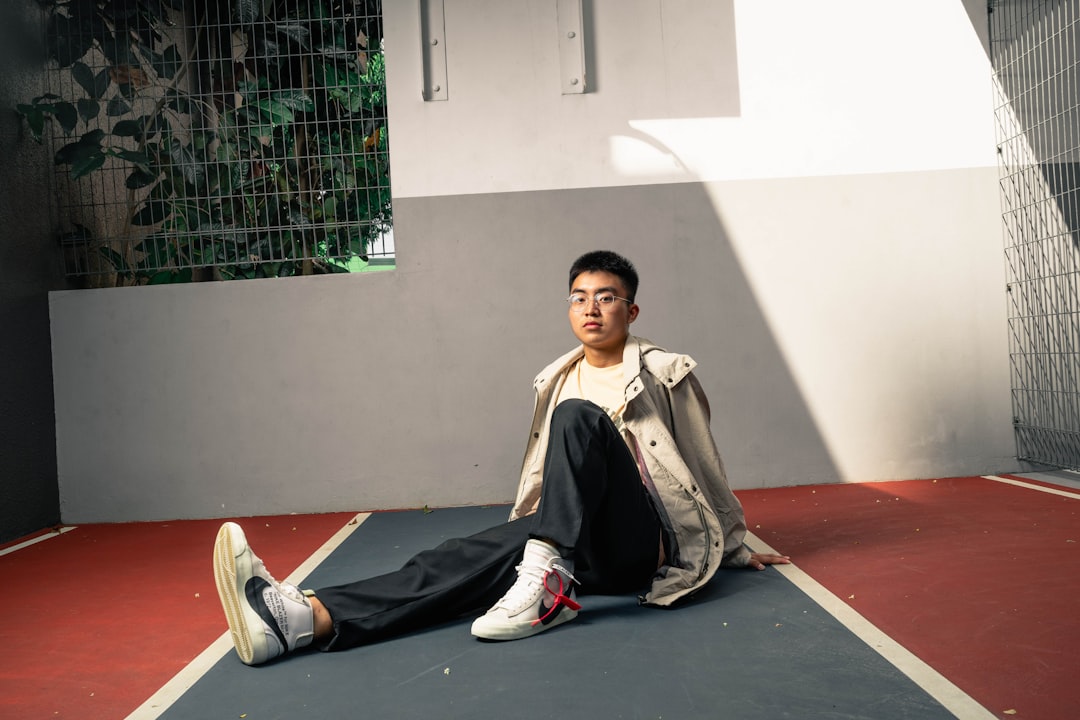
- Full shot: Basic clothes to show your build. Karlie Kloss nailed Victoria's Secret spots in 2011 with her 6'2" lines on display.
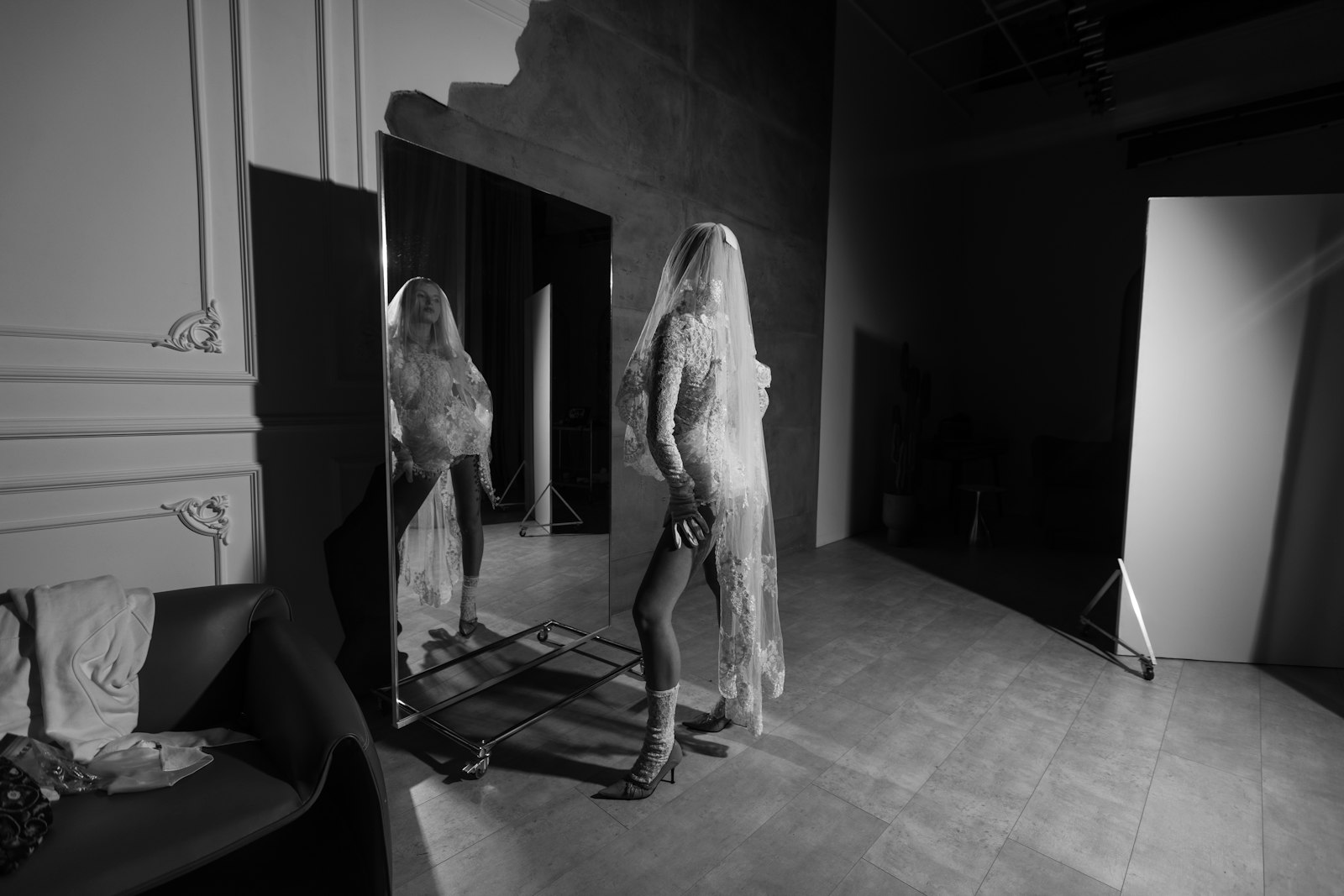
- Editorial: Bold styling, like Kate Moss in those 1990s Calvin Klein ads.
- Commercial: Friendly smiles for everyday brands.
- Swim or lingerie: Only if it fits your path, kept classy.
Shoot in good light, plain settings. Keep edits light; aim for 300 DPI prints. Fashionista's 2023 report points out varied angles help land 40% more mixed gigs.
Stats and Measurements You Can't Skip
List height, bust-waist-hips, shoe, hair, eyes, dress size. Guys, include chest, waist, inseam. Be exact; checks happen. Liu Wen's clear details helped her Victoria's Secret debut as the first Chinese model in 2009. Toss in past work, like runways or classes. One page, that's it.
Contact Details and Agency Ties
Add email, phone, site, socials, and agency name if you have one. Look at getmodel.com's agency directory for ideas. Unsigned? Note open casting availability.
Making a Comp Card That Sticks
A comp card shrinks your portfolio to one or two sides, perfect for dropping at auditions. Standard 8.5x11 on thick paper. Front gets headshots, one smile, one intense, plus full body and stats. Back holds extra pics and history. Keep designs clean; Canva or InDesign does the trick. Prints run $50 to $200 for 100 from Vistaprint. Refresh every three months. Adriana Lima kept hers current over her 1999-2018 Victoria's Secret run. Digital PDFs shine in 2024, easy to share on getmodel.com. Avoid text overload or blurry shots. The Model Manual's 2022 study says pros with sharp comps get 25% more first chats. I like seeing four to six photos max; it feels focused.
Picking Photos That Fit Your Vibe
Choosing shots takes gut instinct. Stick to recent work, under two years, unless it's a standout. Cara Delevingne blended grit and grace in her 2012 Burberry start. Show you can handle different moods.
Teaming Up with Photographers
Try TFP deals, trading time for prints. Model Mayhem links you up. Paid gigs cost $500 to $2000. Pick folks with Harper's Bazaar credits. Check their past work first. Talk ideas ahead, like city streets or clean studios. Get signed releases. Kaia Gerber credits loose collabs for her builds, even with her mom Cindy's network.
Editing and Lining Them Up
Match tones across shots, skip heavy filters. Order smart: Strong opener headshot, close with flexible fulls. Lightroom works for tweaks. Mix in different backgrounds and poses. Gisele Bündchen added green themes after 2010, tying into her $400 million net worth from the 2000s peak.
Going Digital to Boost Your Portfolio
By 2024, online matters as much as prints. Set up a Squarespace site for $12 a month, or lean on Instagram, where Kendall Jenner hit 1 million followers by 2014. Link to getmodel.com for trust. Use high-res albums, not slides. Add search terms like "model portfolio tips." Post often, check Google Analytics. Share shoot behind-scenes, follow fashion rankings. Bella Hadid's 50 million Instagram fans pushed her to Dior roles. Watermark to stop steals; Digimarc tools help. I worry about over-sharing, but it pays off if managed.
Tailoring Tips for Your Model Type
Adjust based on your lane. Runway folks stress tall frames and stride clips. Commercial needs warm, real expressions. Lingerie calls for bold confidence, Adriana Lima style.
For starters, gather five to 10 basics. Pros build to 20-plus, with press clips. Karlie Kloss updated in 2015 for her coding initiative, mixing poses with purpose. Plus-size or varied reps spotlight self-love. Adut Akech drew on her 1993 South Sudanese roots for 2017 Valentino shows. Each path demands its own spin; don't copy blindly.
Mistakes That Trip Up New Portfolios
Heavy edits make you look fake. Sticking to one style bores viewers. Skip outside input at your peril. IMG's 2023 report blames 60% of no-gos on weak variety. I once saw a book full of identical smiles; it went nowhere. Test with friends or pros before finalizing.
Learning from Stars' Portfolios
Look at Gigi Hadid's start with Ford in 2011: Casual beach shots grew into Versace walks, all in 15 images showing range. Naomi Campbell, spotted at 15 in 1987, stacked fierce editorials for over 500 covers. Her cards highlighted 5'10" height and intensity.
Kate Moss shook things up in the 1990s with slim, black-and-white Face magazine shots; her real self sold it. Cara Delevingne added fun to high-end from 2011 Mulberry to 2012 Chanel. Emily Ratajkowski's 2013 video clip fueled her Inamorata line. Gisele shifted from 1990s swimsuits to 2020s health vibes, earning 20 million yearly at top. Peek at these on getmodel.com; they evolve constantly.
One thing strikes me: Authenticity wins. These women owned their quirks, and it paid.
Step-by-Step Plan to Create Yours
Start by measuring up professionally. Check agency directory for ideals, like 5'8" to 6'0" for women. Schedule three to five shoots, $1000 budget at first. Cover natural, dressy, active themes.
Pick 12 keepers, retouch for $50 each. Design your comp with templates, print 200. Launch the site, tweak for searches. Hit castings, pitch to scouts. Add fresh stuff every quarter, log bookings. Get notes from classes or groups. Takes three to six months for newbies. Startup runs $2000 to $5000. Forbes 2023 says strong ones bring $50,000-plus yearly.
Handling Costs and Finding Help
Break it down: $1500 for photos, $300 prints, $200 yearly site. Freebies include YouTube how-tos and getmodel.com tips. Study top portfolio lists for sparks.
Legal side: Own your copyrights, grab releases from subjects. EU folks, follow GDPR online rules since 2018. I suggest a quick lawyer chat if international.
Keeping Your Portfolio Fresh Over Years
Once done, don't let it sit. Store old files, swap for seasons. Hailey Bieber tweaks twice a year, tying into her 2022 Rhode skin line. Add short videos for TikTok scouts. It stays alive with effort. Pros treat it like a journal, always adding chapters.
Your First Steps Toward Booking Gigs
Investing in a portfolio mixes art and hustle. From comp cards to web setups, it builds your path. Icons prove it: Start small, stay true, keep pushing. With the right mix, you'll see doors swing open. I've watched it happen time and again.