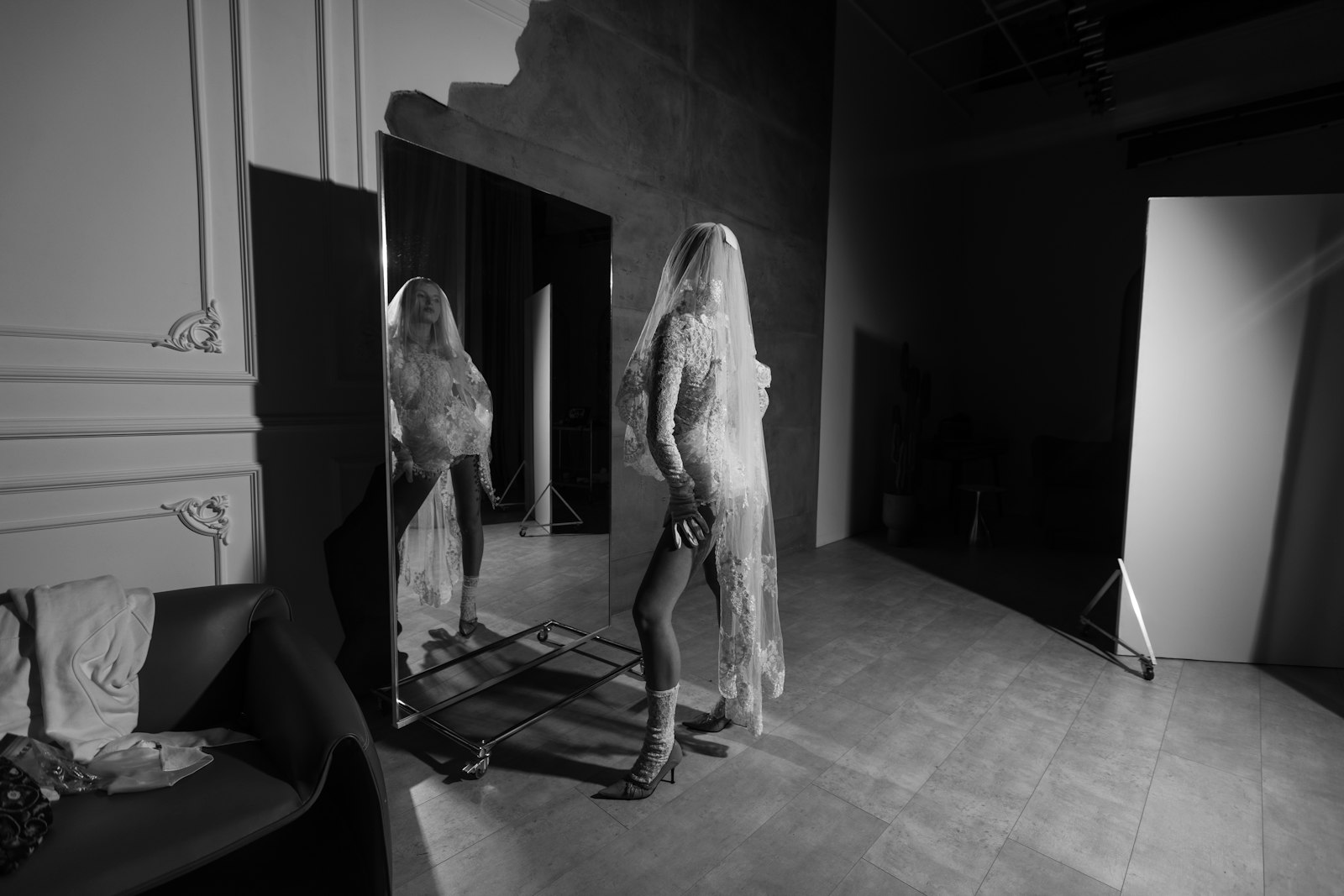
You can build a modeling portfolio from scratch with zero budget: start with digitals — honest, unretouched phone photos shot in daylight, no makeup — then add 8–12 varied shots from TFP test shoots, where the photographer and model both work for free to get images they can each use. A strong beginner's book doesn't show pretty pictures; it shows what you actually look like and how many different ways you can carry yourself on camera. Below, we cover exactly what to shoot, how many photos you need, how to find a photographer, and the mistakes that most often ruin a first portfolio.
What a Modeling Portfolio Is and Why You Need One
A modeling portfolio — called a book in the trade — is the set of images agency bookers, casting directors, and clients use to decide whether you fit a particular job. Think of it as a visual résumé: not a gallery of flattering photos but a working tool that honestly, and still flatteringly, shows your look, your proportions, and your range. When you're figuring out how to become a model, the book is the first thing a modeling agency or a client at an open casting will ask to see.
From the start, it helps to separate two formats. A book is a curated set of professional shots, often from different photographers and different looks. Digitals are raw test images that show you as you are, with nothing dressed up. A new model needs the digitals first; the full book comes together gradually, one shoot at a time.
What your book should look like depends on the direction you're aiming for. Commercial work rewards lively expression, a natural smile, and someone the viewer believes, so you want warm, approachable shots. Fashion and editorial care more about strong lines, unusual texture, and the ability to hold a difficult pose. Decide where you're headed and pick your images to match: a do-everything book almost always loses to a focused one built for a specific goal.
Digitals and Snaps: Where Every Portfolio Starts
Before you think about a studio, put together your digitals (also called snaps or polaroids) — the most honest shots possible, with no makeup, no styling, and no retouching. Agencies want exactly these raw images, because they reveal your real skin, shape, and features rather than the work of a makeup artist and Photoshop.
A minimum set of digitals:
- A close-up of your face, straight on — with a slight natural smile and without one;
- Your face in profile, ideally from both sides;
- Full-length — front, side, and back;
- A waist-up shot so your shoulders and posture read clearly;
- Optionally, a close-up of your hands and of your smile.
Wear something fitted and solid-colored: jeans and a simple top, and for women a swimsuit shot is often added to show proportions. Keep your hair down, the background neutral, and the light natural from a window. You can shoot all of this on a phone in half an hour. It's the digitals, along with current height and measurements, that go to an agency first — ahead of any polished photos.
Shoot vertically, with no filters and no cropping, and label the files with a recent date so the agency can see the shots are current. Many agencies have their own digitals requirements, right down to the exact angles and clothing, so check their site before you send anything: if they spell out a format, follow it rather than generic advice from the internet.
How to Build a Book from Scratch with No Budget: TFP and Test Shoots
A full book is built on test shoots. The most accessible option for a beginner with no money is TFP (time for print): the photographer and model don't pay each other but trade time, and each walks away with finished images for their own portfolio. Beginners and experienced models alike fill out their books this way.
Where to find test-shoot partners:
- Photographers building their own portfolios — they already have an eye but need fresh faces;
- Photography students and makeup artists who also need images for their work;
- Small teams — photographer plus makeup artist plus stylist — putting together a joint test.
Before the shoot, always look at the photographer's finished work, not just a profile picture: you want someone who can shoot people, not only landscapes or product. Agree in writing ahead of time on how many edited shots you'll get, by when, and how each side may use the photos. That heads off most future disputes.
A word on safety, which matters most for a beginner. Hold your first shoot with an unfamiliar photographer in a real studio rather than a rented apartment, and don't hesitate to bring someone along. If you're pushed toward nude or racy photos "for the portfolio" from the first frames, treat it as a red flag: a respectable beginner's book comes together without nudity. Trust your gut and don't agree to anything that makes you uncomfortable.
How Many Photos and Which Shots You Need
The working rule for a new model is 8–12 strong shots, not thirty similar ones. A booker flips through a book in a few seconds, and a dozen identical waist-up portraits in one look will hurt you more than help. Fewer but more varied is better. Aim for something like this:
- Beauty close-up — a clean portrait that shows your face and skin;
- Full-length — shows your proportions and posture;
- Different looks — at least two or three: a basic everyday look, something tailored or evening, and editorial if you can manage it;
- Movement and energy — a stride, a turn, real emotion, not just static poses;
- A couple of shots that bring out your personality and type.
Phone or studio? For digitals, a smartphone and daylight are enough. For the book, a planned shoot with proper lighting is better, but the result comes from how the photographer works with pose, light, and emotion, not from the gear. A lively shot from a beginner on a DSLR beats a lifeless studio portrait.
Order matters too. Put your strongest portrait first and your second-strongest last: the opening and the closing of a book are what stick. In between, alternate framing and looks so the eye doesn't glaze over on lookalike shots, and cut anything weaker than the photos around it without regret.
Comp Card, Digital Portfolio, and Where to Keep It All
Once you've gathered a dozen worthy shots, put together a comp card (also called a sed card) — a postcard-size card with your best portrait on the front and, on the back, 3–4 varied shots plus your name and key measurements. You bring the comp card to castings and leave it with the client.
These days almost everything lives online, so set up a digital portfolio — a tidy folder or page whose link you can send in a single message. A well-run social media profile pulls its own weight, too: for many clients it has become a second book, and for the most visible models the audience turns into an asset in its own right, like the names on our social stars rankings. With a finished book and a comp card, you can apply to castings and submit to agencies.
Beginner Mistakes and How to Keep a Portfolio Current
Common slip-ups in a first book:
- Over-retouching. Airbrushed skin and a plastic-looking face keep an agency from assessing you — honesty beats smoothness;
- Ten near-identical shots. One look, one pose, one light makes a book look thin;
- Only one look. With no range, it's unclear what jobs to call you for;
- Outdated photos. If your appearance has changed noticeably, the shots mislead people from the outset.
A portfolio is a living tool. Refresh your digitals every few months or after any noticeable change — a haircut, weight, hair color — and drop weak shots without regret: a strong eight-photo book beats a bloated thirty-photo one. As you gain experience, swap tests for real images from actual jobs, so the book grows along with you.
Frequently Asked Questions
Can you build a modeling portfolio on a phone?
Yes. Digitals are shot on a smartphone in daylight with no editing on purpose — those honest images are exactly what agencies want. A full book later adds shoots with a photographer, but you can absolutely start with just a phone.
How many photos should a beginner model's portfolio have?
8–12 strong, varied shots are plenty. A mix of looks and framing matters more than volume: a few expressive photos work better than three dozen similar ones.
What is a TFP shoot?
TFP (time for print) is an arrangement where the photographer and model don't pay each other but trade time, and each gets finished images for their portfolio. It's the most accessible way to build a book with no budget.
How do digitals differ from a portfolio?
Digitals are raw test shots with no makeup or retouching that show you as you are. A portfolio (book) is a curated set of professional shots across different looks. You send an agency the digitals first and build the book gradually.
Does a beginner need a comp card?
It's worth making a comp card once you have at least 4–5 worthy shots in different framings. It's a handy card with a portrait, your measurements, and a selection of photos that you leave with a client at a casting.