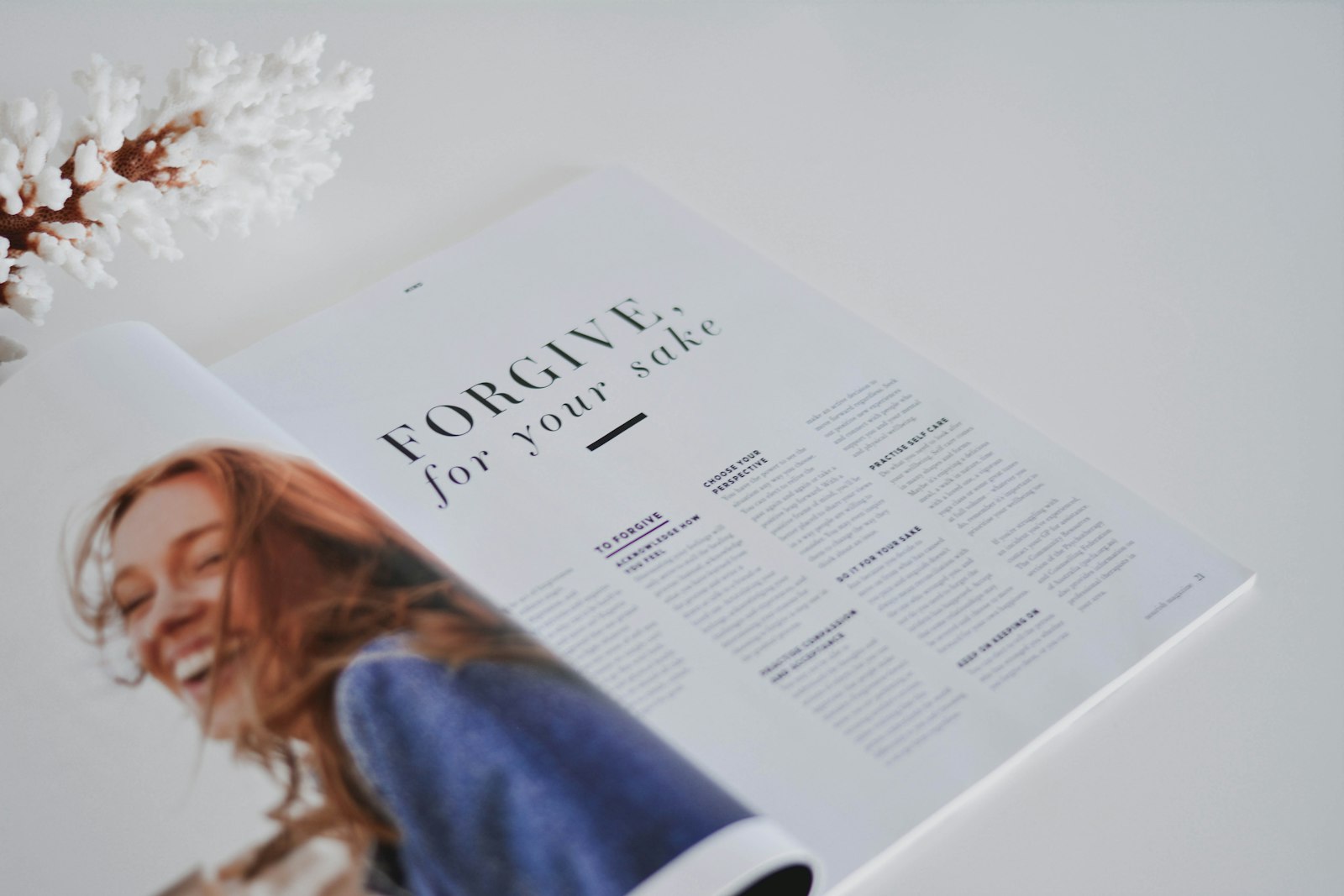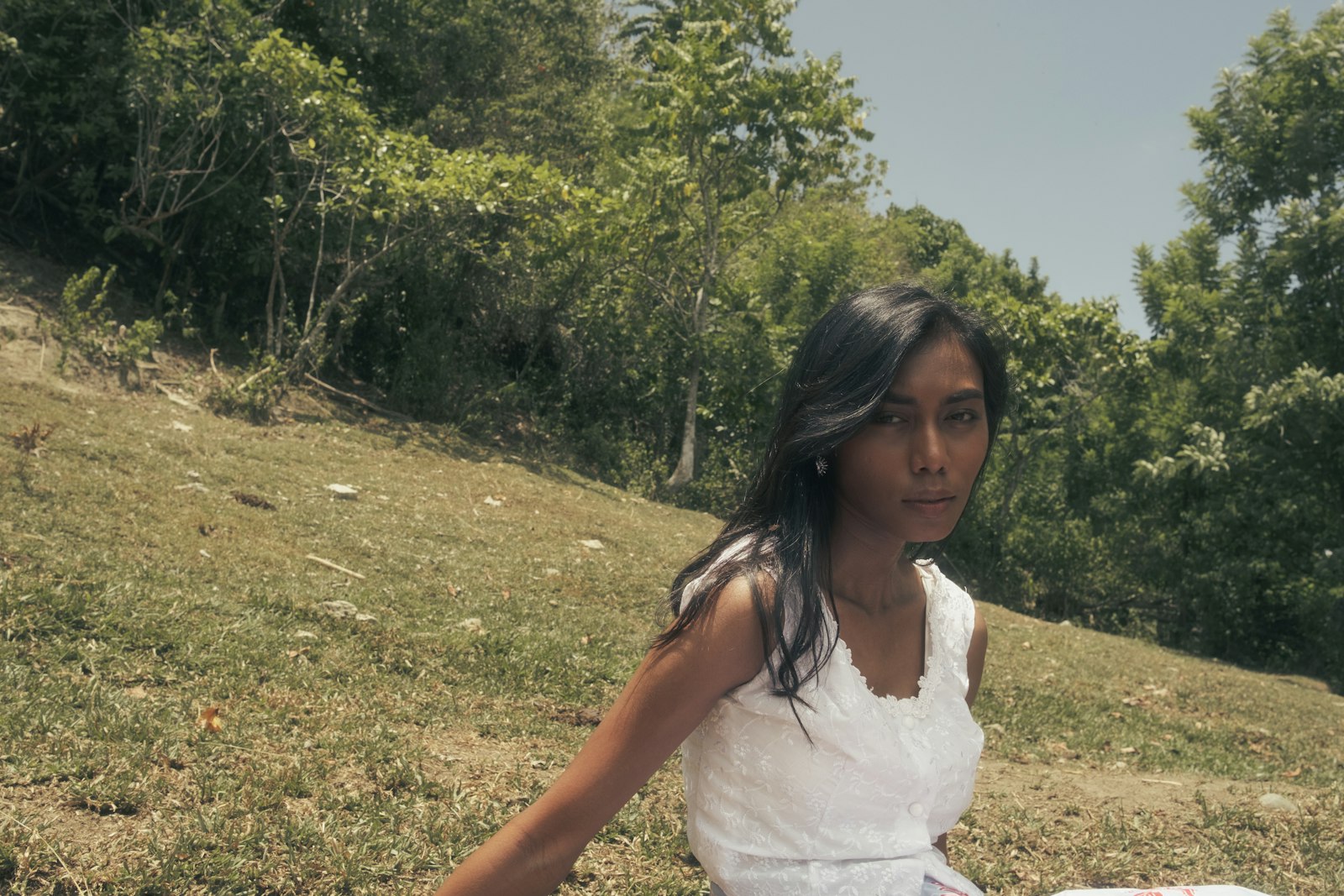
Hybrid modeling describes a working pattern that has become common across fashion and advertising: a model builds a career that lives in two places at once. One part is physical — studio shoots, runway, fittings, and in-person castings. The other is digital — a polished online presence, content made for social platforms, and increasingly some form of virtual or AI-assisted likeness. The two halves feed each other. A strong physical portfolio still opens doors, but the digital footprint is often what keeps a model bookable between jobs.
This shift did not happen overnight, and it did not replace traditional work. Editorial shoots, campaigns, and catwalk shows still anchor the business. What changed is that clients now expect models to bring an audience, a content habit, and a usable digital identity along with their look. Understanding how the physical and digital sides connect is the practical skill that separates models who get rebooked from those who do not.
What Hybrid Modeling Actually Means
At its simplest, hybrid modeling means treating your physical work and your digital presence as one career rather than two separate efforts. A campaign might begin with a one-day studio shoot and end with weeks of social content, behind-the-scenes clips, and short videos cut from the same set. The client gets a single shoot that serves print, web, and social channels at once. The model becomes part of the distribution, not just the image.
The digital side now covers several layers. The most familiar is social media: a feed that shows range, professionalism, and a consistent look. Beyond that, some models maintain a digital likeness — a scanned 3D version of themselves, or an avatar — that brands can use for virtual try-on, gaming, or online stores. A smaller group works almost entirely in computer-generated imagery, lending their face or body to digital fashion that never exists as a physical garment.
None of this removes the need for craft. Posing, light awareness, movement, and the ability to take direction still decide whether a shoot works. Hybrid simply means those skills now travel across formats. A model who understands both the physical set and how the final image will be used online is more useful to a client than one who only knows how to stand in front of a camera. If you want to see how working models present range across formats, browse the model directory.
The Physical Foundation Still Comes First
It is tempting to think the digital side can replace the in-person grind. It cannot. The physical foundation — a clean, varied portfolio shot by capable photographers — is what agencies and clients judge first. A polished feed with no real shoot experience behind it tends to fall apart in a professional setting, where the model has to deliver under time pressure, adjust to a stylist, and hold a pose while a team works around them.
Physical work also produces the raw material that the digital side depends on. Test shoots, editorials, and campaigns generate the images and footage that fill a feed and prove credibility. Without real sets, a digital presence becomes thin and repetitive, which clients notice quickly. The best hybrid careers tend to be built on a steady stream of in-person bookings that are then repackaged for online use.
For anyone starting out, the order of operations matters. Secure proper test shoots, build a portfolio that shows different looks and moods, and learn how a set runs before worrying about avatars or follower counts. Agencies remain a central part of this, since they vet clients, negotiate terms, and protect models from exploitative deals. You can read more about the structure of representation in the section on how agencies work, and a practical starting sequence is laid out in our guide on how to start a modeling career.
Digital Likeness, Avatars, and Virtual Work
The newer end of hybrid modeling involves a digital version of the model. This can be as simple as a 3D body scan used for sizing and virtual try-on, or as involved as a fully rigged avatar that brands animate for online campaigns, virtual fashion, and games. In these projects, the model's likeness becomes an asset that can be used without them being physically present.
This raises practical questions that did not exist a decade ago. Who owns the scan? For how long can a brand use it, and across which platforms? Can the likeness be altered, and does the model approve each use? These are contract issues, not technical ones, and they are where models most often get taken advantage of. A digital likeness can be reused far more easily than a one-time photo, so the terms around it deserve careful attention.
Virtual work also blends with AI tools that can generate or modify imagery. Some clients use these tools to extend a shoot, change a background, or adjust styling after the fact. Others build entirely synthetic models. For working talent, the sensible position is to stay informed, read what you sign, and treat your likeness as something you license rather than give away. We cover the broader technology shift in our piece on how AI is changing the modeling industry.
Building a Digital Presence That Helps You Get Booked
A useful digital presence is not the same as a large one. Clients and bookers care less about raw follower numbers than about whether the feed reads as professional and shows the model in the kind of work the client wants to produce. A focused account that demonstrates range, clear features, and a consistent aesthetic does more for bookings than a scattered account chasing trends.
A few habits tend to make a digital presence genuinely useful:
- Show real work. Lead with editorial, campaign, and test images rather than only selfies. The goal is to prove you can deliver on set.
- Keep a consistent look. A recognizable tone in lighting, color, and styling helps clients picture how you fit their brand.
- Include movement. Short video clips show how you carry yourself, which still images cannot.
- Stay reachable. Make it obvious how an agency or client can contact you or your representation.
- Respect the client's content. Follow any rules about when and how campaign material can be posted.
The point is to make a booker's decision easy. When someone lands on your profile, they should quickly understand what you look like across different setups, what kind of jobs you have done, and how to reach you. A digital presence built that way supports the physical work rather than competing with it for your attention.
Risks, Rights, and Staying in Control
The hybrid model carries real risks that traditional work did not. The biggest is loss of control over your image. A photo from a single shoot is limited by what was captured that day. A 3D scan or trained likeness can be reused, reposed, and recombined in ways you may never have agreed to. Once a digital asset of you exists, it is far harder to claw back.
Reading contracts carefully is the main defense. Look for how long a likeness can be used, on which platforms, in which regions, and whether the usage is exclusive. Watch for clauses that grant broad rights to modify your image with AI or to license it onward to third parties. If a deal asks for a perpetual, worldwide right to your digital likeness with no clear limits, treat that as a reason to slow down and get advice.
Working with reputable representation reduces these risks, because experienced agents know which terms are standard and which are not. Keeping your own records also helps: track which clients hold scans of you, what each agreement allows, and when usage rights expire. The hybrid era gives models more ways to earn, but it also asks them to think like the owner of a small business that licenses its main asset — their own image — rather than simply showing up and being photographed.
Frequently Asked Questions
Do I need a digital avatar to work as a hybrid model?
No. Most hybrid work is still built on physical shoots plus a professional online presence. A formal digital avatar or 3D scan only matters for specific projects, usually brand campaigns or virtual fashion. Focus first on a strong portfolio and a clear, professional feed.
Will AI and virtual models replace human models?
It is more accurate to say AI is becoming another tool clients use, alongside human talent, rather than a full replacement. Many projects still need a real person on set for credibility, movement, and the ability to take direction. Synthetic and human work increasingly run side by side.
How do I protect my likeness if a brand wants to scan me?
Treat your likeness as something you license, not something you give away. Before agreeing, get clear written terms on how long the scan can be used, on which platforms and regions, whether it is exclusive, and whether your image can be altered. Reputable representation can help you assess whether the terms are fair.
Does a large social following matter more than a strong portfolio?
A strong portfolio still comes first. Bookers want to see that you can deliver on set, which a feed of selfies cannot prove. A focused, professional online presence supports your physical work, but it does not replace the test shoots and editorials that establish your craft.
How should a beginner start with hybrid modeling?
Build the physical foundation before the digital one. Arrange proper test shoots, learn how a set runs, and assemble a portfolio that shows range. Then turn that real work into a clear online presence. Working with a legitimate agency early helps you avoid bad contracts as digital projects appear.