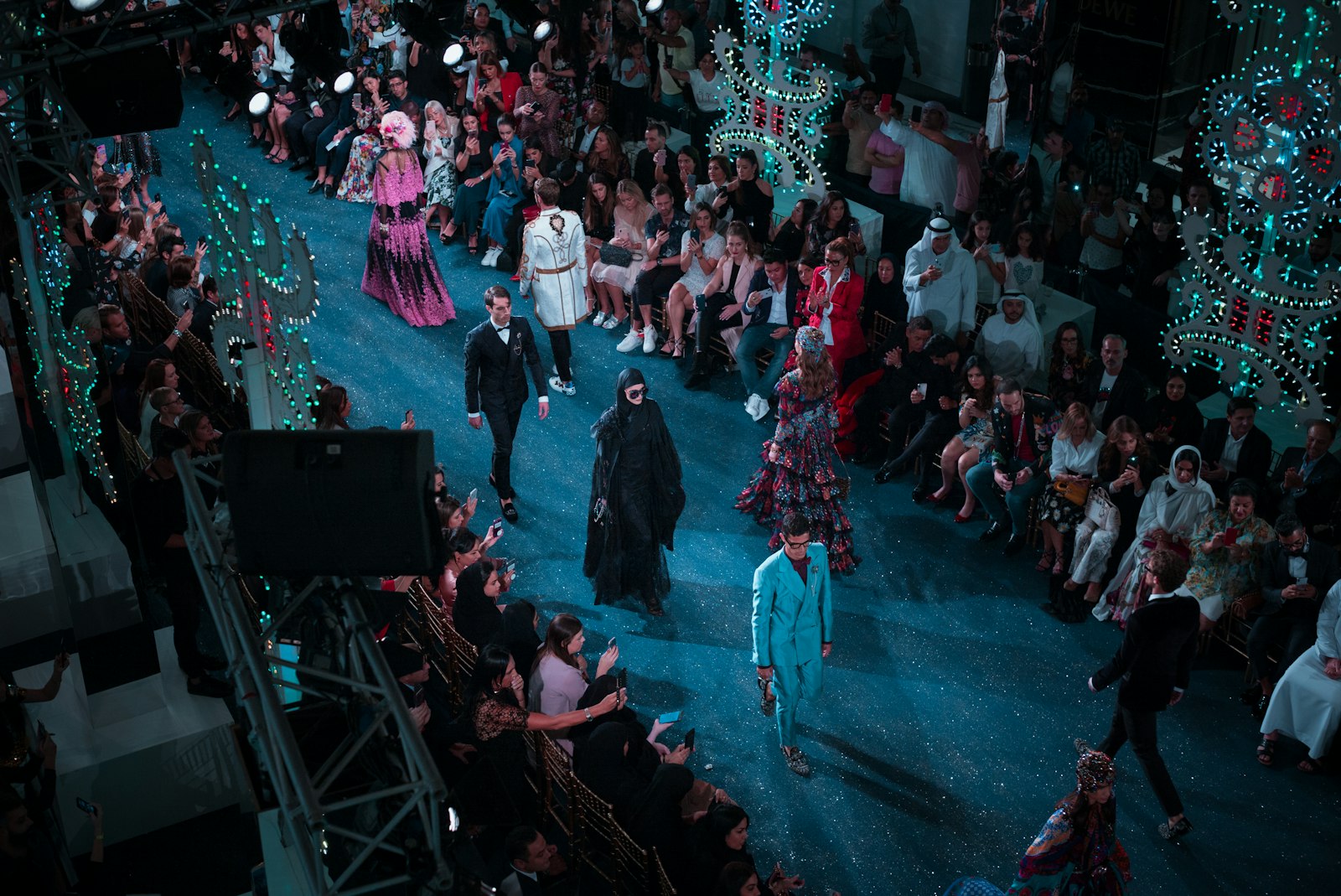
Models get told to "be on social media" as if that settles anything. It doesn't. TikTok and Instagram are built on different mechanics, attract different audiences, and reward different kinds of content — which means defaulting to both without a strategy usually means doing neither well. Here's what each platform actually does for a modeling career, and where the real trade-offs sit.
What each platform is built for
Instagram is a portfolio. It stores your work, shows your range, and lets agencies, clients, and casting directors scroll through your aesthetic in about thirty seconds. The grid still matters. Stories and Reels get engagement, but the first thing a booker does when they pull up your profile is look at the grid — your look, your consistency, whether you photograph well across different styles. Instagram rewards curation over volume.
TikTok is a broadcasting tool. The algorithm distributes content to people who don't follow you, which means a single video can reach tens of thousands of viewers who had no idea you existed. That's a genuinely different proposition. You're not maintaining a portfolio; you're performing in front of an unpredictable, rotating audience. The catch is that TikTok's audience skews young and entertainment-first, which is useful for some modeling niches and nearly irrelevant for others.
Where Instagram still has the edge
Industry relationships
The fashion industry runs on Instagram. Agencies, brands, photographers, and stylists all use it as a discovery tool. When a client at a mid-size brand is casting a lookbook and has a rough idea of the model type they want, they search hashtags and location tags on Instagram, not TikTok. This is especially true for editorial and commercial print work. If you're trying to connect with modeling agencies, your Instagram profile is what gets reviewed — not your TikTok.
Longevity of content
An Instagram post stays findable. A TikTok video from three months ago is essentially buried unless it keeps getting traffic. For models building a searchable body of work — different hair, body of work across multiple campaigns, range across editorial and commercial — Instagram's archive function is genuinely useful. Your profile is a living resume.
Collab and tag mechanics
When a photographer, agency, or brand tags you in a post, it shows up on your profile. That credibility is visible to anyone who looks you up. TikTok has tagging, but it doesn't accumulate the same way. A shoot with a reputable photographer adds something to your Instagram presence that's hard to replicate elsewhere.
Where TikTok actually wins
Discovery without existing followers
If you're starting from zero, TikTok's algorithm is far less punishing than Instagram's. Instagram increasingly rewards accounts that already have traction. TikTok will show your content to strangers based on watch time and completion rate, regardless of your follower count. For newer models who don't yet have the campaign credits or industry connections to grow an Instagram organically, TikTok offers a faster path to an audience.
Specific niches that travel well on short video
Fitness and activewear modeling, curve modeling, alternative and streetwear aesthetics, and anything adjacent to lifestyle content tend to do well on TikTok. Behind-the-scenes content from castings, prep videos, and "day in the life" formats all perform because they feel native to the platform. If your market is direct-to-consumer brands that sell to 18-30 year olds, TikTok reach translates more directly into brand interest than it does for, say, luxury or editorial.
Brand deal opportunities outside traditional modeling
TikTok has created a parallel economy where follower count and engagement rate drive brand partnerships that don't go through agencies at all. A model with 80,000 TikTok followers in a specific niche can command paid content deals directly with brands. These aren't always large sums, but they accumulate, and they can sustain a career in ways that traditional modeling income alone sometimes doesn't. This route requires thinking like a content creator, not just a model — which suits some people and genuinely doesn't suit others.
The case for using both — and the honest caveat
The obvious answer is "use both," and it's true, but it requires splitting your time and energy between two platforms that reward very different behaviors. Instagram wants polished, deliberate content that ages well. TikTok wants volume, authenticity, and speed. Trying to be excellent at both simultaneously is a real commitment.
A workable approach used by a lot of working models: treat Instagram as the professional anchor (the place where your book lives, where industry contacts find you, where your credits stack up) and TikTok as a broadcast channel used when you have something to say — a new campaign, a behind-the-scenes take, a genuinely interesting piece of content that works in video form. You don't have to post to TikTok daily for it to be useful. Occasional posts that hit can still drive meaningful follower growth and visibility.
What your market actually needs
The right answer depends heavily on what kind of modeling work you're pursuing.
- If you're targeting editorial, high fashion, or luxury campaigns, Instagram is where the industry lives. A TikTok presence doesn't hurt, but an agency reviewing your model portfolio is going to look at Instagram first, last, and mostly.
- If you're in commercial print, swimwear, or fitness modeling and your clients sell directly to consumers, TikTok reach can convert into brand interest more directly.
- If you're trying to land open casting calls, the platform matters less than having clean, current photos and a professional online presence — but Instagram is typically where casting notices circulate in the industry.
- If you're building toward influencer-adjacent income alongside traditional modeling work, TikTok is worth the effort to develop seriously.
Agencies and clients in markets like New York, London, and Paris still operate heavily through Instagram and direct relationships. In markets where digital influence carries more weight than traditional print credits — parts of Southeast Asia, some direct-to-consumer US brands — TikTok has a larger role. The top model rankings across both emerging and established markets reflect this: editorial careers are built on editorial credits, not follower counts, but a significant TikTok following has started to appear in agency conversations in a way it didn't three years ago.
Practical content habits that work on each platform
For Instagram: post consistently but not frantically. Three to five times per week is enough. Prioritize image quality over frequency. Use Reels occasionally — they still get distribution — but don't let Reels production eat time you'd otherwise spend on your actual work or portfolio development.
For TikTok: post when you have something genuine, aim for videos that complete within the first two seconds instead of building slowly, and lean into the behind-the-scenes and process content that Instagram audiences often find too casual. Keep captions short. Sound matters more on TikTok than most models expect — talking to camera, or pairing visuals with well-chosen audio, outperforms silent montages.
On both platforms: don't buy followers, don't use engagement pods if you want brand deals (clients check engagement authenticity now), and update your bio to include contact information or a link to your professional portfolio. A large following with no contact path converts to nothing.
Frequently Asked Questions
Do modeling agencies check TikTok when scouting?
Some do, particularly for commercial and digital-first agencies, but most traditional agencies still lead with Instagram when reviewing a potential signing. A strong TikTok presence can be a supporting factor, especially if it shows personality or has built a genuine audience, but it rarely replaces a solid Instagram portfolio in traditional agency evaluations.
Which platform is better for getting discovered as a new model?
TikTok offers faster organic reach for accounts starting from scratch, because the algorithm surfaces content to non-followers more aggressively than Instagram does. That said, the industry contacts who can actually advance a modeling career are more concentrated on Instagram, so discovery there tends to be more professionally useful even if it's harder to achieve.
How many followers do I need on Instagram or TikTok to get modeling jobs?
Follower count is less important than the quality of your work and the way your profile reads to a casting professional. Many working models at reputable agencies have modest followings — the agency relationship and their physical book matter more than social metrics for traditional work. Follower count becomes a serious factor mainly when a brand is specifically looking to hire someone with influence in a particular niche.
Should I keep my modeling Instagram separate from a personal account?
For most working or aspiring models, a dedicated professional Instagram makes sense. It keeps the aesthetic consistent, makes it easier for industry contacts to find your work, and lets you manage what clients see. That said, some models run unified accounts successfully — the key is that whoever looks you up professionally should immediately see relevant work, not a mix of personal snapshots and professional shots that undermine each other.