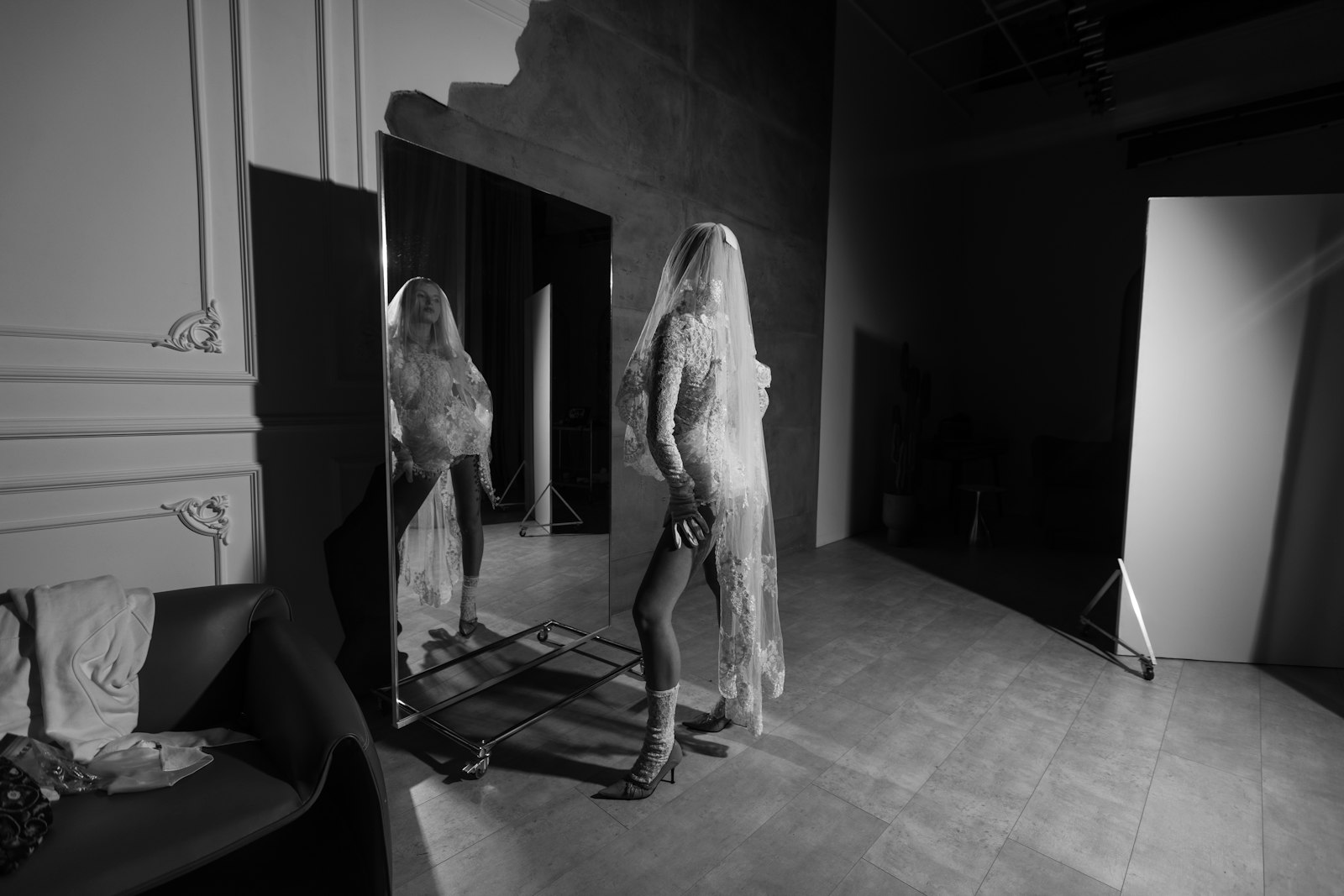
Open casting calls are nothing like what most people imagine before they attend one. The reality is more mundane — and more useful — than the drama you might have pictured. Here's a practical breakdown of what actually happens, from the moment you arrive to the follow-up afterward.
What "open" actually means
An open casting call means the client or agency hasn't pre-selected who they want to see. Anyone who meets the basic posted criteria can walk in. This is different from a closed casting, where a booker has already submitted a specific pool of models for consideration.
Open calls are common for new talent searches, campaign-specific looks, and when agencies or brands want to cast outside their usual roster. Major agencies like IMG and Ford run periodic open calls, as do smaller regional agencies looking to sign fresh faces. Some brands hold them directly when they want to avoid paying agency markups for campaign talent.
The competition can be stiff. Depending on the market and who's holding the call, you might be seen alongside 20 people or 300. Plan accordingly.
Before you go: what to bring
Preparation is the difference between a forgettable appearance and one that sticks. Casting directors see a lot of people in a single day, and small details matter more than most newcomers expect.
- A comp card or digitals. If you're signed to an agency, bring your comp card. If you're not yet signed, bring printed digitals — simple, clean shots showing your face clearly, your full body, and a profile. Avoid heavy editing or stylized filters.
- Measurements written down. Height, bust/chest, waist, hips, inseam, shoe size. Clients ask for these constantly, and fumbling to estimate on the spot looks unprepared.
- ID. Required for any job paperwork and often checked at the door for under-18 calls.
- A pen. You'll likely fill out an intake form. Asking to borrow one is a small but real annoyance at a busy casting.
- Something to occupy yourself. Queues can run long. Bring headphones or a book — not a conversation with other models that's going to make everyone around you anxious.
What not to bring: a friend who just wants to watch, a rolling suitcase, or an attitude about the wait time. Casting environments are small and the crew notices everything.
What to wear
This trips up a lot of first-timers who either overdress or show up in something so casual that the casting team can't actually see the model.
The standard advice from most agencies: fitted, simple clothes in neutral colors. Dark jeans, a fitted top, a clean dress. The goal is to show your figure without distraction. Avoid loud prints, logos, heavy layering, or anything that requires constant adjustment.
Hair should be clean and worn naturally, or pulled back if it's longer. Minimal makeup — enough to look polished, not so much that a client can't read your actual features. Heels are generally expected for women unless the casting specifically says otherwise; 3-inch block heels or simple pumps are safe.
For men: clean, fitted jeans, a white or neutral fitted tee, and clean shoes. Same principle — show the shape of the body without making it theatrical.
What happens when you get inside
The actual process at an open call is fairly standardized across most markets, though it varies by scale.
- Check-in. You'll give your name, hand over your comp card or digitals, and usually fill out a form with your stats and contact info.
- Polaroids or digitals. Almost every casting takes their own reference shots: face, body, profile. These are quick, lit against a plain wall, unretouched. Don't try to perform for them — just stand naturally.
- Brief interview. The casting director or client rep will ask a few questions. Where are you from, do you have experience, are you available on certain dates. Keep answers direct and honest.
- Walk or movement. For fashion work, you may be asked to walk a short distance and back. Don't practice an elaborate runway walk — a natural, confident stride is what most clients want to see.
- The handoff. Your info goes into a pile. You may hear "we'll be in touch" with no further indication of interest, or a rep might ask follow-up questions on the spot. Both are normal. Neither tells you much.
The whole in-room process often takes under five minutes. Most of your time at an open call is spent waiting.
How to handle rejection — and silence
Most people who attend an open call don't get a callback. That's not a failure of preparation or presence — it's the nature of the format. Clients are often looking for a very specific combination of measurements, look, and availability that may have nothing to do with your appeal or potential.
The harder thing to handle is silence. Many castings never follow up with people they don't want, and some don't follow up quickly even when they do. Give it a week before drawing any conclusions. If you're working with an agent who submitted you, ask them to follow up on your behalf rather than contacting the client directly.
Don't post about the casting on social media. Many calls are confidential, and clients have dropped talent for this.
Agency open calls vs. client open calls
These are different in purpose and atmosphere, and it's worth knowing which you're attending.
An agency open call is a talent search. The agency wants to find models they might sign and represent. They're evaluating long-term potential, not filling a single job. The interaction is usually brief, and they may ask about your goals and availability. If interested, they'll follow up with a development meeting or a short-term test arrangement.
A client open call is for a specific project — a campaign, a lookbook, a trade show, a showroom. They need someone who fits a defined brief. Decisions tend to happen faster. Callbacks, if they come, usually arrive within a few days. Browse current open casting calls to see what's available in your market right now.
You can also look at how modeling agencies describe their roster requirements before attending their open calls. Some publish guidelines on their websites that give you useful context on who they're currently signing.
After the call: what you can actually do
Most of your work happens before you walk in, and your ability to influence the outcome afterward is limited. That said, a few things are worth doing.
- Update your portfolio if the experience revealed gaps. If the polaroids showed your natural hair needs work, or your digitals looked dated, address it.
- Keep notes on who held the call, the date, and what was being cast. Over time this becomes useful context for understanding your market.
- Follow up professionally through your agent if you have one. If you attended independently, a brief email to the casting contact three to five days later is acceptable; anything more persistent is not.
- Look at model profiles to understand the range of looks currently working in your category. It's useful calibration, not comparison.
One casting call doesn't define much. Agencies and clients see models multiple times before making decisions, and the industry runs on consistent presence over time. Attend more calls, keep your portfolio current, and check the industry resource lists for agencies accepting new talent in your region.
Frequently Asked Questions
Do I need an agent to attend an open casting call?
No. Open calls are specifically designed to be accessible without existing representation. You attend independently and submit your own materials. If you are already signed, your agent may still encourage you to attend certain open calls, or they may submit you directly to skip the queue.
How long do open casting calls usually last?
The entire event can run anywhere from two hours to a full day, depending on the size of the call. Your individual time in front of the casting team is typically two to ten minutes. Arrive early if you want to be seen before the team gets tired, and before the crowd peaks.
What measurements do fashion clients typically look for?
This varies by market and category. Editorial and high-fashion work in major markets tends toward tighter size ranges. Commercial, catalog, and plus-size work is considerably broader. Fitness, swimwear, and lifestyle casting have their own distinct criteria. The casting brief, when posted, usually specifies what they're looking for — read it carefully before attending.
Is it normal to feel nervous at an open call?
Yes, and experienced models will tell you it doesn't entirely go away. Nerves show more in the waiting area than in the room itself; once you're moving and talking, they tend to fade. The casting team isn't trying to unsettle you — they want to see who you actually are, and that's easier when you're not performing confidence you don't feel.