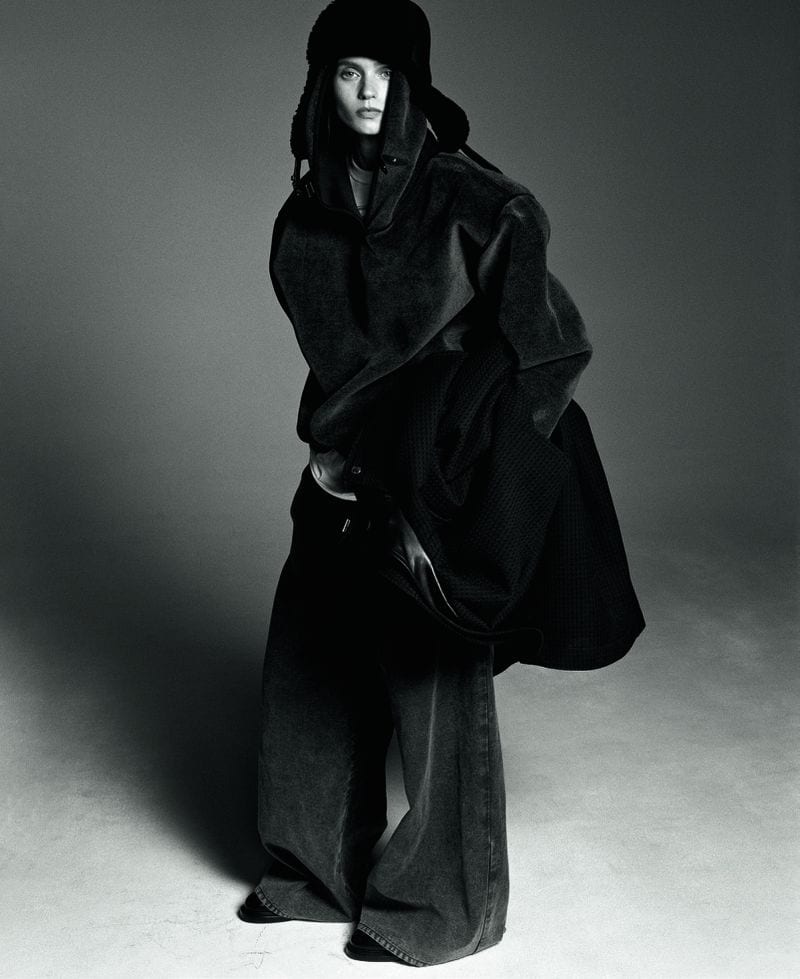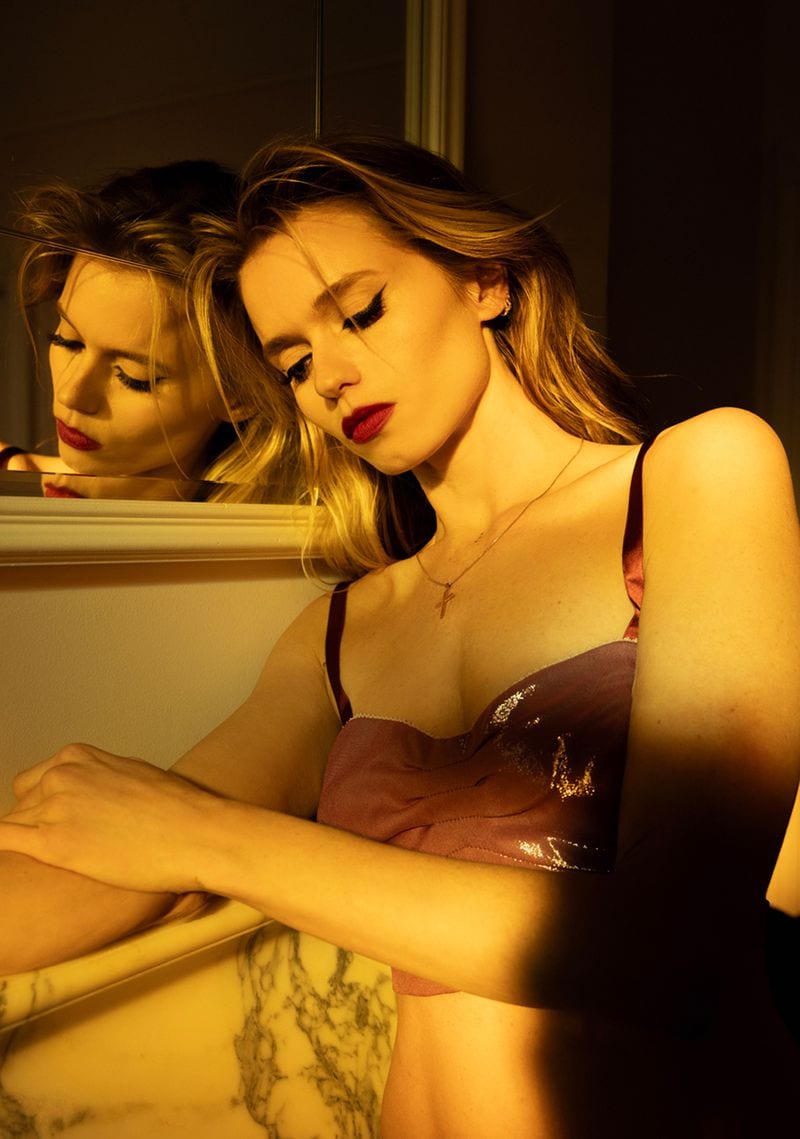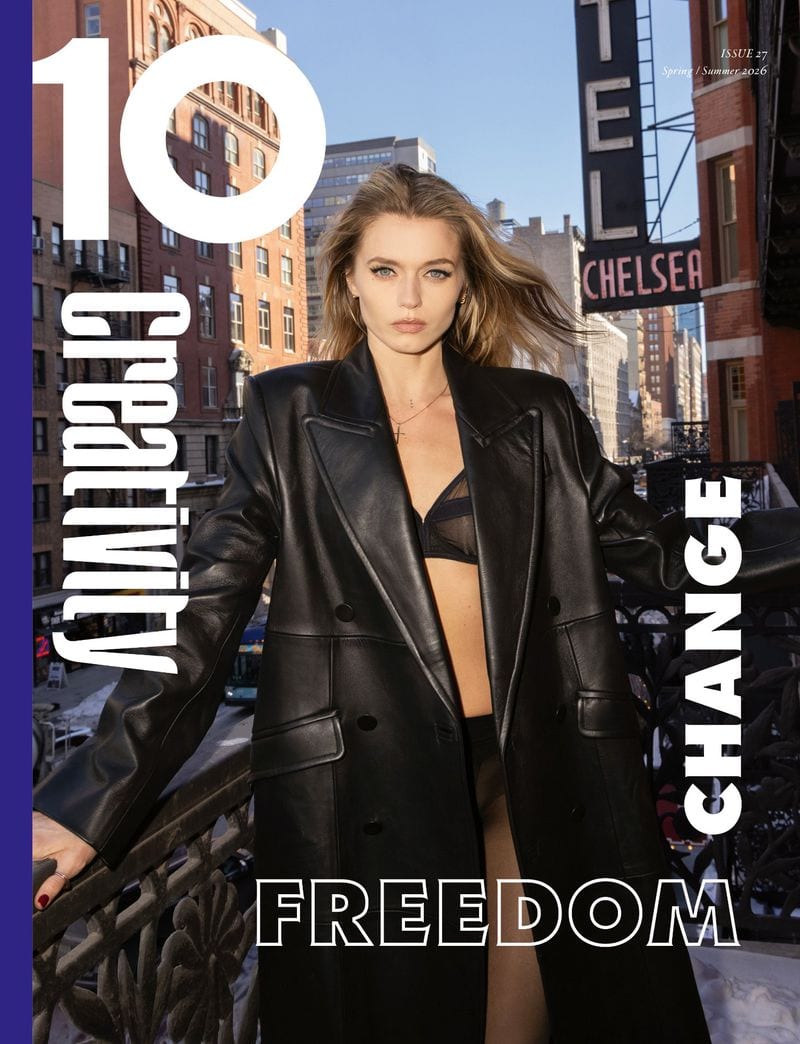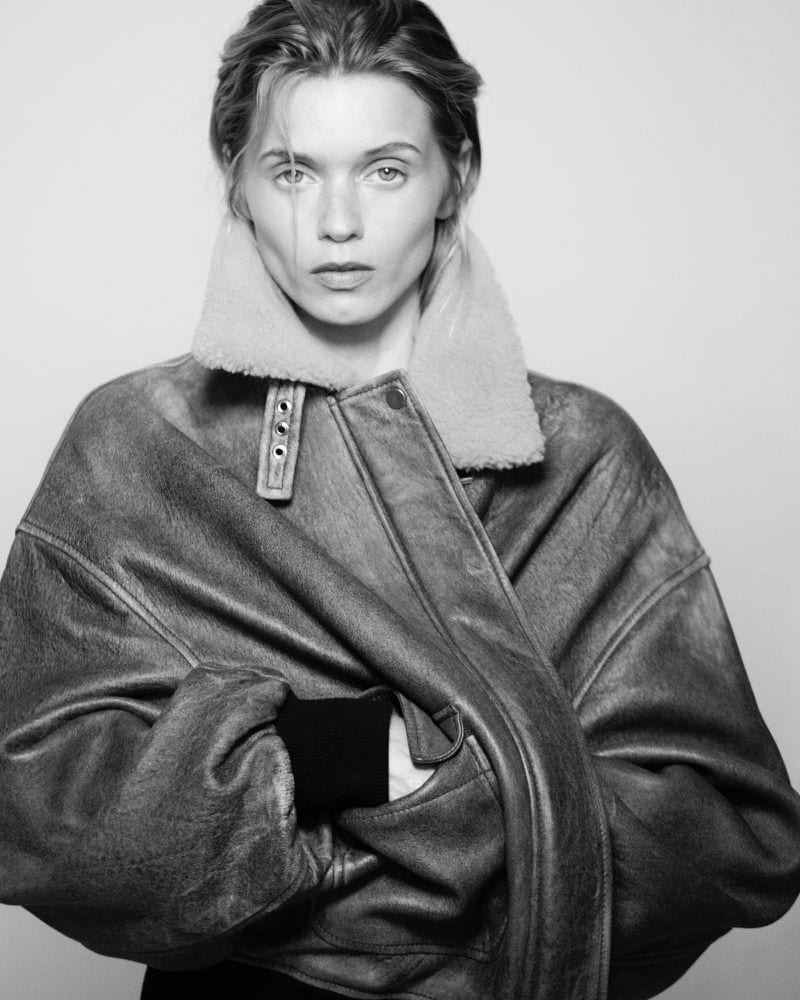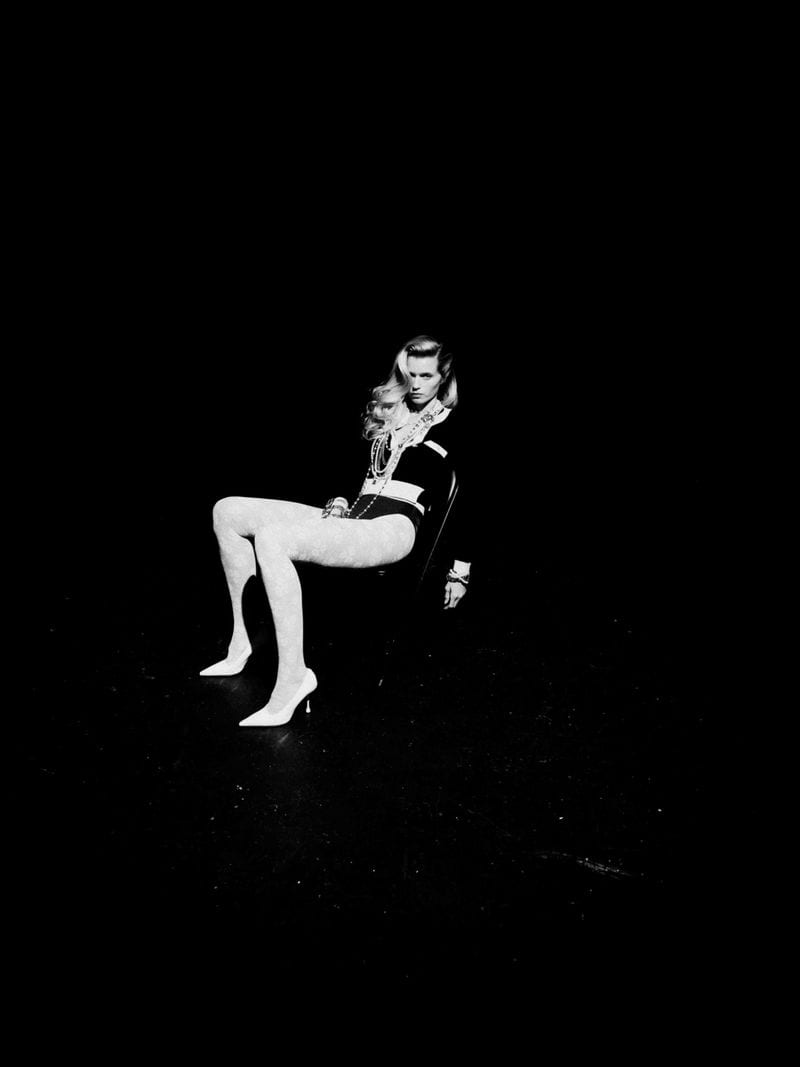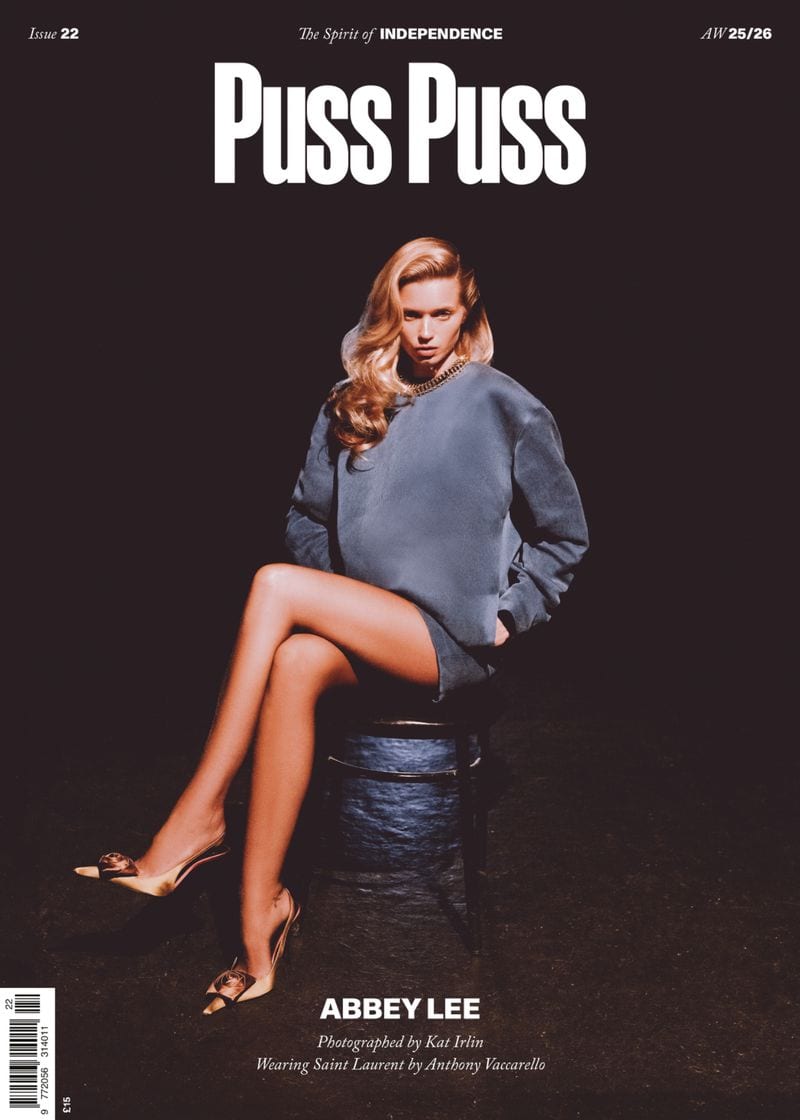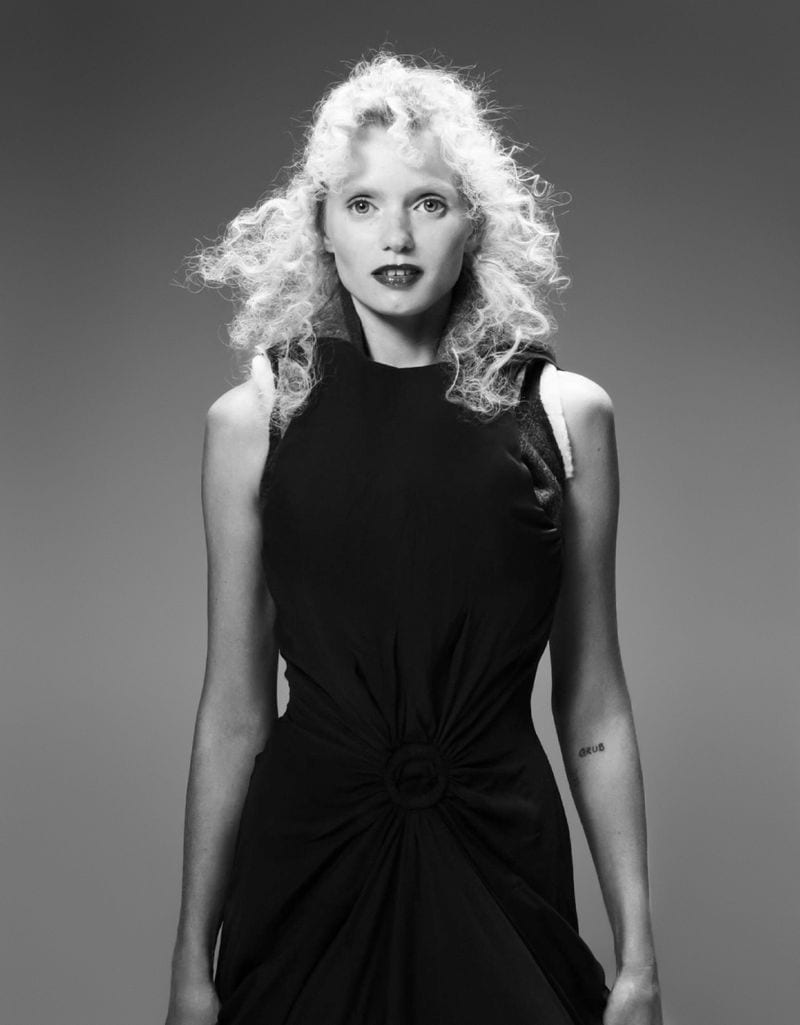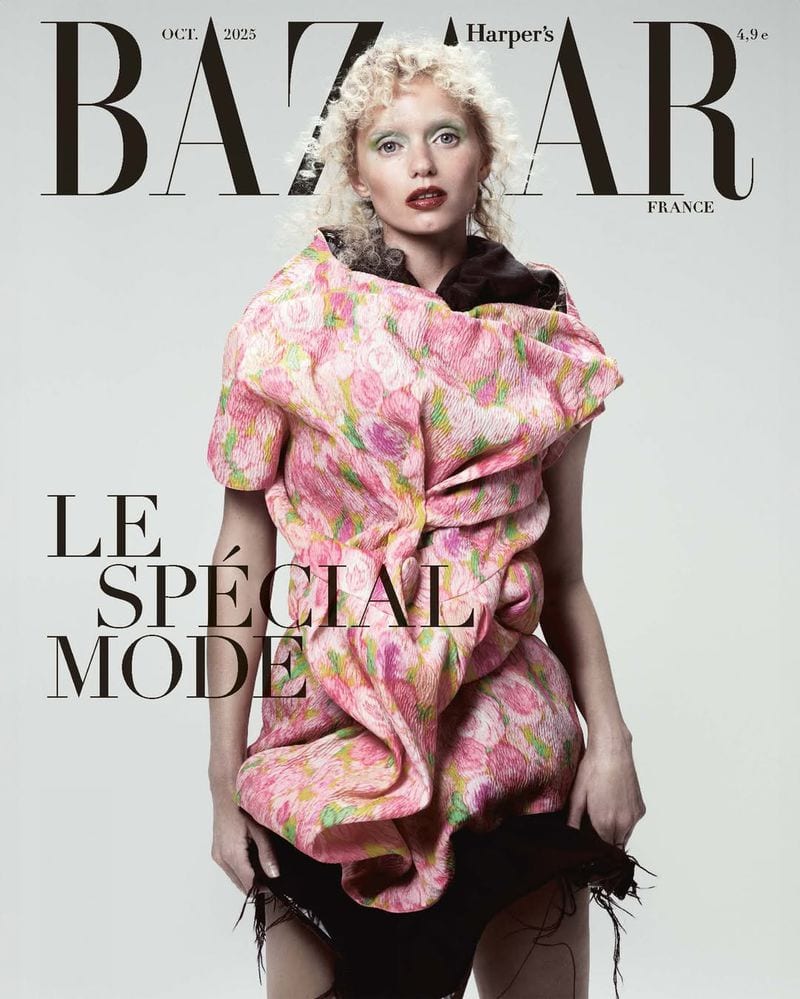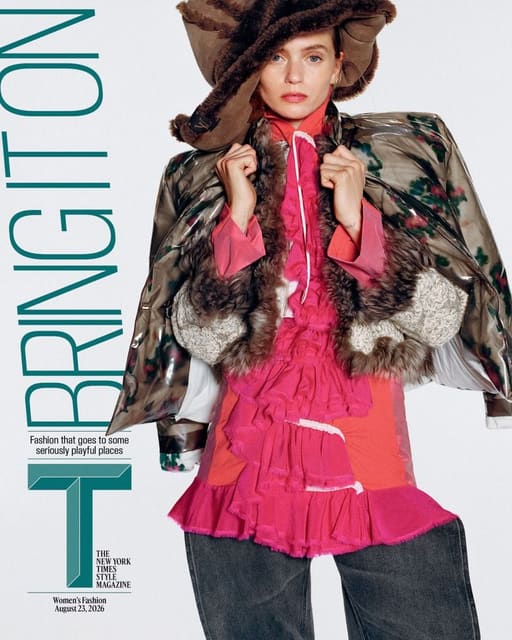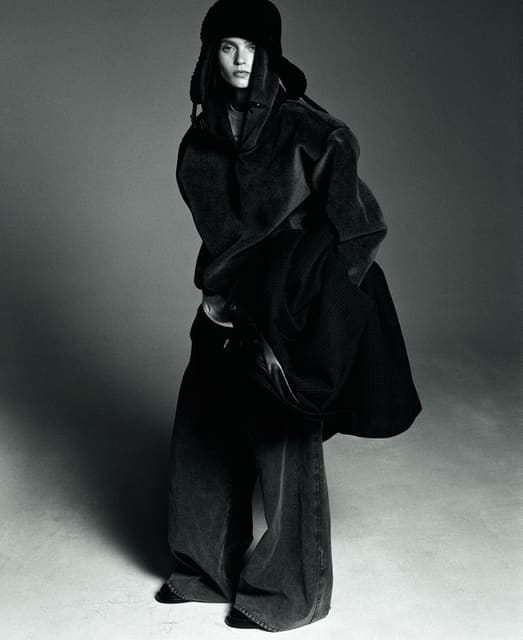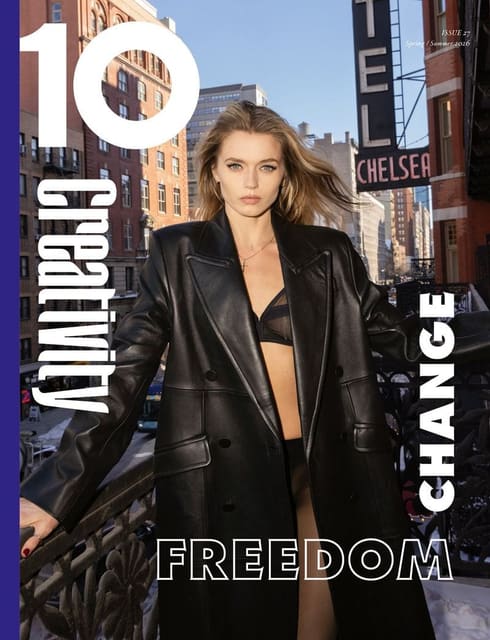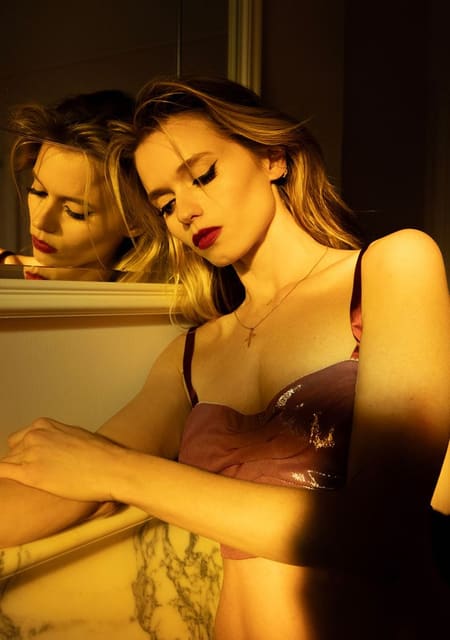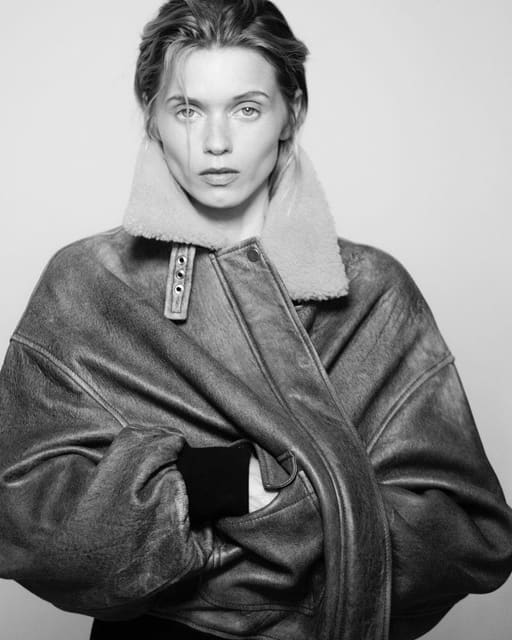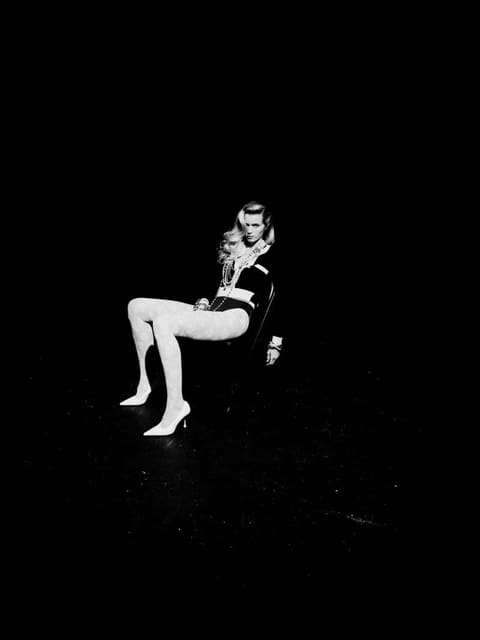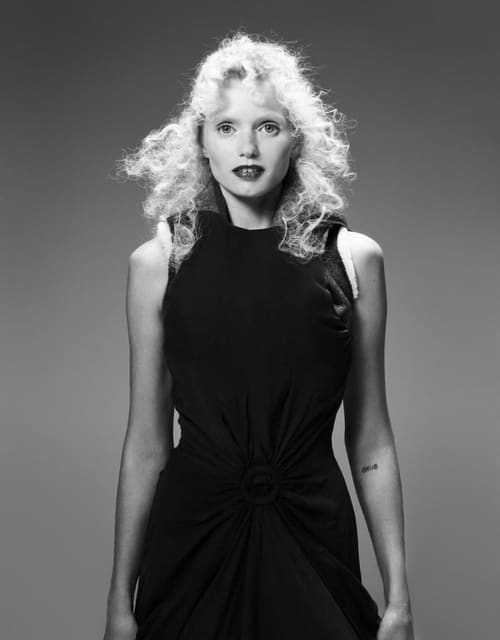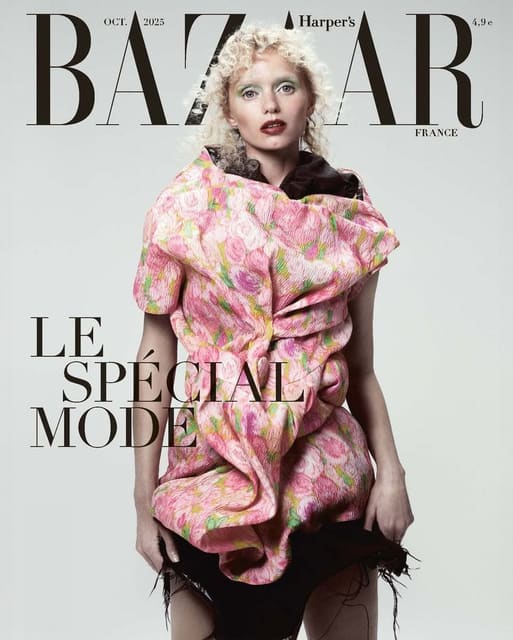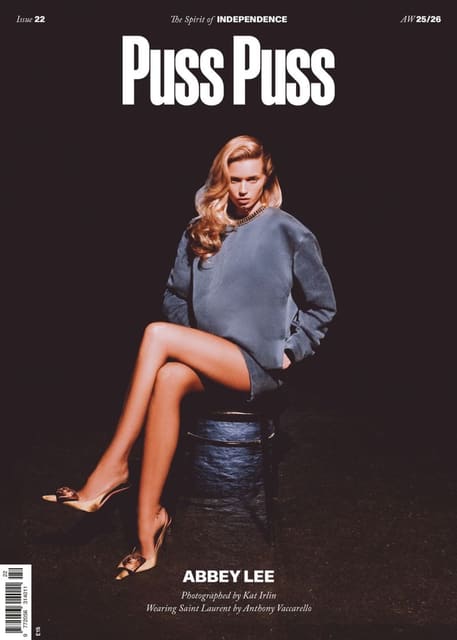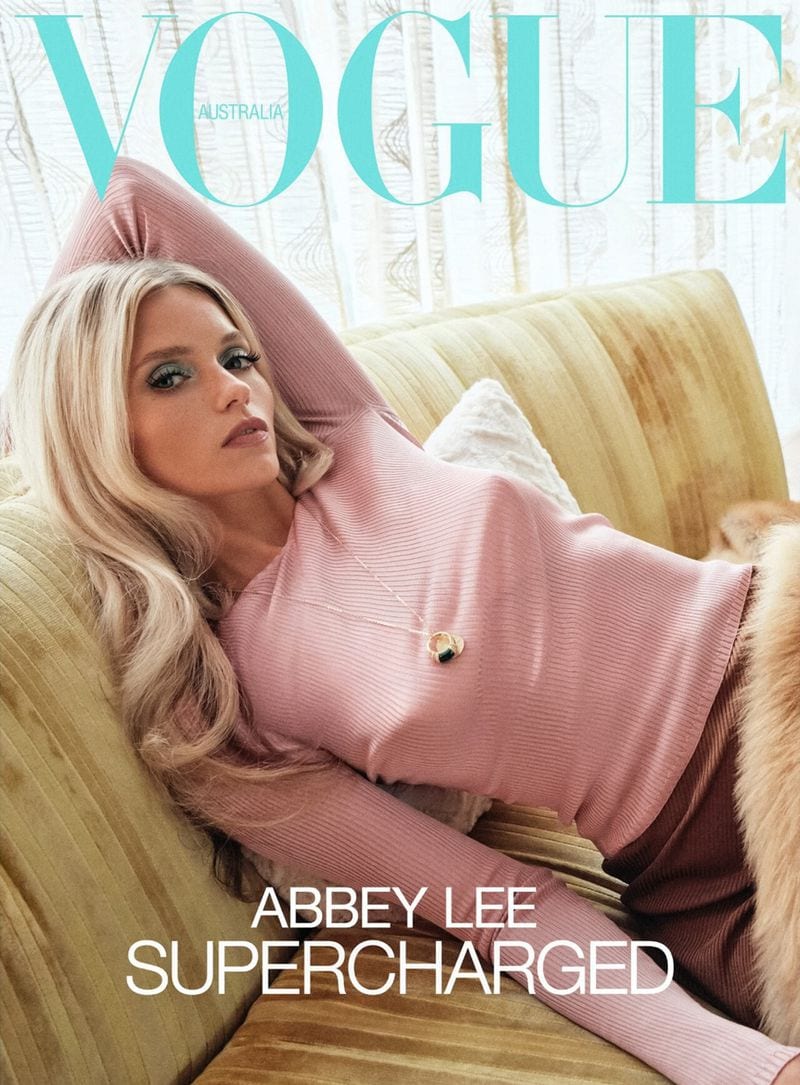
In 2011, V magazine put a name to what the fashion industry already knew: Abbey Lee Kershaw was a supermodel. She had spent roughly four years as one of the most-booked runway faces on earth — a Gucci exclusive, a Pirelli calendar girl, a Karl Lagerfeld muse. And then, at the height of it, she did something models almost never do: she stopped. She moved to Los Angeles, dropped her surname, and went looking for harder, stranger work in front of a different kind of camera. The gamble paid off in a war rig hurtling across a desert — and a career that, more than a decade later, is still widening.
A footballer’s daughter from Melbourne
Abbey Lee Kershaw was born on 12 June 1987 in Melbourne, Australia, into a household more athletic and academic than glamorous: her mother is a psychologist, and her father played professional Australian rules football. Her entry into modelling came not through a chance encounter but through a contest — she won a national teen-magazine model search in her mid-teens — and shortly afterward she was scouted at a Sydney beach and signed with the agency Chic Management. By March 2007 she had relocated to New York, and the industry caught on fast.
The work: one of the most-booked models of her era
What followed, from roughly 2008 to 2012, was near-total runway domination. Her client list read like a roll call of the era’s most powerful houses: she walked for Gucci, Chanel, Versace, Oscar de la Renta, Rodarte, Alexander Wang, Anna Sui, Dolce & Gabbana and Fendi, among others, and worked under Karl Lagerfeld and the house of Alexander McQueen. A signature credential of true top-tier status — the Gucci exclusive opening — was hers, as was a run on the Pirelli Calendar, one of fashion’s most exclusive annual invitations. There was a parallel creative life, too: during her modelling peak she performed with the Australian psychedelic-rock band Our Mountain, touring internationally even as she ruled the catwalks. Her last major runway season came in 2012, after which she stepped back from full-time modelling to chase something else entirely.
The pivot: from war rig to the neon-lit underbelly
Most models who try Hollywood get a cameo. Abbey Lee got George Miller. Her feature debut was a global blockbuster: Mad Max: Fury Road (2015), in which she played The Dag, one of the captive Wives liberated from the warlord Immortan Joe. The film became a critical and cultural phenomenon, and it instantly recoded her from “supermodel trying acting” to working actress. She did not coast on it. A run of distinctive, often unsettling films followed — Nicolas Winding Refn’s The Neon Demon (2016), the Stephen King adaptation The Dark Tower (2017), the sci-fi thriller Elizabeth Harvest (2018) — before her highest-profile dramatic showcase, as the chilling Christina Braithwhite in HBO’s Lovecraft Country (2020). She continued with M. Night Shyamalan’s Old (2021) and, in 2024, joined Kevin Costner’s Western epic Horizon: An American Saga.
What is striking about the run is how deliberately uncommercial it has been. Lee could have parlayed Mad Max into a decade of glamorous leads; instead she chose directors over visibility and difficulty over polish, assembling a filmography of horror, science fiction and prestige television rather than rom-coms and franchises. She has spoken about wanting roles that frighten her, and about the freedom of being judged for a performance rather than a face — the precise thing modelling, for all its rewards, had never offered her. There were leaner stretches and stranger projects along the way, the kind a model chasing fame would have avoided, but each one widened her range a little further. It is the rare model-to-actress pivot that reads less as a vanity project than as a genuine escape, and a successful one.
Cultural impact
Abbey Lee belongs to a small, specific category: the supermodel who became a legitimate character actress rather than a celebrity-for-hire. Where many models cast for their faces are kept decorative, she has consistently been hired by auteurs — Miller, Refn, Shyamalan, Costner — for menace, strangeness and physicality, frequently playing predators, ghosts and outsiders rather than love interests. It is a far harder path than the one she left, and the fact that she has walked it for more than a decade, on her own terms, is the real measure of the gamble she took in 2012.
The Private Side
Abbey Lee guards her personal life closely, and reputable sources reflect that: mainstream press lists no confirmed marriage, partner or children, and claims circulating online are not reliably sourced, so her relationship status is best treated as private. What she has spoken about, openly and at length, is her health. In 2024 features and interviews she detailed a roughly two-decade battle with endometriosis — a journey of misdiagnoses, chronic pain and multiple hospitalisations before she was properly diagnosed — and she has since launched an advocacy initiative, MEN FOR ENDO, aimed at bringing men into a conversation usually closed to them. It is, by some distance, the most personal she has chosen to be in public.
Earnings and net worth
No reliable net-worth figure exists for Abbey Lee. Online aggregators cite wildly inconsistent numbers with no disclosed methodology, and they should be regarded as guesses rather than reporting. Her income historically derived from top-tier modelling contracts — Gucci, Chanel, Versace, Pirelli — and, since 2015, from steady studio and prestige-television acting work; any specific dollar figure would be speculation.
Where she is now
Lee remains busy, and is arguably still expanding her range. She has continued to take on screen roles alongside major names, and in a notable first she has moved toward the stage, lining up a theatre debut. Twenty-plus years after a teen-magazine contest in Melbourne, she is still picking the hard, interesting room over the easy one — which was, all along, the entire point of walking away from the runway at the moment it loved her most.