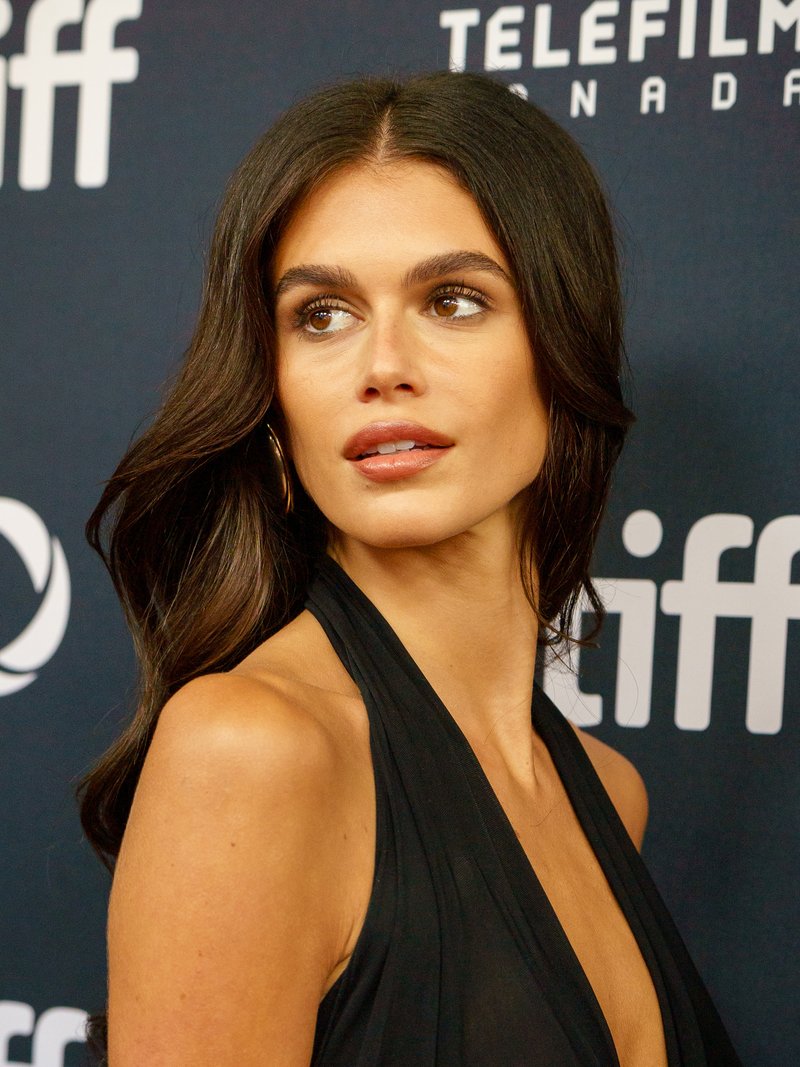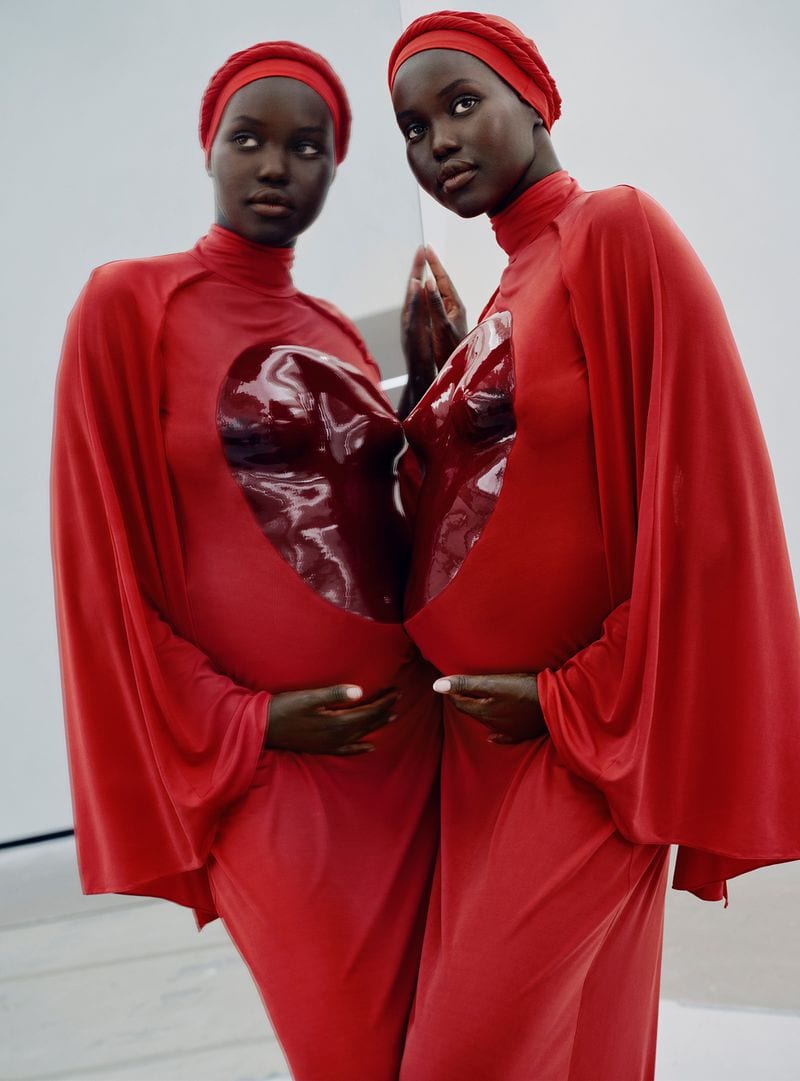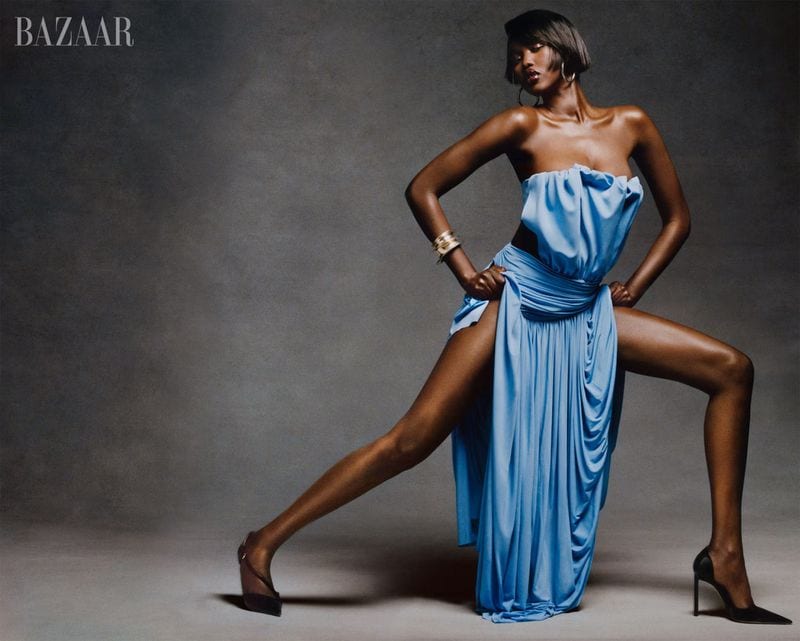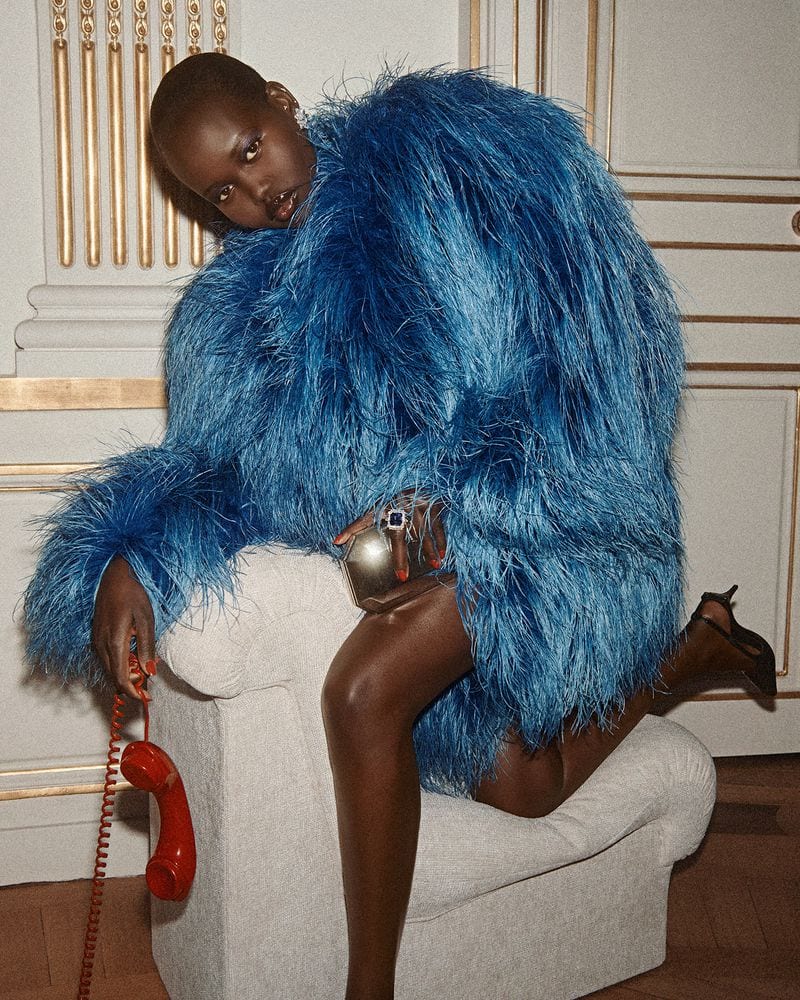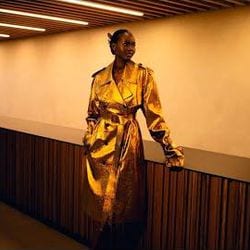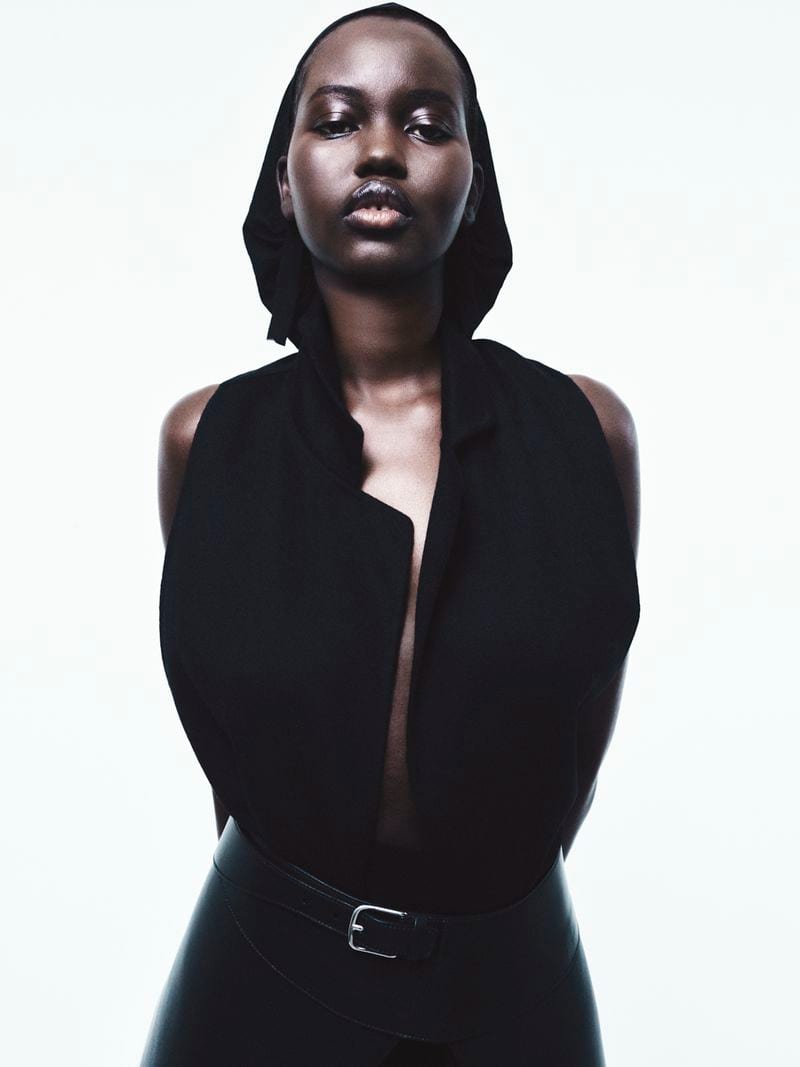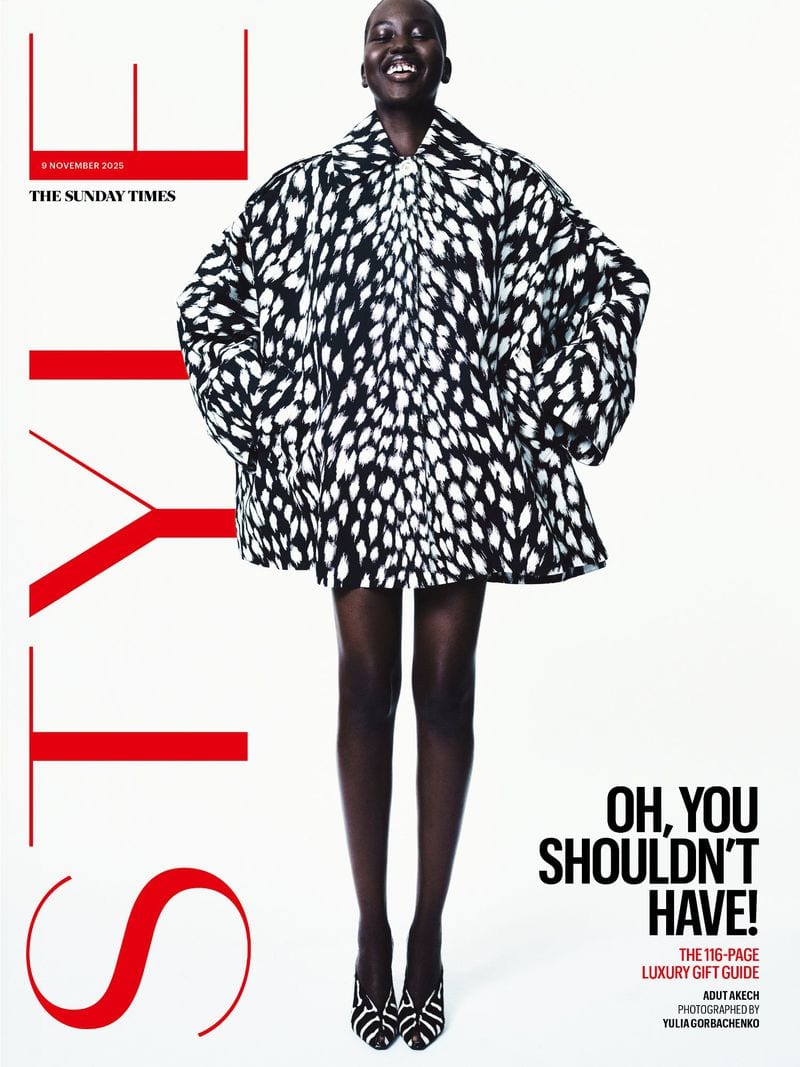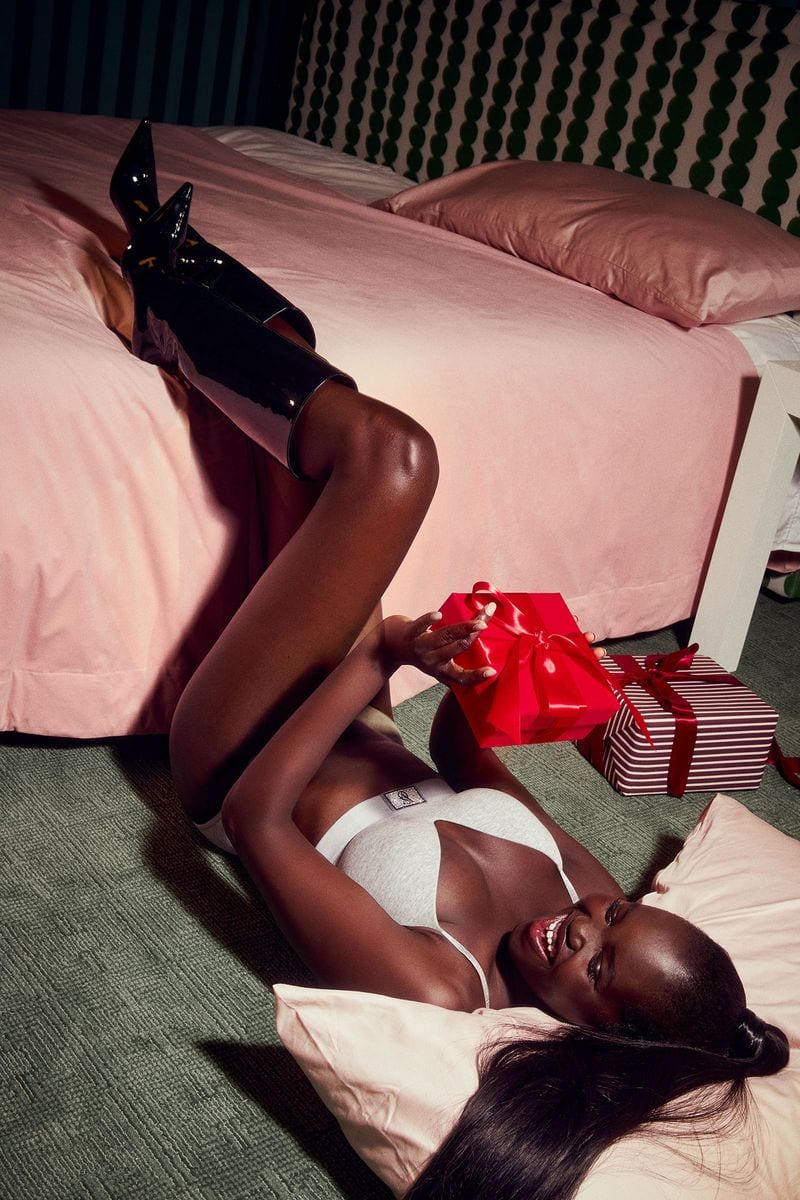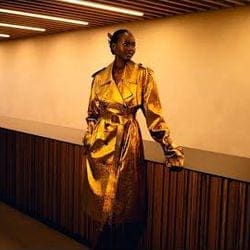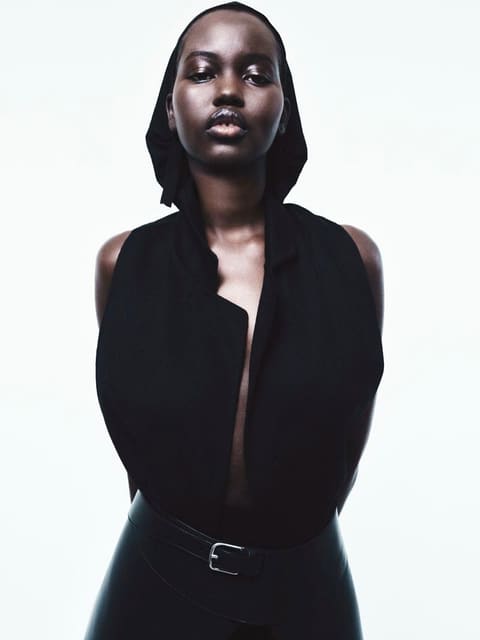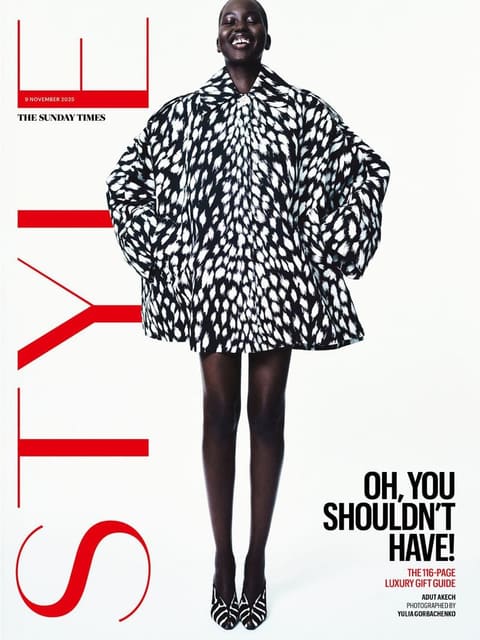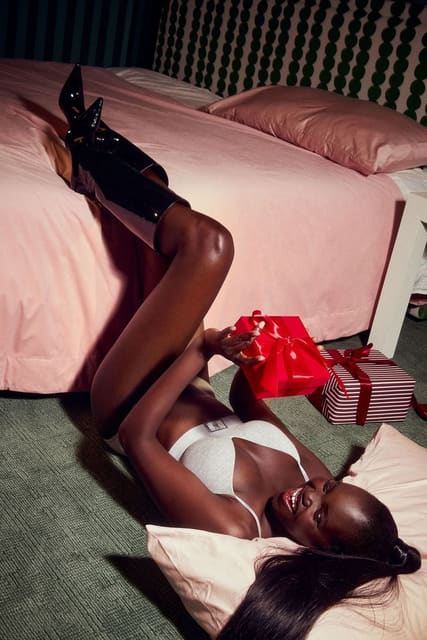
When Karl Lagerfeld chose the model to close Chanel’s haute couture show as its bride — fashion’s single most coveted runway moment — he picked a teenager who had spent the first years of her life in a United Nations refugee camp. Adut Akech had been modelling internationally for barely a year. Within three more she would be named Model of the Year, tie for the title of the world’s most-booked cover star, and be handpicked by a duchess to symbolise a more inclusive future for an entire industry. Hers is one of the most documented rags-to-runway stories in modern fashion — and, unusually, it holds up to scrutiny.
From a refugee camp to Adelaide
Adut Akech was born on 25 December 1999 in what was then Sudan — the region that in 2011 became the independent nation of South Sudan. Her family fled civil war, and she spent her early childhood in the United Nations’ Kakuma refugee camp in north-west Kenya, one of the largest refugee settlements in the world. At around the age of seven she was resettled in Adelaide, South Australia, arriving as a refugee with her mother; she is one of six siblings. Scouted as a student, she signed with Chadwick Models in Australia, and within a few years was on a plane to the European shows.
The work: an exclusive debut and the Chanel bride
Akech’s international break came at sixteen, when she was cast as a global exclusive for Anthony Vaccarello’s debut Saint Laurent collection, the Spring/Summer 2017 show presented in September 2016 during Paris Fashion Week. She went on to close further Saint Laurent shows as an exclusive — an extraordinary run for a newcomer. Then came the moment that made her a star. At Chanel’s Spring/Summer 2018 haute couture show, presented in Paris in January 2018, Karl Lagerfeld chose Akech to close as the bride — making her only the second Black model in Chanel’s history to be given the bridal finale, after fellow South Sudanese model Alek Wek, who had done so fourteen years earlier.
From there the accolades stacked up fast. Akech was named Model of the Year by models.com in both 2018 and 2019, and won Model of the Year at The Fashion Awards in London in December 2019. In September 2019 she appeared on the cover of British Vogue’s landmark “Forces for Change” issue, guest-edited by Meghan, the Duchess of Sussex — a portrait of fifteen women that also included Christy Turlington and Greta Thunberg — and that same year she ranked among the most-booked cover models in the world, tying with Gigi Hadid. Her commercial profile grew in step: in June 2021 Estée Lauder signed her as a global brand ambassador, and she has been a muse to designers from Lagerfeld to Valentino’s Pierpaolo Piccioli.
Advocate, and the photo that wasn’t her
Akech has used her platform deliberately. She began working with the United Nations refugee agency, UNHCR, to support refugees worldwide, and in 2019 Time named her to its inaugural TIME 100 Next list of rising stars, citing her for “calling out racism and amplifying the stories of her fellow refugees.” That advocacy was tested publicly in August 2019, when an Australian magazine ran a feature interview with her but illustrated it with a photograph of a different Black model. Akech responded forcefully, calling the mix-up “unacceptable and inexcusable” and saying it told her “that every single black model looks the same … and that is racist because we don’t all look the same.” The magazine and the organisers apologised, and Akech framed the episode as a wake-up call on race.
Her significance has always run deeper than any single booking. She arrived as Western fashion was being pushed, slowly and unevenly, to reckon with how narrowly it had defined beauty, and she became one of the faces that reckoning produced — a dark-skinned, South Sudanese, formerly stateless young woman opening the most exclusive shows and anchoring the most important covers, at houses that had rarely cast anyone like her. She has never treated that as a burden so much as a responsibility, speaking openly about wanting young refugees and Black girls to see themselves in the places she now stands.
The Private Side
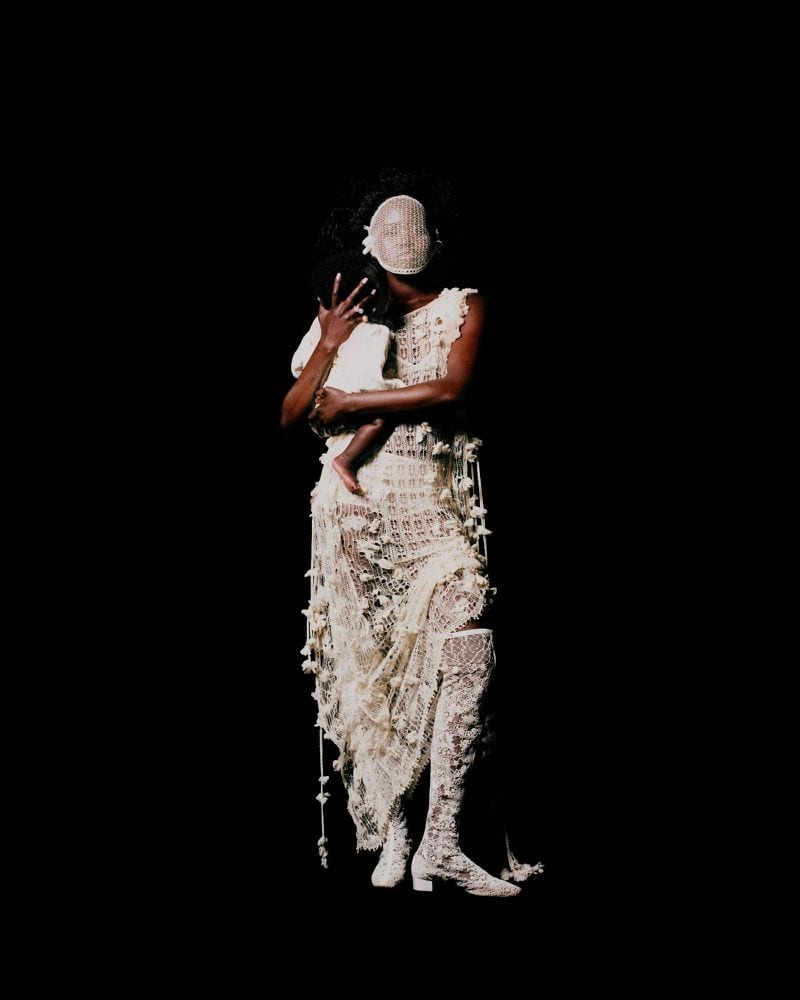
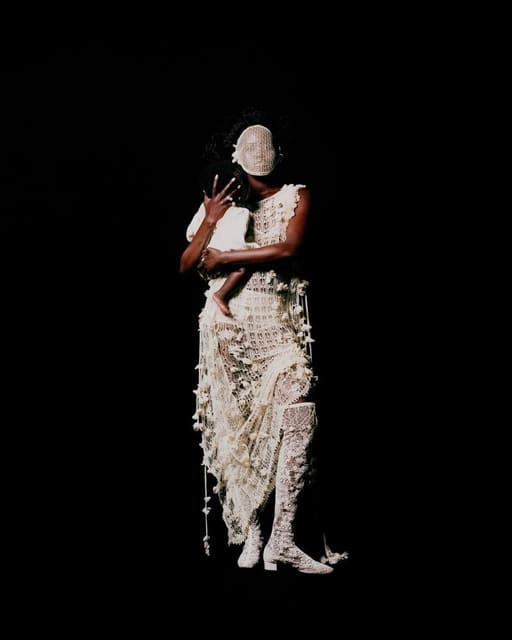
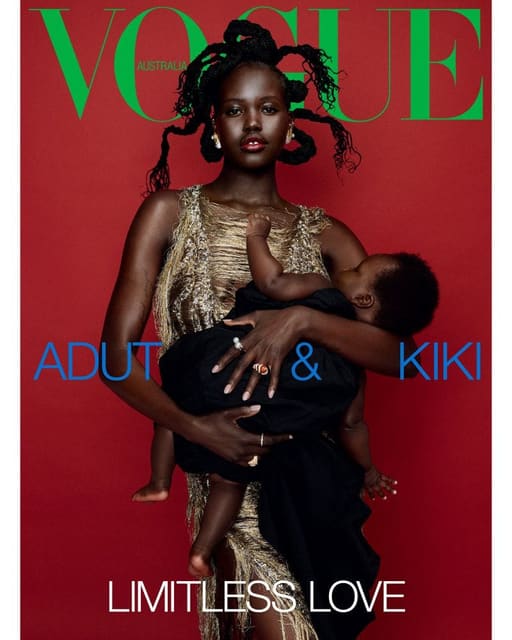
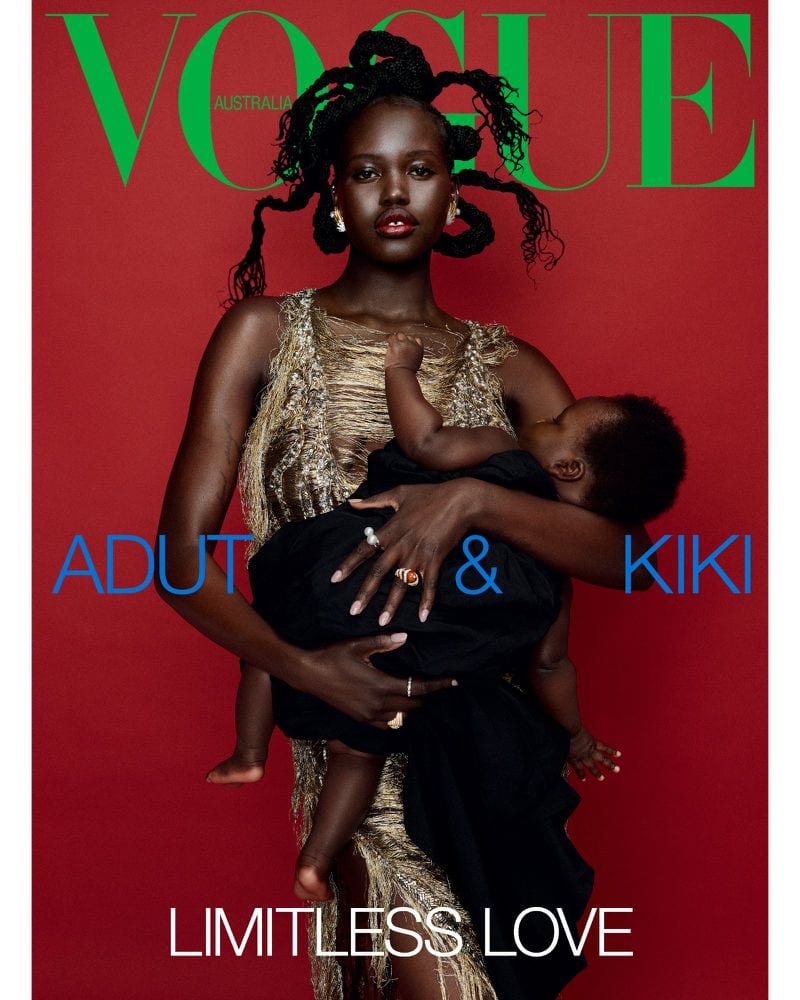
Akech keeps her personal life largely private. She is in a long-term relationship with the fellow model Samuel Elkhier, and the couple welcomed their first child, a daughter, in late 2024; in February 2026 she announced she was expecting their second. (Reports differ on whether the couple have formally married, and Akech has not addressed it publicly, so they are best described simply as long-term partners.) She has spoken about how grounding motherhood has been against the backdrop of a relentless international career, and about wanting to build a settled family life of the kind her own childhood, in flight from war, could not offer.
Earnings and net worth
No credible financial outlet has published a verified net worth for Akech. Tabloid-style aggregator sites offer speculative figures, but these are mutually inconsistent, unsourced and should not be treated as fact. Her income derives from runway, campaign and ambassador work — the Estée Lauder contract chief among it — along with editorial covers, all of which mark her as one of the most commercially valuable models of her generation without putting a reliable number on it.
Where she is now
Akech remains one of fashion’s most in-demand models and one of the highest-profile Black models working today. In 2025 she fronted a Givenchy campaign and walked the revived Victoria’s Secret Fashion Show, and she carried into the 2026 season on the international runways even as she prepared to welcome a second child. A quarter-century after she was born in a country at war, the girl who once answered to a borrowed name in an Adelaide classroom has become a face the whole industry knows — and a voice it has learned to listen to.