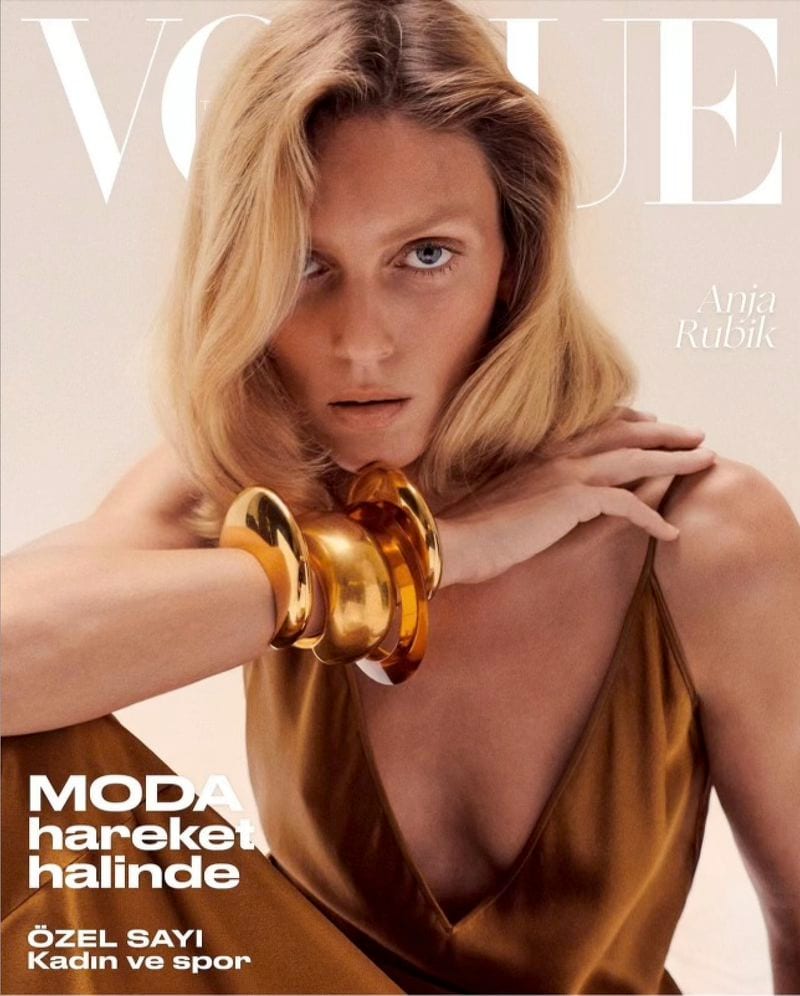
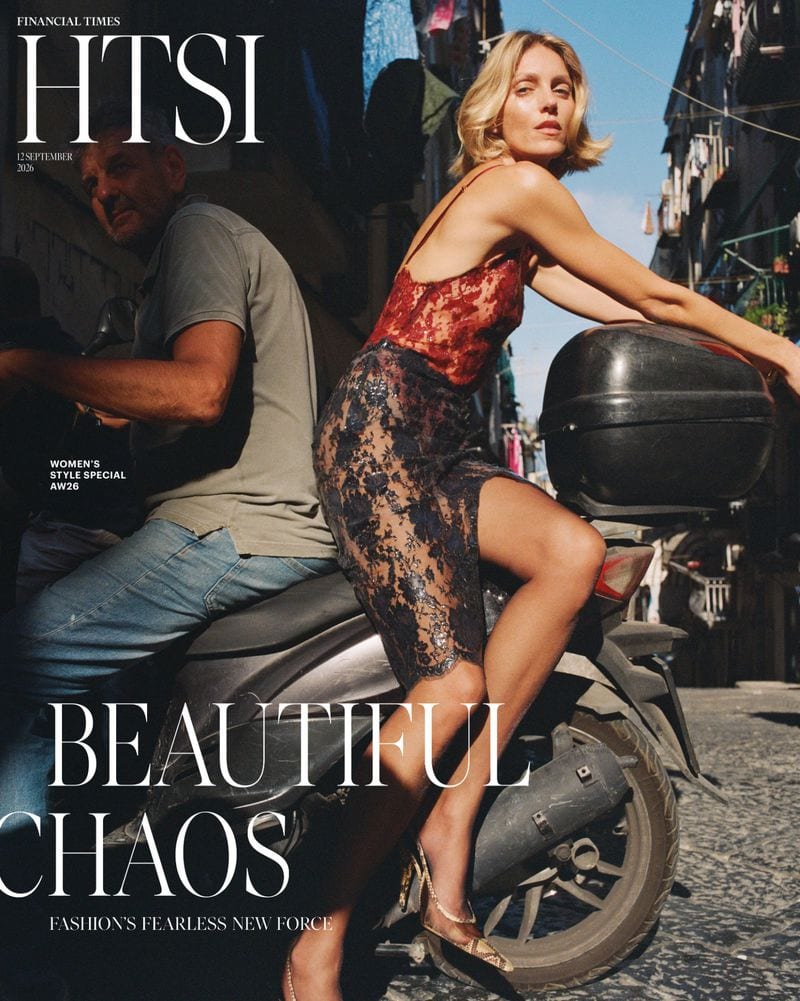
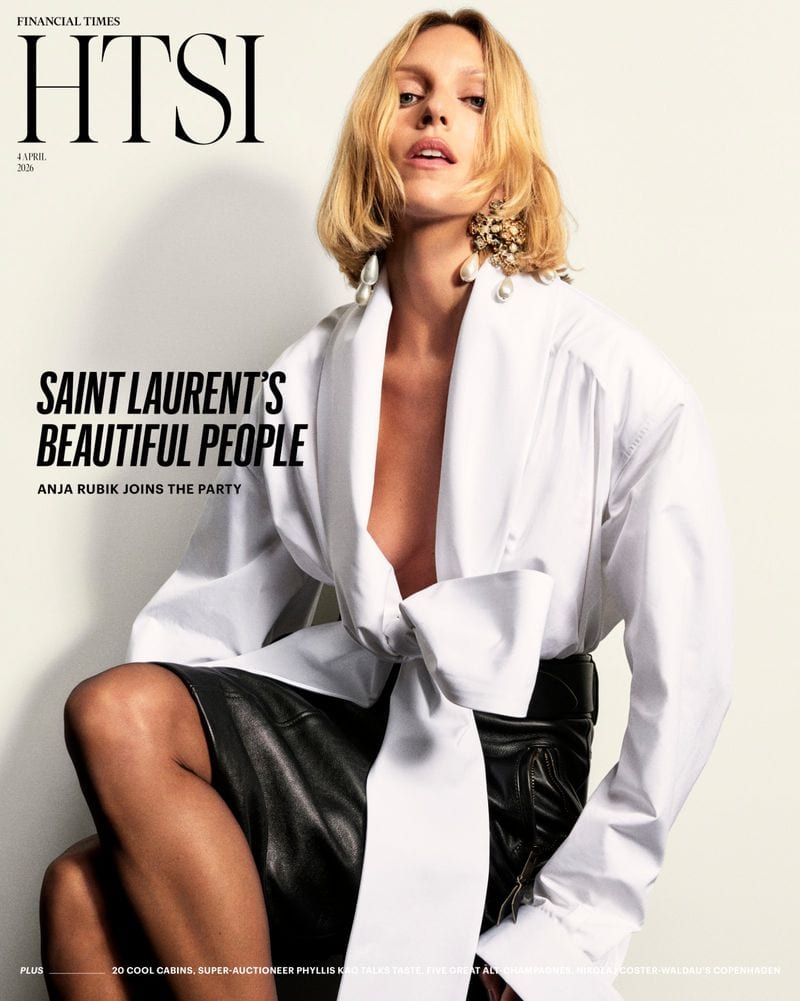
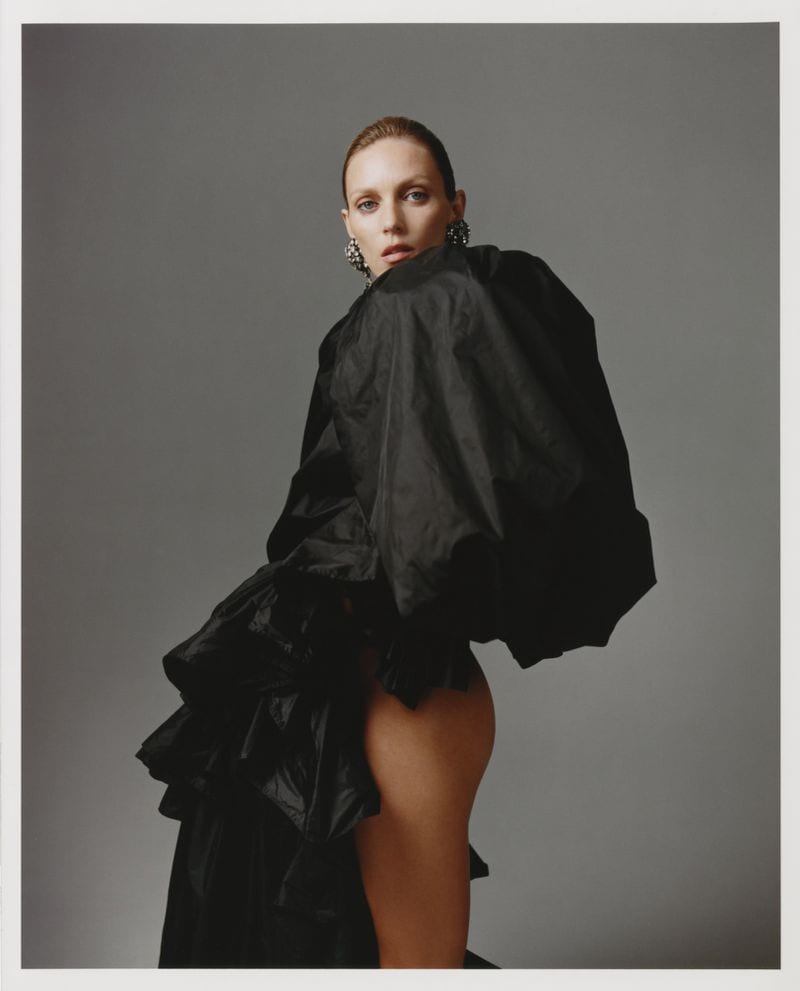
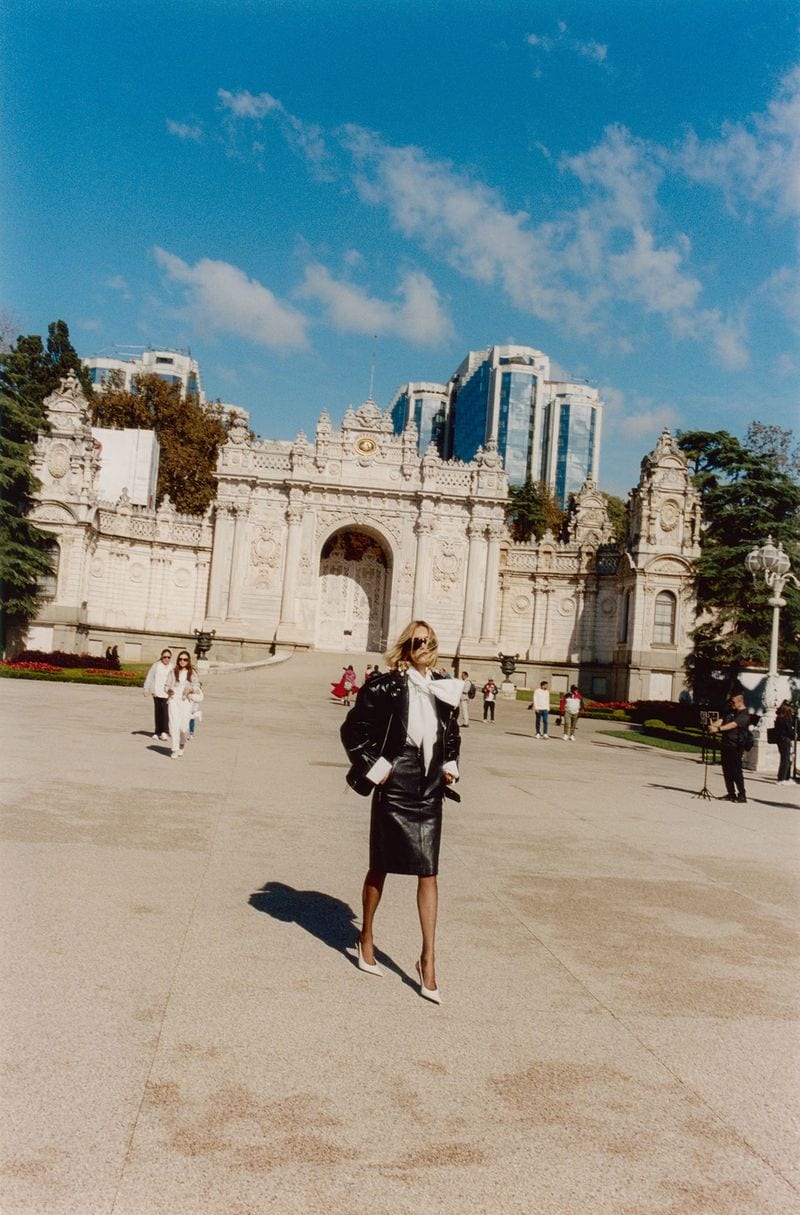
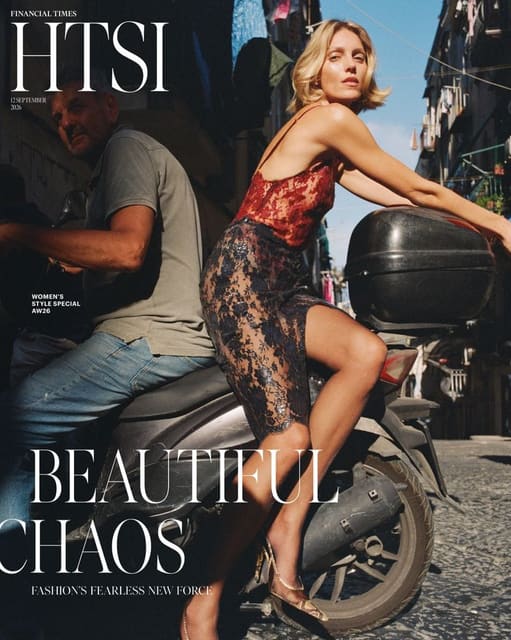
She fronted Anthony Vaccarello’s debut campaign for Saint Laurent in a gold bodysuit on a bridge over the Seine — then went home to Poland and mailed a sex-education book to a thousand schools, where some directors banned it on arrival. Anja Rubik is one of the few models of her generation as famous for what she has said as for what she has worn: a Vogue-cover regular who turned her runway capital into one of the most contested public campaigns in modern Polish life. It is a combination almost no one else in fashion has managed — the commercial top tier and the political front line, held at once.
A childhood on four continents
Anja Rubik was born on 12 June 1983 in Rzeszów, Poland. Both her parents were doctors of veterinary medicine, and their work made her childhood unusually nomadic: the family left Poland the year she was born and, over the following years, she grew up across Greece, Winnipeg in Canada, and Umtata in South Africa before returning to Poland in 1994. She was discovered as a teenager — at thirteen she took part in the Elite Model Look competition and signed with a Warsaw agency — and finished her schooling in Paris before moving into the international circuit.
The work: from Chloé to Saint Laurent muse
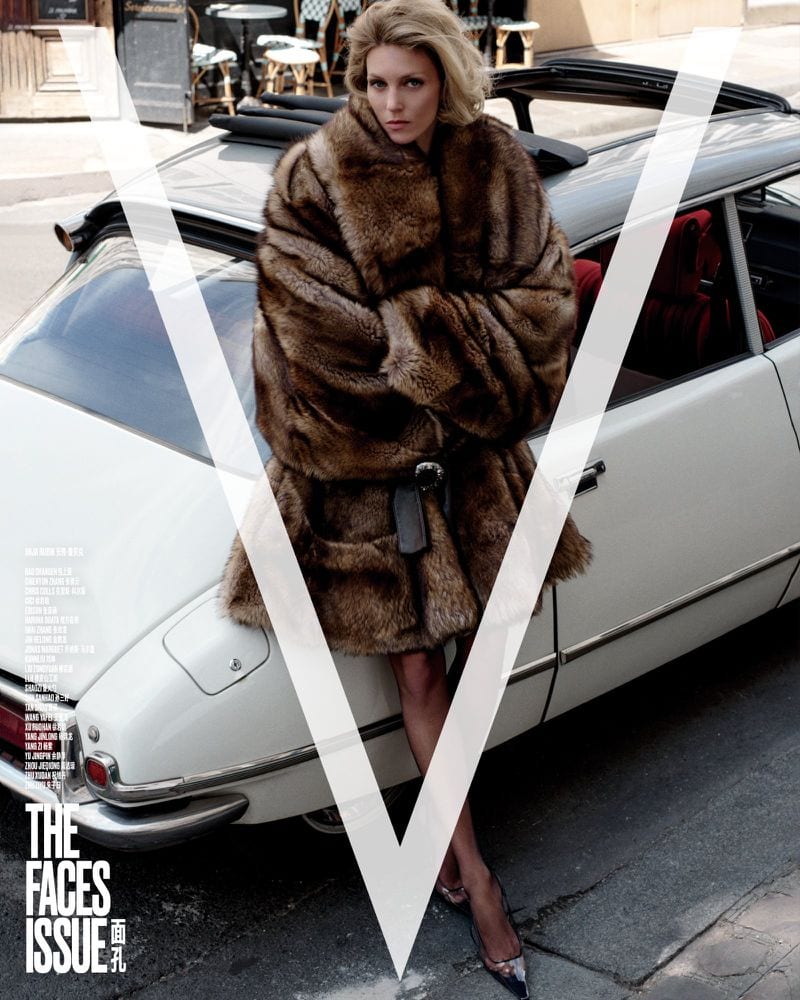
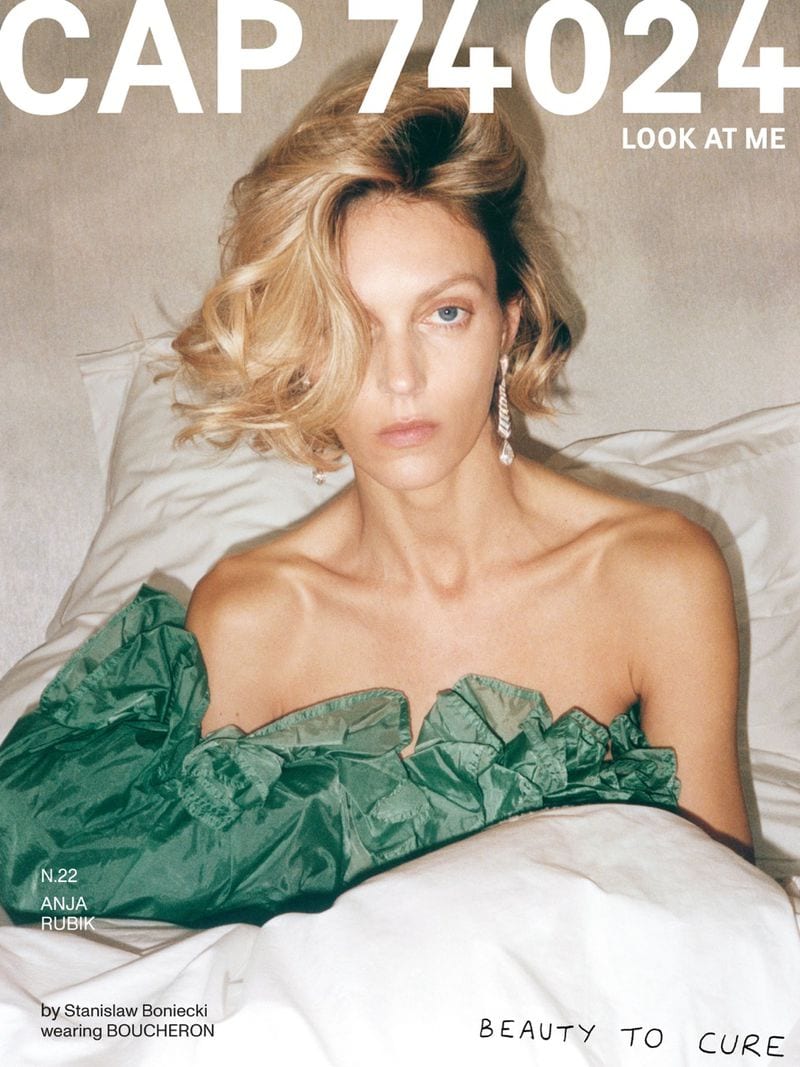
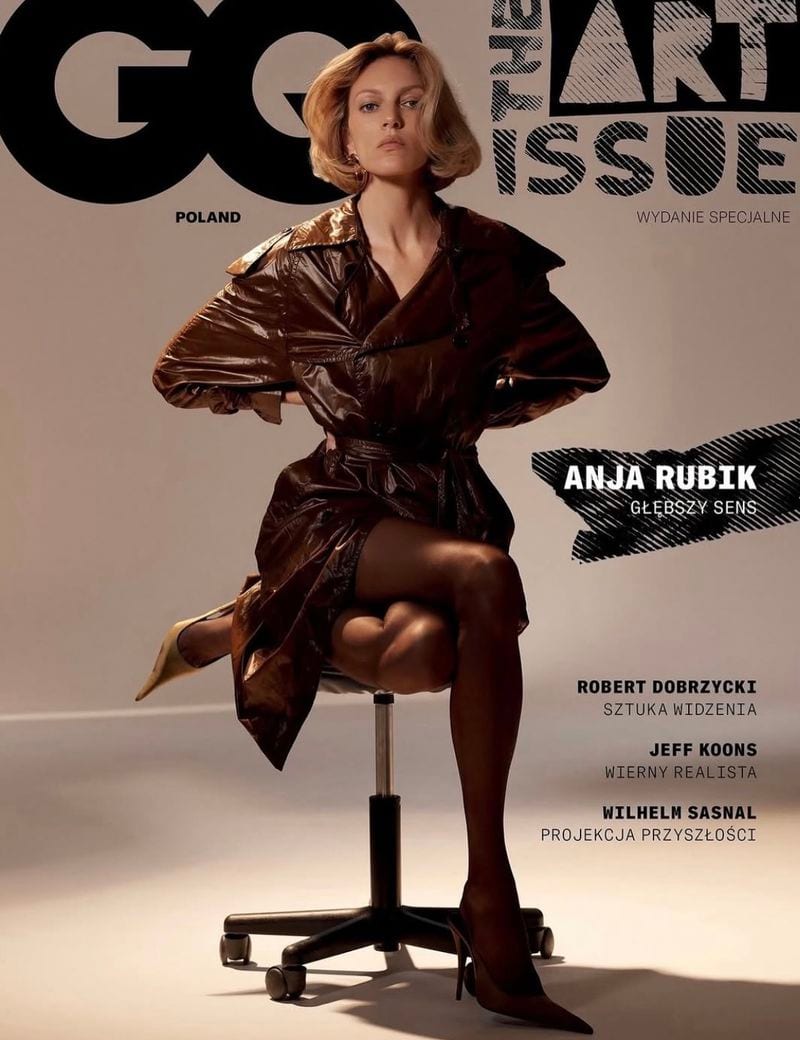
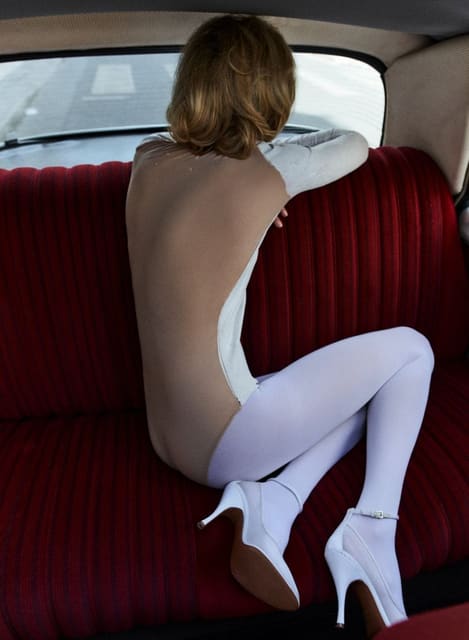
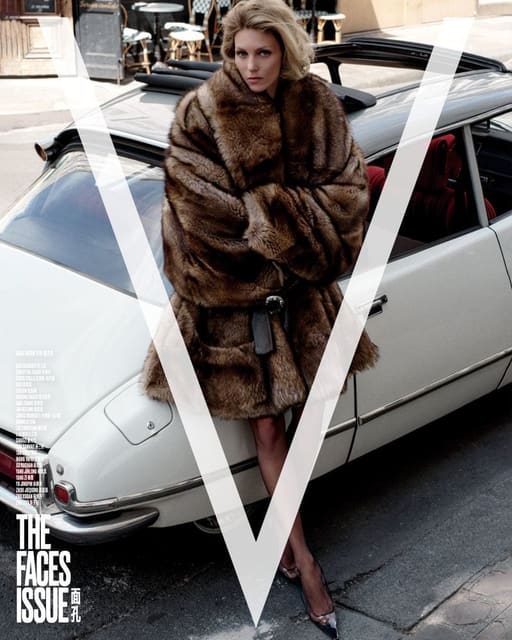
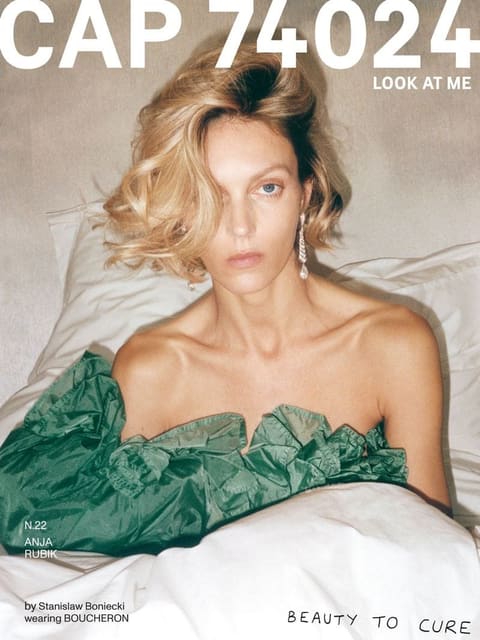
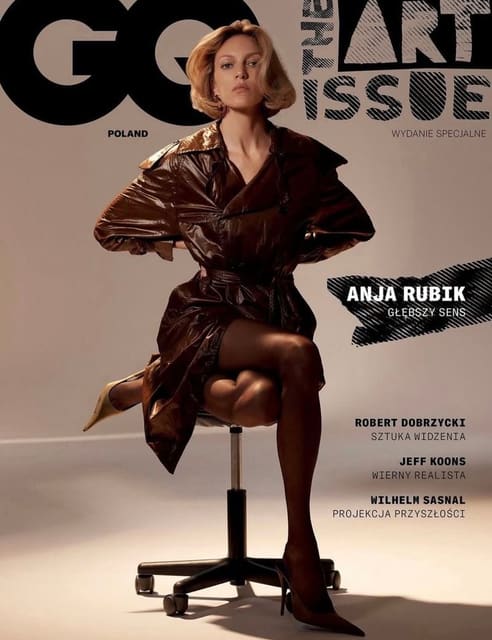
Rubik’s runway career is long and blue-chip. By most accounts she made her debut at a Chanel haute couture show in the late 1990s, and her campaign résumé came to read like a directory of luxury houses: she was the face of Chloé for some seven years, shot consecutive seasons for both Gucci and Fendi, and appeared in advertising for Armani, Balmain, Chanel, Dior, Givenchy, Valentino, Versace and Yves Saint Laurent, among dozens more. She has covered more than thirty international editions of Vogue, and in 2011 she fronted the prestigious Pirelli Calendar.
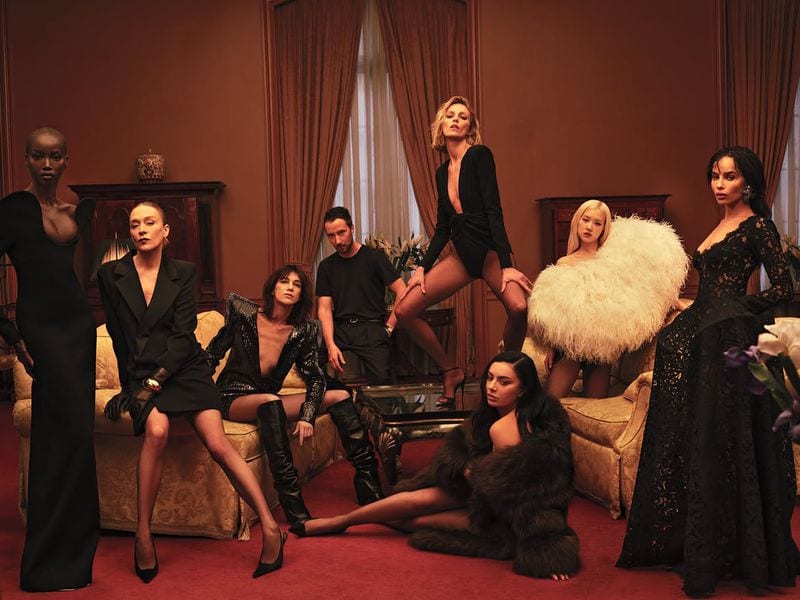
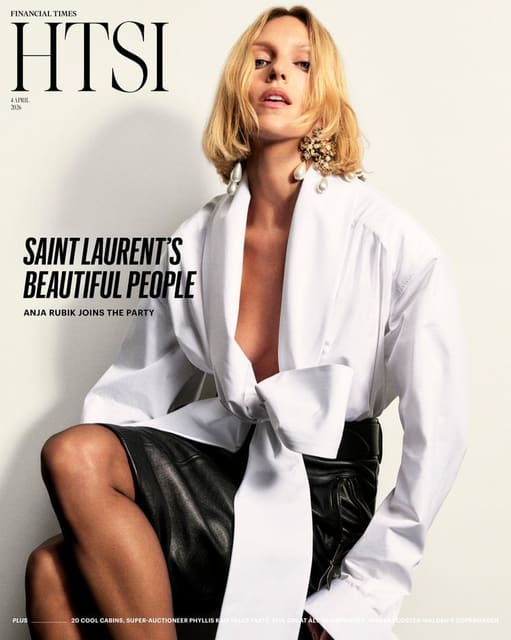
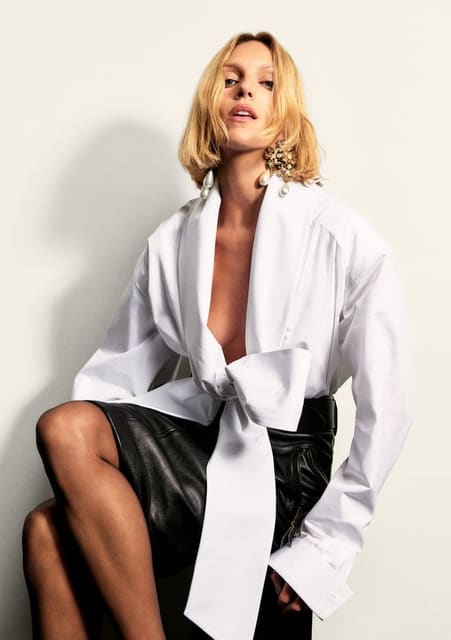
Her single most iconic professional moment came in late 2016, when she starred in Anthony Vaccarello’s first campaign as creative director of Saint Laurent. Photographed in a gold embroidered bodysuit on a bridge over the Seine, cast as a free, hedonistic and elusive woman, the image became the defining picture of a new era at the house — and Vaccarello, who had long regarded her as a muse, kept her in his Saint Laurent campaigns for years afterward. As recently as March 2025 she covered Harper’s Bazaar France, confirming that, decades in, she remains an in-demand face.
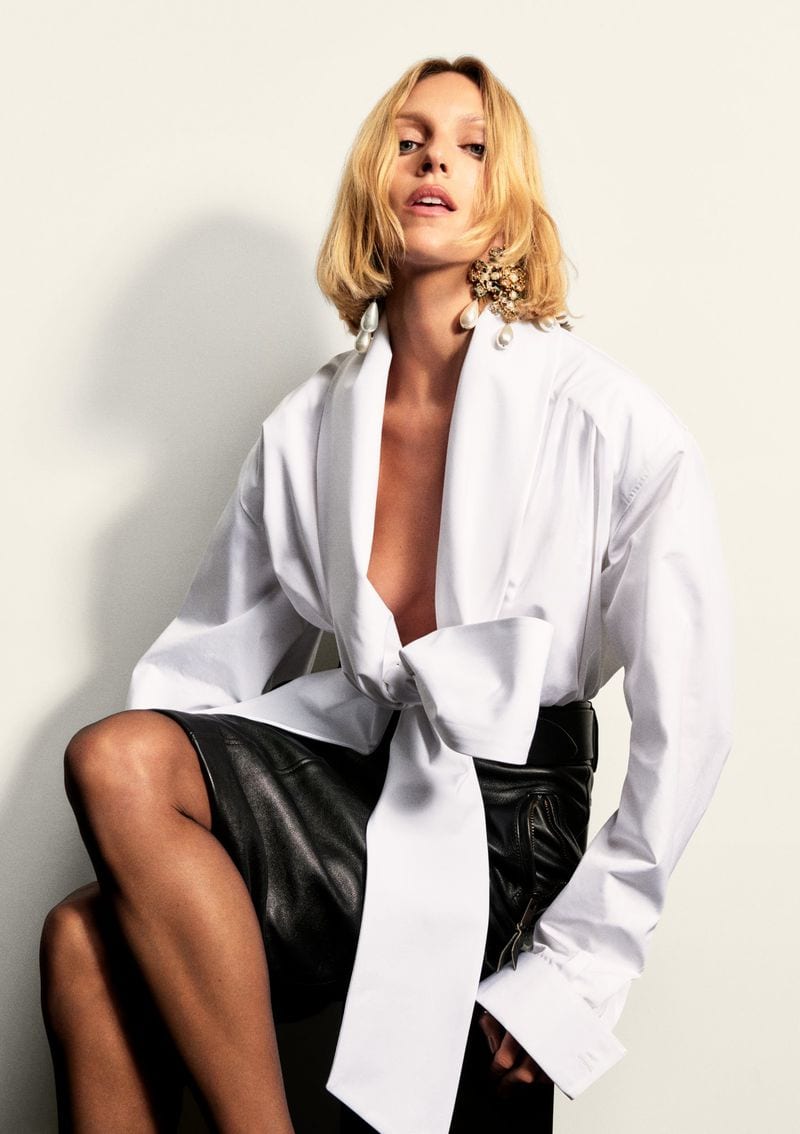
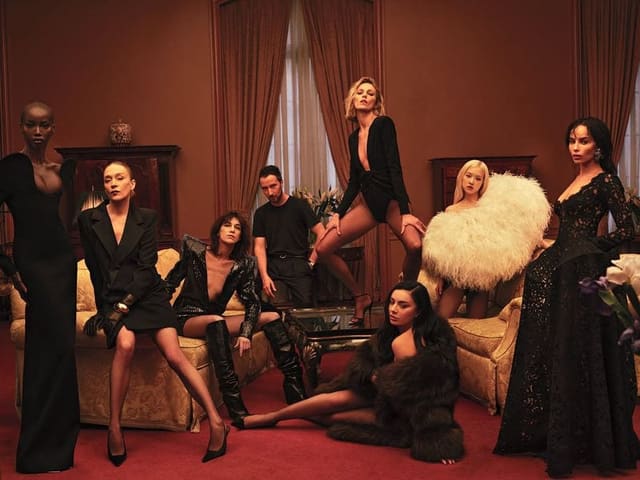
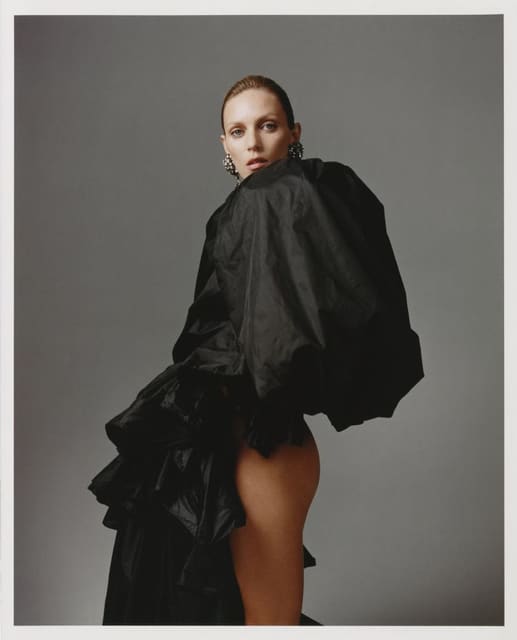
What has distinguished Rubik across a quarter-century is range and staying power. She has been booked as readily for raw, provocative editorial as for the most polished luxury advertising, and she has remained a fixture of the front rank long after most of her contemporaries moved on. Designers returned to her for a particular quality — a cool, knowing sensuality paired with a visible intelligence — that made her as compelling in an interview as on a runway, and that, more than any single campaign, explains a career that has now spanned the better part of three decades without a fallow stretch.
25 Magazine and the #SEXEDPL movement
If the runway made Rubik famous, her work off it made her a public figure of a rarer kind. In 2012 she founded 25 Magazine, an annual art-and-fashion print publication that she edits. Her largest cultural footprint, however, is activist. Galvanised by Poland’s 2016 “Black Protest” demonstrations against tightening abortion law, Rubik launched #SEXEDPL in 2017, a nationwide campaign for comprehensive sex education in a country where the subject is fiercely contested. In September 2018 she published an accompanying book, distributed copies to schools across Poland, and established the SEXEDpl Foundation, later recognised by United Nations bodies for its work. In 2022 Time named her among the most influential women in Europe for the effort, which sits alongside her advocacy on abortion access, LGBT+ rights and sustainability.
The campaign was not a safe one. In a deeply Catholic country where sex education is politically charged, Rubik used her fame as leverage and paid a price for it — official criticism and a public backlash she met without retreating. That she pressed on regardless turned a model best known for a gold bodysuit into one of the most visible activists in Polish public life, and reframed her entirely: not simply a face that sold clothes, but a woman who had picked a fight and refused to drop it.
The Private Side
Rubik’s best-documented relationship is with the Serbian model Sasha Knežević. The two married in 2011, and in October 2015 Rubik confirmed that they had separated; they later divorced and have remained on amicable terms. She has kept the rest of her private life largely to herself, and there is no reliably reported current partner or children in the public record — a reticence in keeping with a woman who has chosen, very deliberately, which parts of her life to make public and which to protect.
Earnings and net worth
Celebrity-finance aggregators do publish net-worth estimates for Rubik, but the figures vary from one outlet to the next, rest on no disclosed methodology, and are best presented as rough estimates rather than fact. What is documented is the foundation beneath any such number: a multi-decade career as the face of Chloé, a fixture at Gucci and Fendi, a muse to Saint Laurent, and the founder of both a magazine and a foundation.
Where she is now
As of 2026, Rubik remains a working top-tier model — covering Harper’s Bazaar France in 2025 and continuing in Saint Laurent campaigns — while building out a dual identity as editor-in-chief of 25 Magazine and founder of the SEXEDpl Foundation. Few models have used the platform of the runway so pointedly for something beyond it, and fewer still have been willing to risk their commercial standing on a cause as divisive at home as hers. It is, in the end, what sets her apart: a supermodel who decided that being looked at was not the same as being heard, and went looking for the second.