Skip to content

    Ashley Graham

    New York
    IMG Models
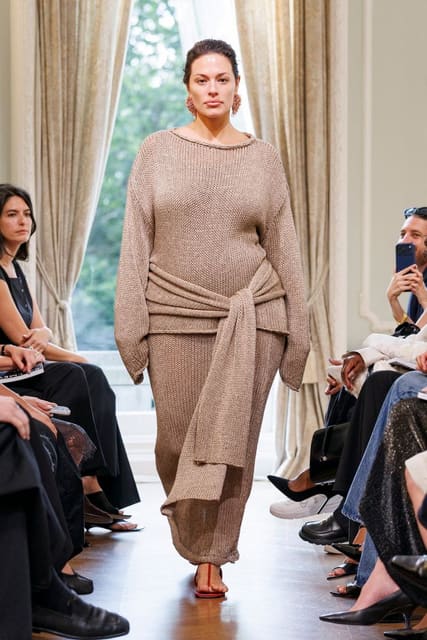
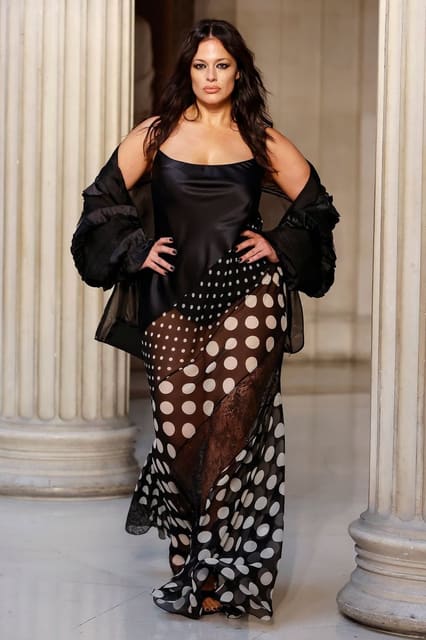
    Ashley Graham — photo 1

    Photo: IMG Models · Report issue

    For decades the cover of the Sports Illustrated Swimsuit Issue functioned as fashion’s narrowest doorway — and in February 2016, Ashley Graham walked through it as the first openly size-16 model ever to land there. That single image did more than launch a career into orbit; it forced an entire industry to defend, and then abandon, the idea that there was only one shape worth photographing. Graham has spent the years since insisting she was never the exception that proves the rule. She was the rule, finally getting printed.

    From a Lincoln mall to a modelling contract

    Ashley Ann Graham was born on 30 October 1987 in Lincoln, Nebraska. Diagnosed in her youth with both dyslexia and ADHD, she has spoken openly about learning differences that were part of a childhood in which she never felt like the conventional standout. The pivot came at twelve, when she was scouted by a modelling agency while shopping at a mall in Omaha. “It was pretty wild,” she later recalled of the discovery. She signed young, worked through her teens, and is today represented by one of the biggest agencies in the business — the unglamorous groundwork beneath a career that would later be framed as an overnight sensation.

    The work: pioneering the “curve” model

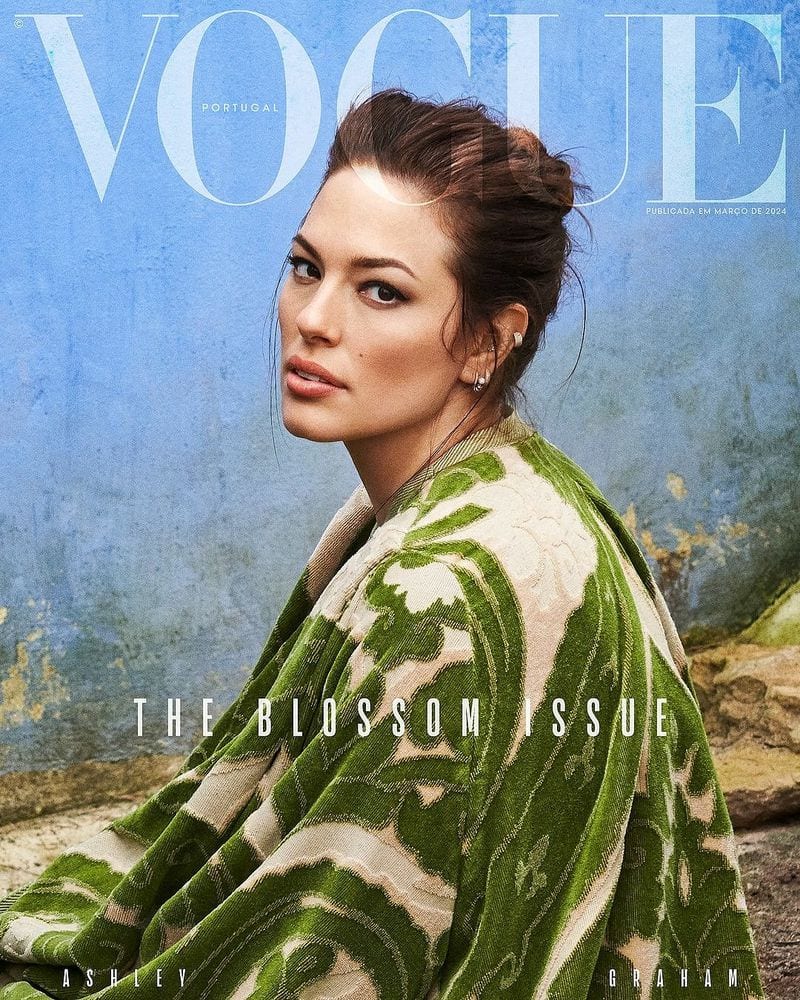
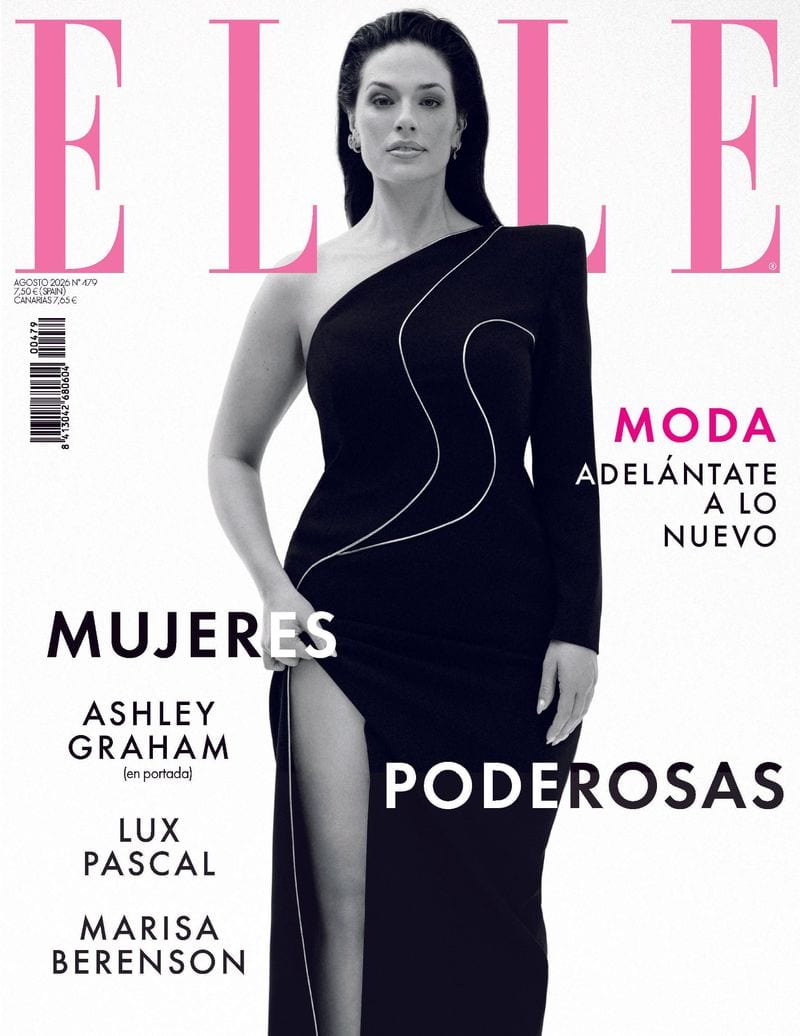
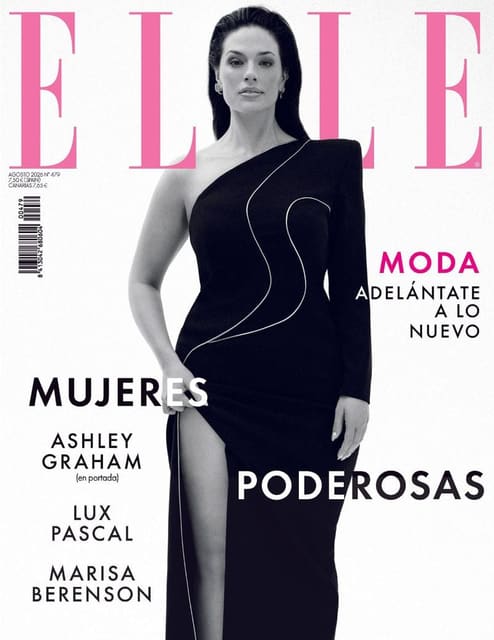
    Graham’s breakthrough was not a single moment but the deliberate dismantling of a gate. In February 2015 she became the first plus-size model to appear in an advertisement inside the Sports Illustrated Swimsuit Issue; a year later, in 2016, she made history as the first size-16 model on the cover itself, one of three the magazine ran that year. The covers multiplied. In March 2017 she earned her first American Vogue cover, on a group “diversity” cover alongside Gigi Hadid, Vittoria Ceretti and Imaan Hammam, among others — an image that drew both celebration and criticism, the latter for whether one curve model among six amounted to true diversity. Graham defended it on her own terms.

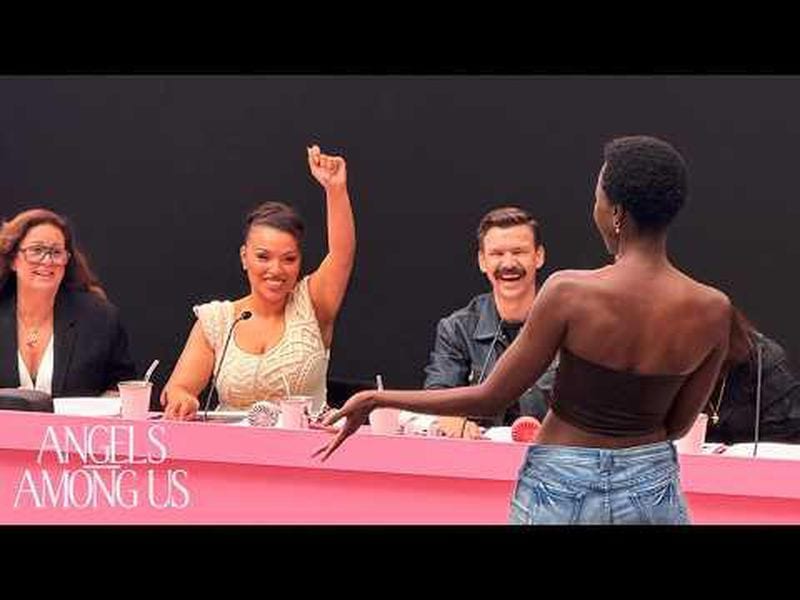
    Her business empire grew alongside the editorials. She had been designing lingerie since 2013, and in 2016 launched her own swimwear line. That same year Mattel honoured her with a one-of-a-kind Barbie doll built to her actual measurements. She turned her advocacy into a platform, too: a widely-watched TED talk, a 2017 memoir, and an interview podcast that became a hit. Hosting work followed across reality and competition television, and with each new venture she pushed the same argument from a new angle — that curve bodies belonged at the centre of fashion, not in a separate category beside it.

    Few models have built so wide a business from a body the industry had tried to keep off its covers. Across a single decade she became a designer, an author, a podcaster and a television host, each venture turning her visibility into ownership rather than merely exposure. The strategy was pointed: every line she designed and every panel she hosted was, in part, an argument that the market for curve women was not a niche to be condescended to but a mainstream the industry had simply ignored. Brands that had once kept plus sizes in a back catalogue began putting them on the runway, and a category long treated as an afterthought started to look, instead, like an opportunity.

    Cultural impact

    Graham’s significance is best measured not in covers but in vocabulary. She helped move “body positivity” and “size inclusivity” from activist margins into mainstream fashion’s commercial centre, and she pushed brands and magazines to treat curve models as headline talent rather than tokens. Just as pointedly, she has campaigned to retire the term “plus-size” itself, arguing that it isolates the very women it claims to serve. She was named a Glamour Woman of the Year in 2016, and for a generation of women who had never seen a body like theirs sold as aspirational, she became a kind of permission.

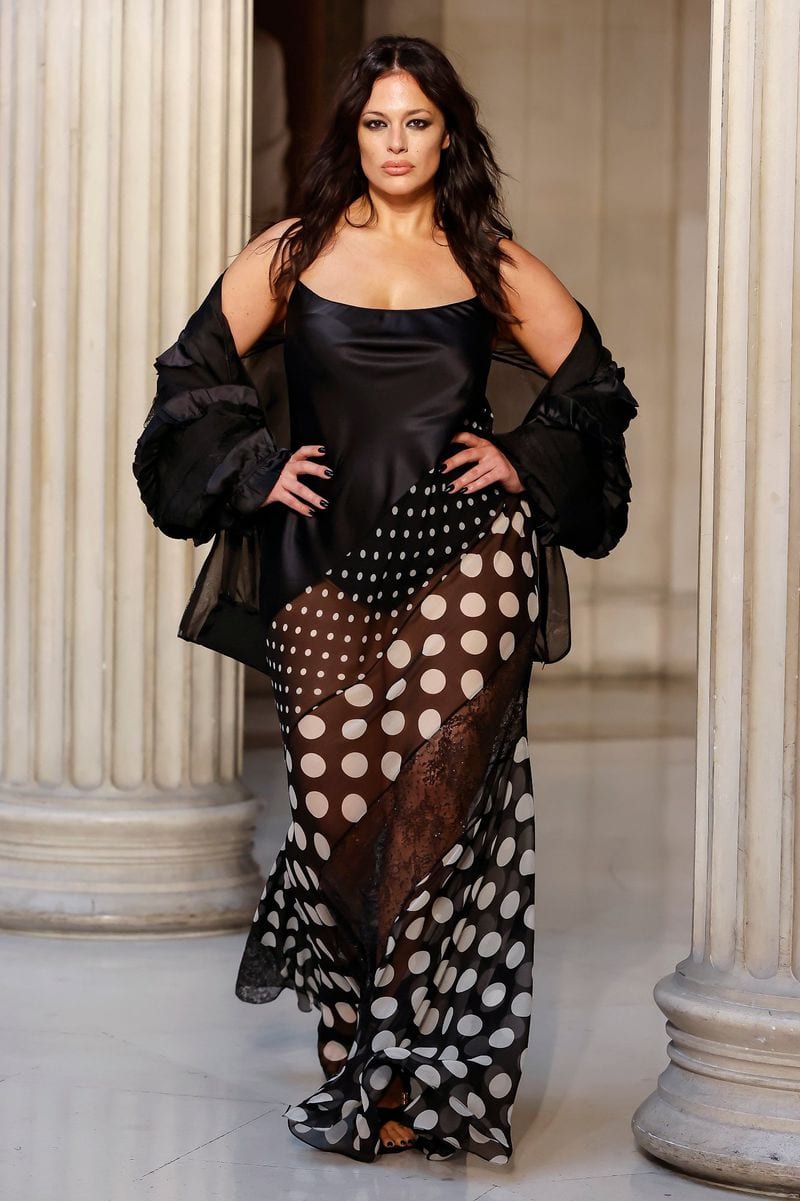
    What set Graham apart from earlier curve models was that she refused the qualifier entirely. She did not ask to be slotted into fashion’s existing categories; she insisted that the categories themselves were the problem. That stance made her a lightning rod — for praise and, at times, for backlash — but it also made her impossible to ignore, and over time the industry moved, however grudgingly, in her direction. The casual presence of curve models on covers and catwalks in the 2020s, and much of the vocabulary the business now uses to talk about bodies, is in no small part her doing.

    The Private Side

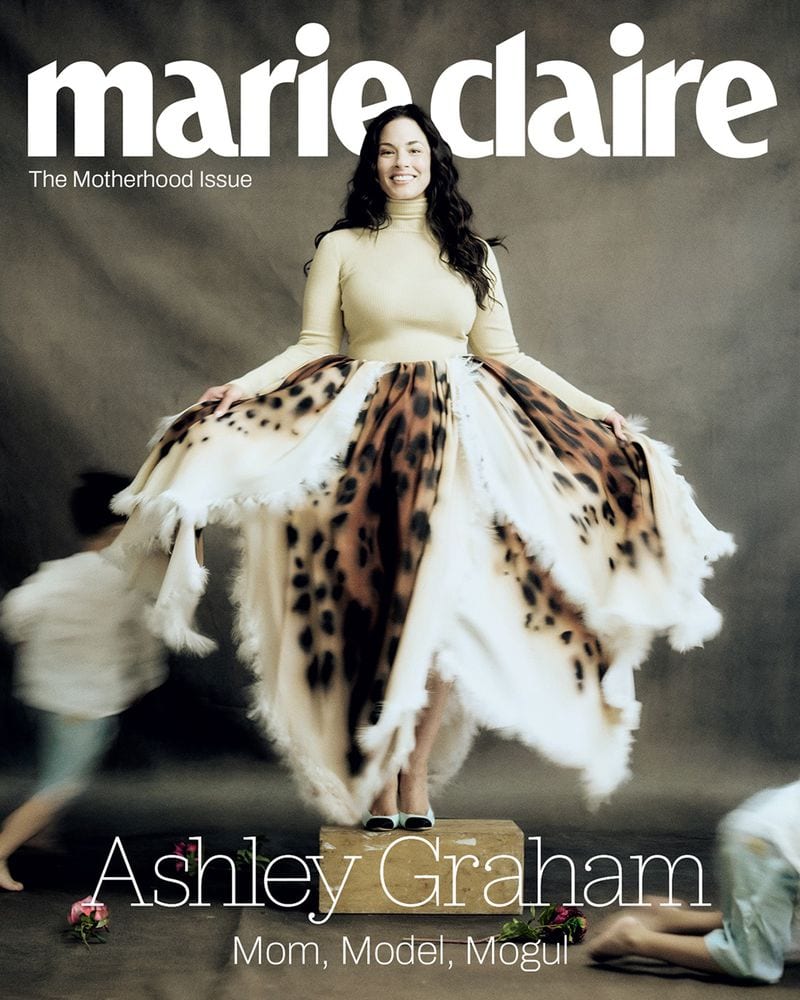
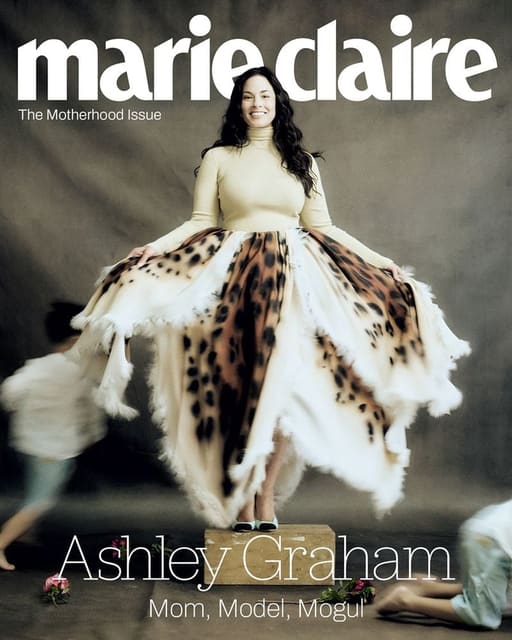
    Graham married the cinematographer Justin Ervin in 2010, a marriage consistently reported as steady and central to her public life. The couple have three sons: Isaac, born in January 2020, and twins Malachi and Roman, born in January 2022. She has spoken often and candidly about motherhood — about her body before and after pregnancy, about postpartum recovery, and about raising her boys with the same body-acceptance message she built her career on — making her family life less a private retreat than an extension of her advocacy.

    Earnings and net worth

    No audited figure exists publicly. Estimates from celebrity-finance trackers run into the tens of millions of dollars but range widely and disagree with one another, so they are best read as approximations rather than verified accounts. Her reported income streams are unusually diversified for a model: editorial and runway work, television hosting, her swim and lingerie lines, her memoir, her podcast, and brand partnerships — a portfolio that reflects how thoroughly she turned a modelling career into a business.

    Where she is now

    In 2025, Graham checked off a literal vision-board goal, making her Broadway debut as Roxie Hart in the long-running revival of Chicago. “Dreams do come true,” she told an interviewer. She continues to model, host, write and run her fashion ventures, still pressing the case she has made since that 2016 cover — that there was never only one shape worth photographing, and that the doorway she walked through should stay open behind her.

    Instagram
    @ashleygraham

    Quick Facts

    June 29, 1989 (37 years)
    IMG Models
    First size-16 SI Swimsuit cover (2016), Body-positivity & size-inclusivity pioneer, Her own Barbie doll (2016), 'Pretty Big Deal' podcast & swim lines, 2025 Broadway debut in 'Chicago'

    Known For

    First size-16 SI Swimsuit cover (2016)Body-positivity & size-inclusivity pioneerHer own Barbie doll (2016)'Pretty Big Deal' podcast & swim lines2025 Broadway debut in 'Chicago'
    Ashley Graham — Biography, Facts & Career | GetModel