Skip to content

    Kate Moss

    London
    Storm Models
    Kate Moss — photo 1

    Photo: Storm Models · Walterlan Papetti / CC BY-SA 4.0 · Report issue

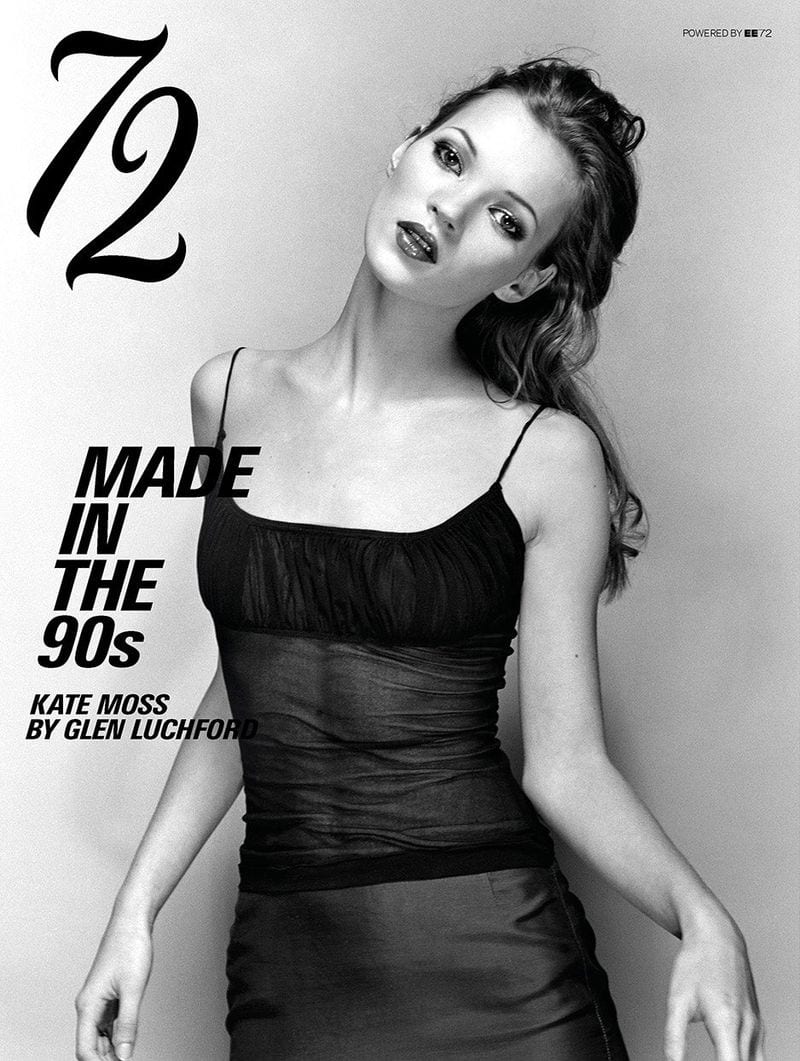
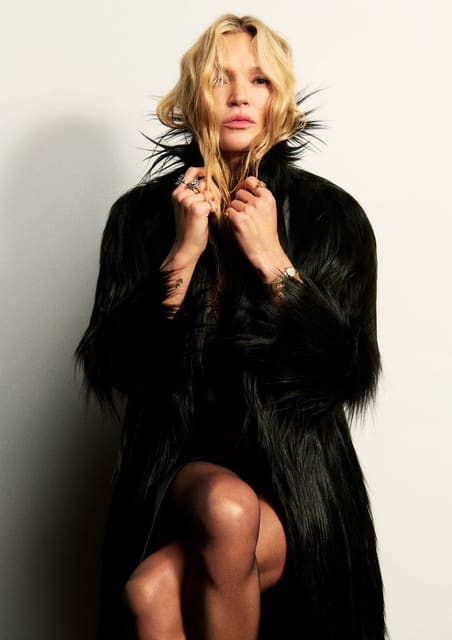
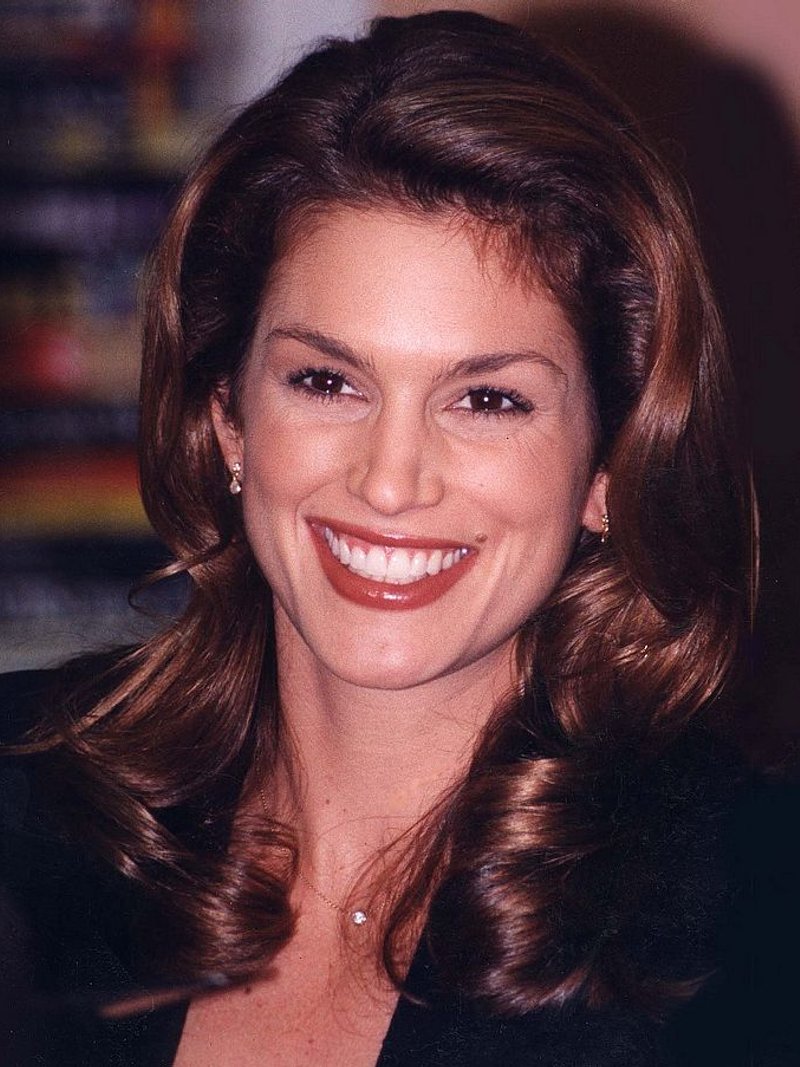
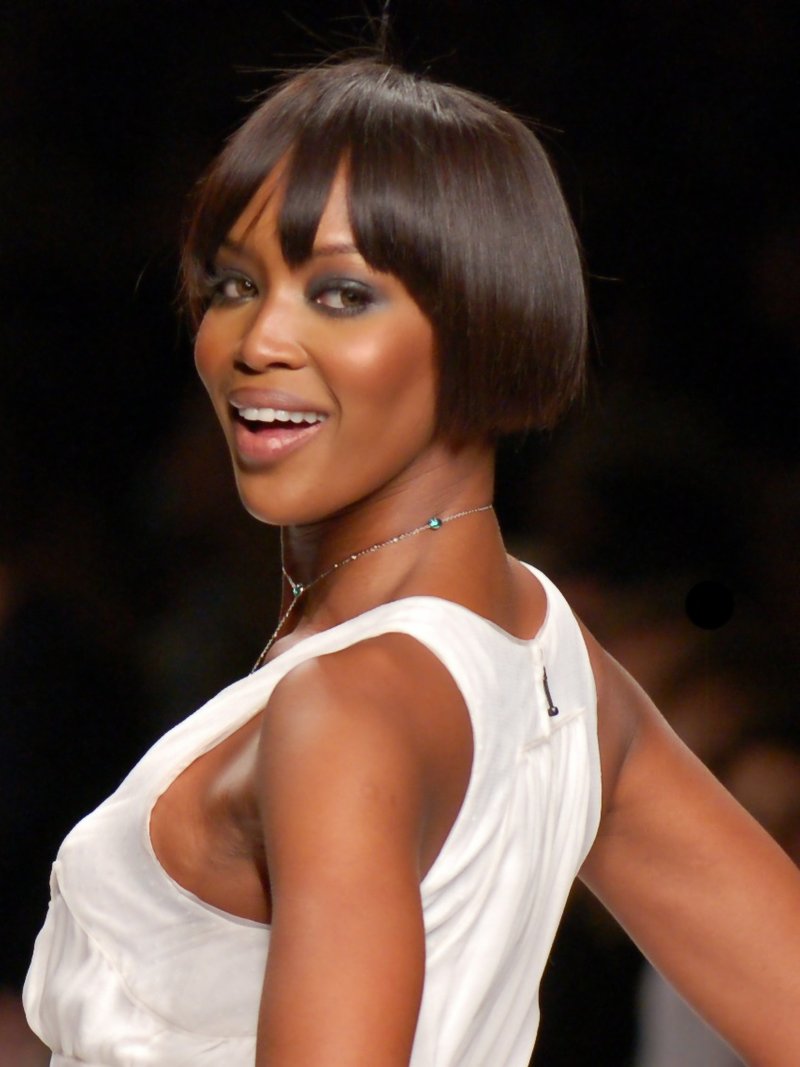
    In an era of six-foot glamazons with cascading hair and aerobic curves — the Cindy-Linda-Naomi pantheon — Kate Moss walked in and shrank the whole picture. Slight, freckled and strikingly ordinary in the most extraordinary way, she became the face that broke the supermodel mould: the “waif,” the Calvin Klein girl, the patron saint of grunge who proved that attitude and a camera-magnetic strangeness could eclipse conventional perfection. Three decades on, she is still routinely called the most influential model of her generation. No model since has matched her singular hold on fashion’s imagination, and few careers in any field have proved so durable: she has been a magazine cover star, a household name and a cultural shorthand for a certain kind of cool across five different decades.

    Croydon to a JFK departure lounge

    Katherine Ann Moss was born on 16 January 1974 in Croydon, south London, about as far from fashion glamour as a childhood could be. In 1988, aged fourteen, she was spotted in the departures lounge of New York’s JFK Airport — on her way home from a Bahamas holiday — by Sarah Doukas, the founder of Storm Management. That chance encounter launched a career that has run, without any real break, ever since.

    The Face, Calvin Klein and a cover record

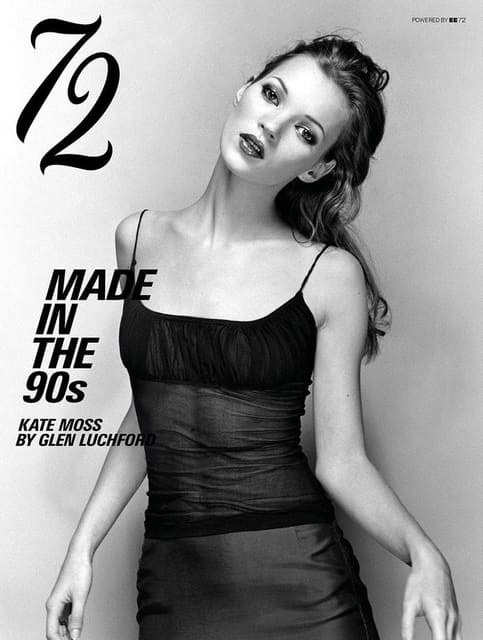
    Her breakthrough came in July 1990, when the photographer Corinne Day shot her — barely sixteen, grinning and sunburnt on Camber Sands — for The Face. The grainy, anti-glamour black-and-white images are now considered one of the most important shoots in fashion history and a founding document of the “waif” aesthetic. Then came Calvin Klein, the partnership that made her globally famous: a 1992 underwear campaign beside the rapper Mark Wahlberg, and, the following year, the spare, nude Obsession fragrance images shot by her then-boyfriend Mario Sorrenti. Her slenderness also made her a lightning rod — a 1996 campaign helped cement the term “heroin chic,” and the moral panic peaked when President Bill Clinton himself condemned the trend in 1997.

    What made Moss revolutionary was not only how she looked but what she represented: a deliberate turn away from the polished, aspirational supermodel toward something rawer, stranger and more real. To her critics she was the face of an unhealthy ideal; to the photographers, designers and teenagers who adored her she was a liberation — proof that fashion’s carefully gatekept notion of beauty could be rewritten by a girl from Croydon who looked nothing like the women who had come before. That tension, between muse and lightning rod, would follow her for the rest of her career.

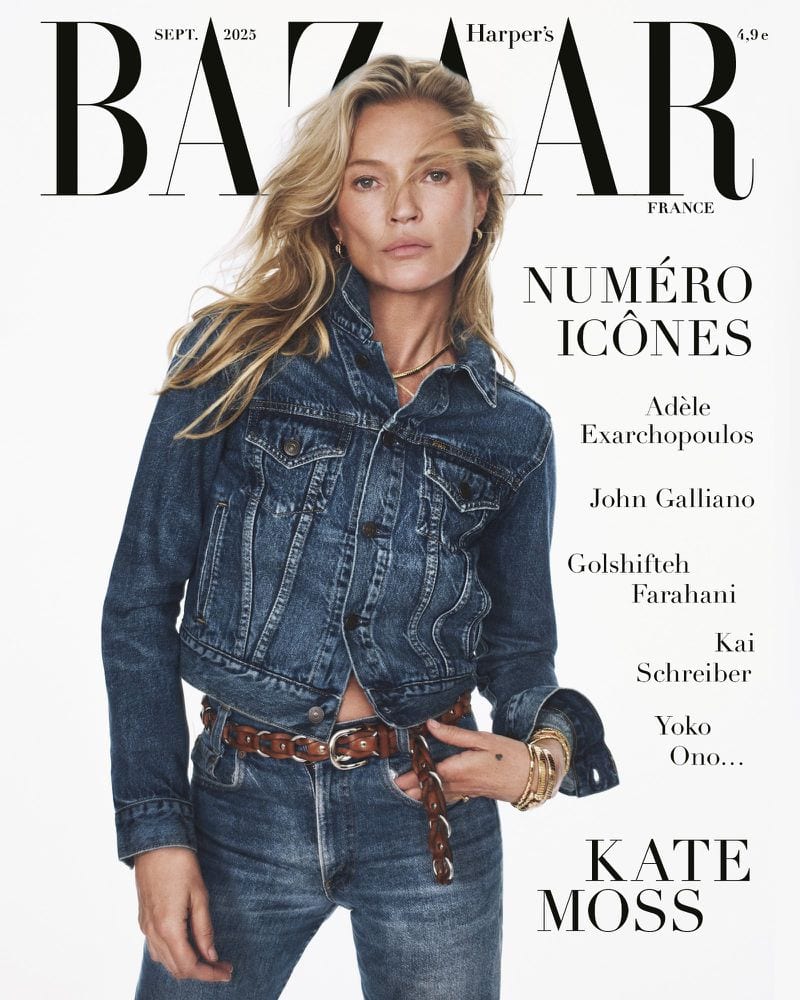
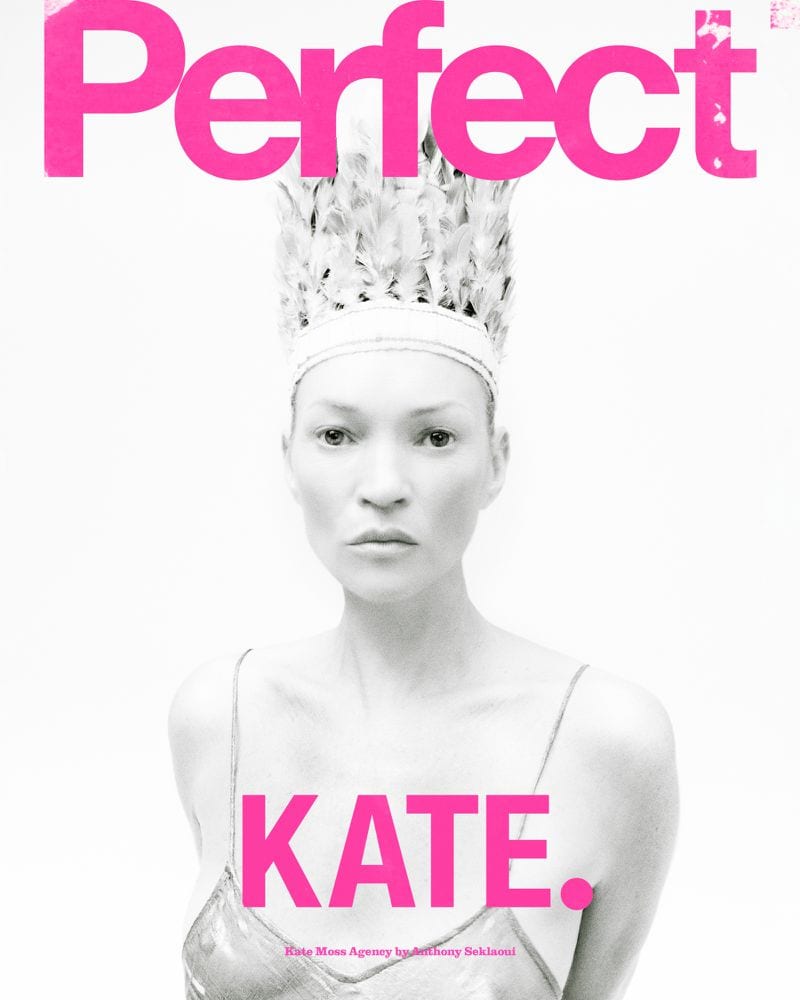
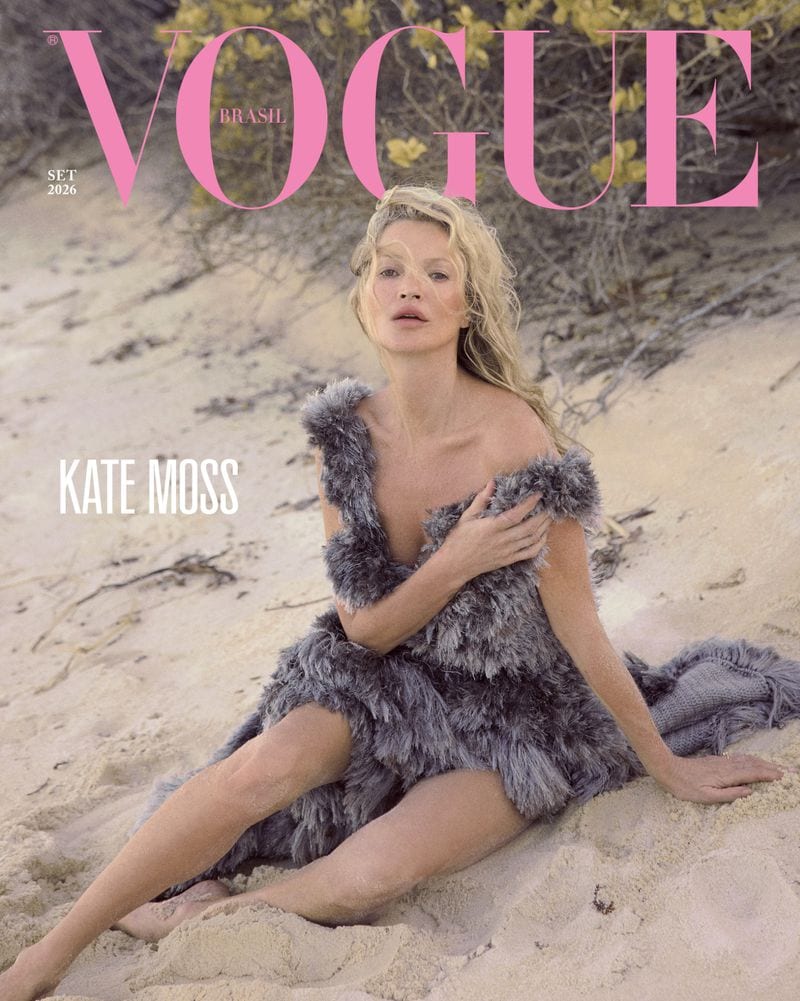
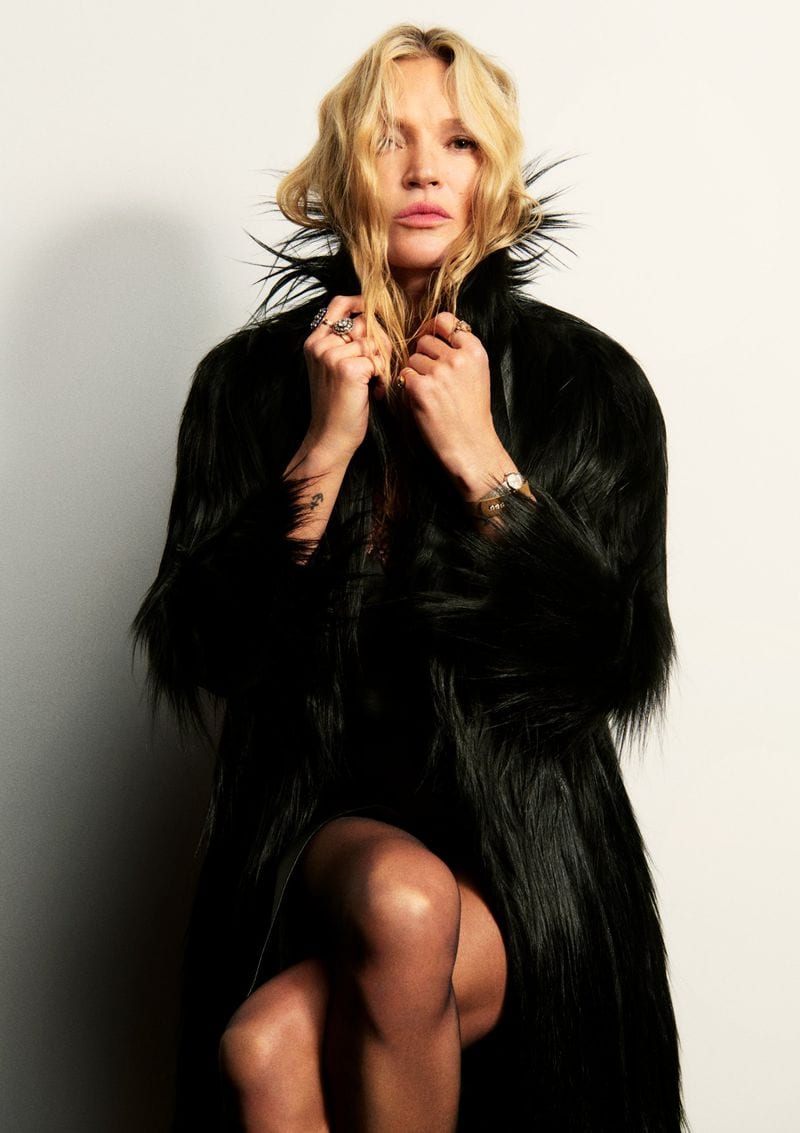
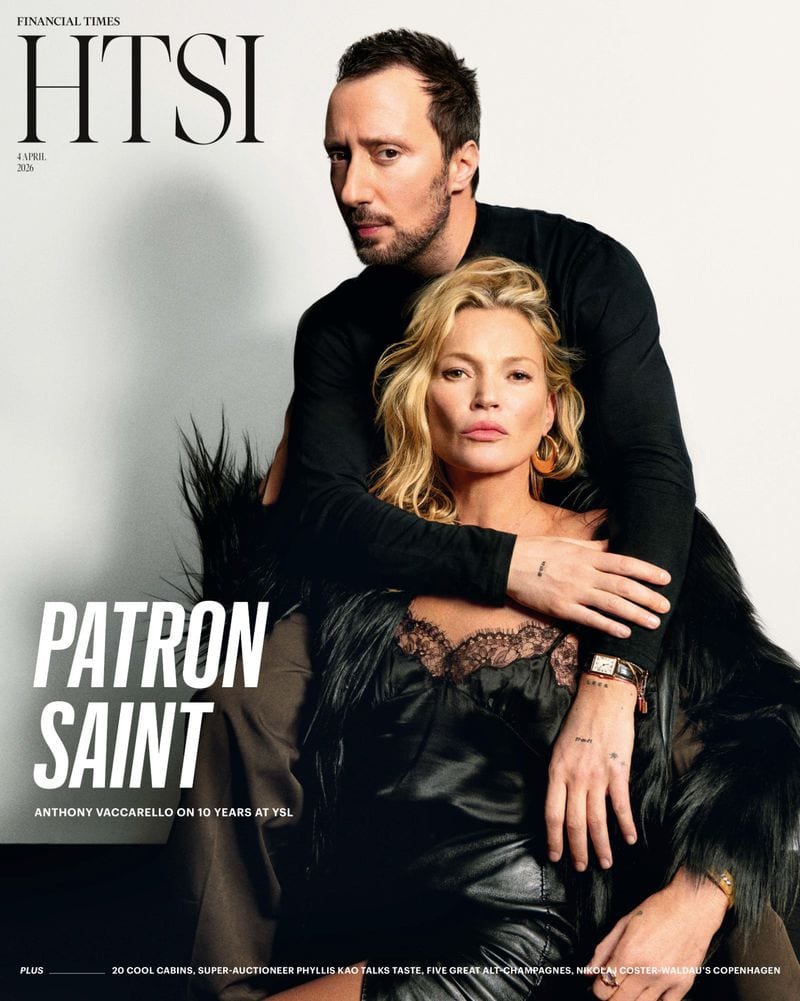
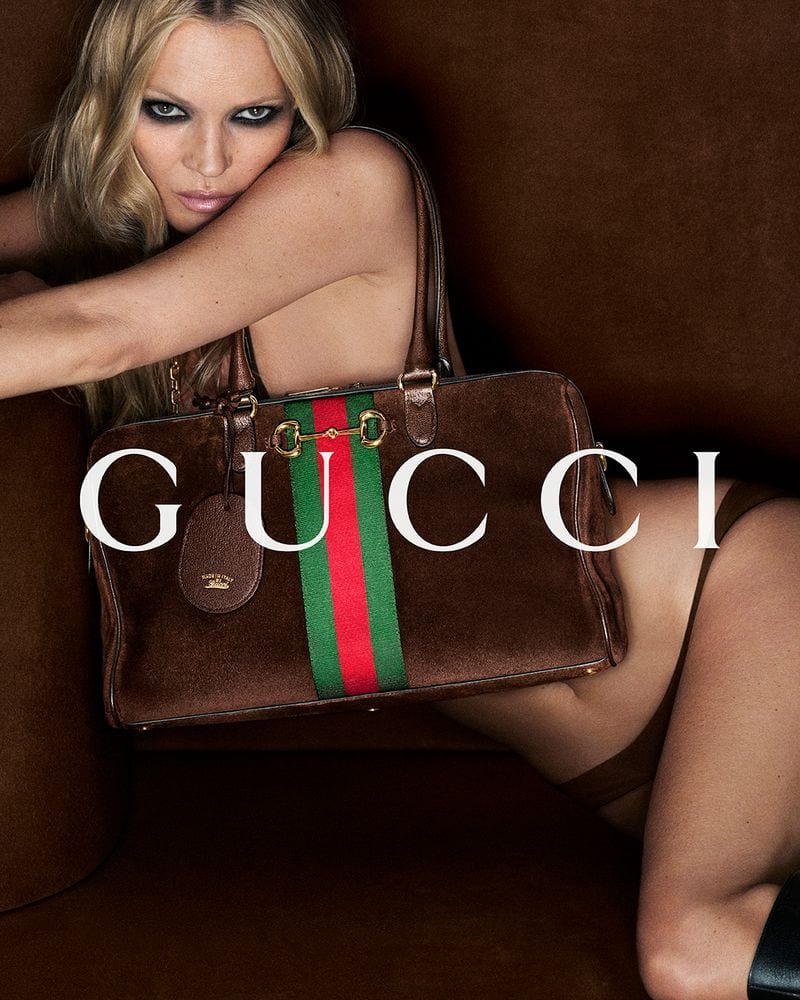
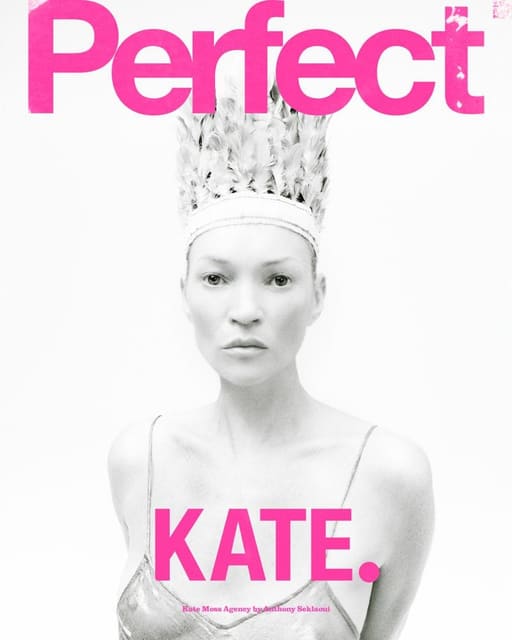
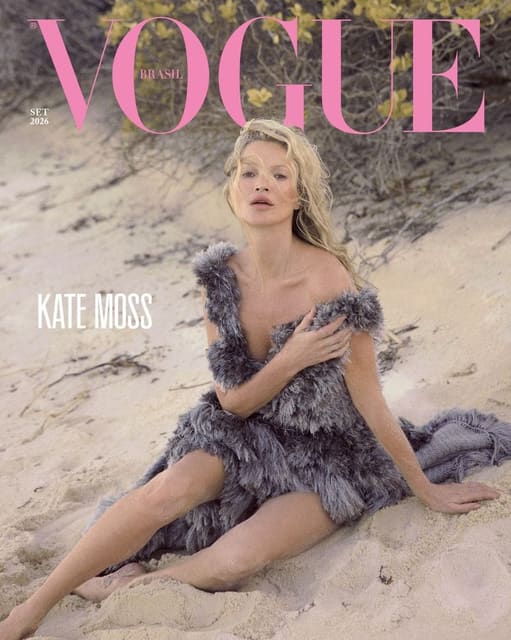
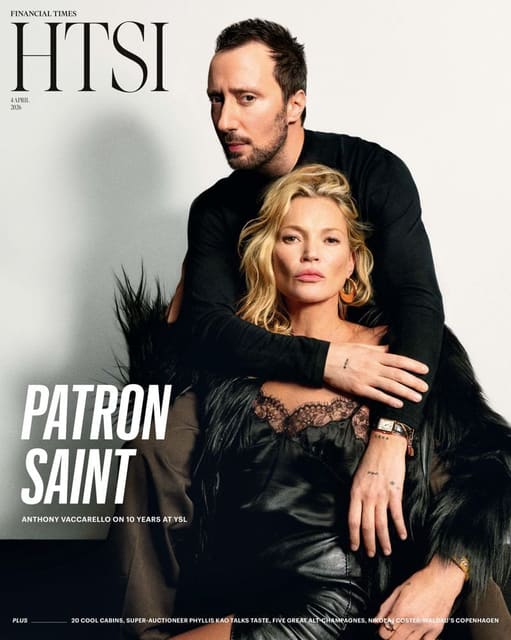
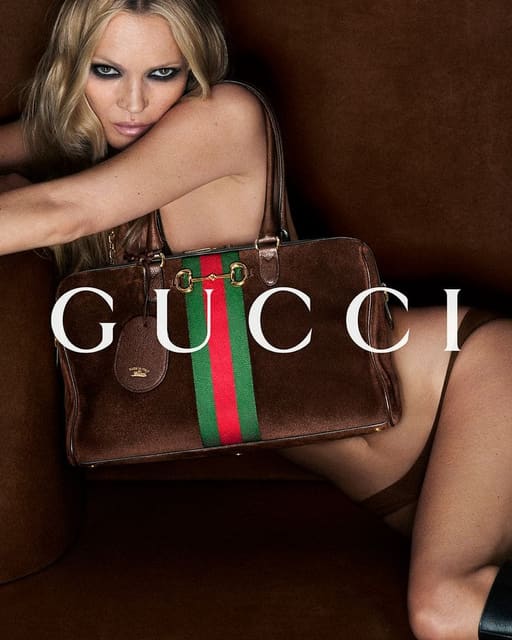
    The sheer volume of her work is staggering. She has appeared on more than 300 magazine covers, among them more than thirty British Vogue covers, the first in March 1993. She has fronted campaigns for Chanel, Louis Vuitton, Versace, Burberry, Gucci, Dior, Yves Saint Laurent, Alexander McQueen and Rimmel, among many others. Beyond modelling she became a designer and entrepreneur, launching a sell-out Kate Moss for Topshop line in 2007 and a long-running fragrance collection, before founding her own venture, the Kate Moss Agency, in 2016 — a business built to manage talent rather than simply to be it.

    The Kate Moss effect

    Moss did not merely model clothes; she reset what a model could look like. Time named her one of the hundred most influential people in the world in 2007, and she became a muse far beyond fashion — the subject of paintings, sculptures and tabloid obsession in roughly equal measure. Designers spoke for years of casting “a Kate Moss type”; her off-duty uniform of skinny jeans, ankle boots and vintage finds became one of the most imitated personal styles in the world; and she was among the first models whose every street-corner outfit was photographed and copied, blurring the line between runway and real life in a way that anticipated the influencer age by two decades. Few faces have been so endlessly reproduced, or so thoroughly woven into the visual memory of an era.

    The Private Side

    Her romances were as headline-making as her campaigns. She dated the actor Johnny Depp from 1994 to 1998, was later engaged to the musician Pete Doherty, and married The Kills guitarist Jamie Hince in July 2011, divorcing in 2016; her long relationship with the photographer Count Nikolai von Bismarck ended in late 2024. Her daughter, Lila Grace, was born in September 2002; her father is the Dazed & Confused co-founder Jefferson Hack, and Lila is now a successful model in her own right. In September 2005 a tabloid published photographs alleging drug use, and several brands briefly dropped her; she met police voluntarily, was never charged, and the matter was dropped the following year for lack of evidence. Her career rebounded almost at once — her earnings in the years after the episode exceeded those before it.

    Earnings and net worth

    Even at the height of the controversy, Moss was among the best-paid models alive: Forbes ranked her the world’s second-highest-earning model in both 2007 and 2012. Wealth trackers today estimate her fortune in the tens of millions of dollars — an unofficial figure that varies by outlet — built on three decades of campaigns, her Topshop and fragrance deals, and more recent business ventures. As with all such estimates, it should be read as an approximation rather than an audited number.

    Where she is now

    Moss turned fifty in January 2024 and marked the milestone quietly. In 2022 she launched the wellness brand Cosmoss — skincare, herbal teas and a fragrance — and has taken on creative roles and collaborations with major brands, while continuing to run the Kate Moss Agency. More than thirty-five years after a stranger noticed her in an airport queue, she remains less a working model than an institution. She has outlasted nearly every model she started alongside, and the look she pioneered — undone, individual, defiantly imperfect — has never quite gone out of style.

    Instagram
    @kaborni

    Quick Facts

    January 16, 1974 (52 years)
    1.72 m (5'8")
    Storm Models
    The 1990s 'waif' aesthetic, Calvin Klein & Obsession campaigns, 300+ magazine covers, Kate Moss for Topshop, Founder of the Kate Moss Agency

    Known For

    The 1990s 'waif' aestheticCalvin Klein & Obsession campaigns300+ magazine coversKate Moss for TopshopFounder of the Kate Moss Agency
    Kate Moss — Biography, Facts & Career | GetModel