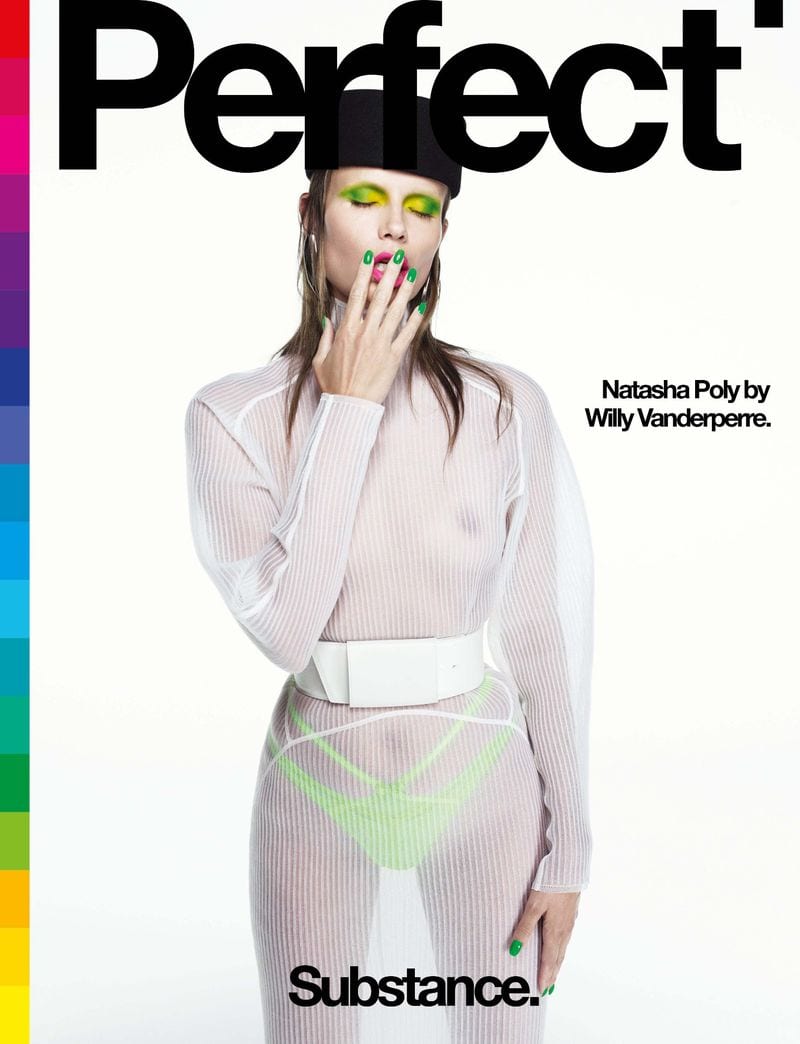
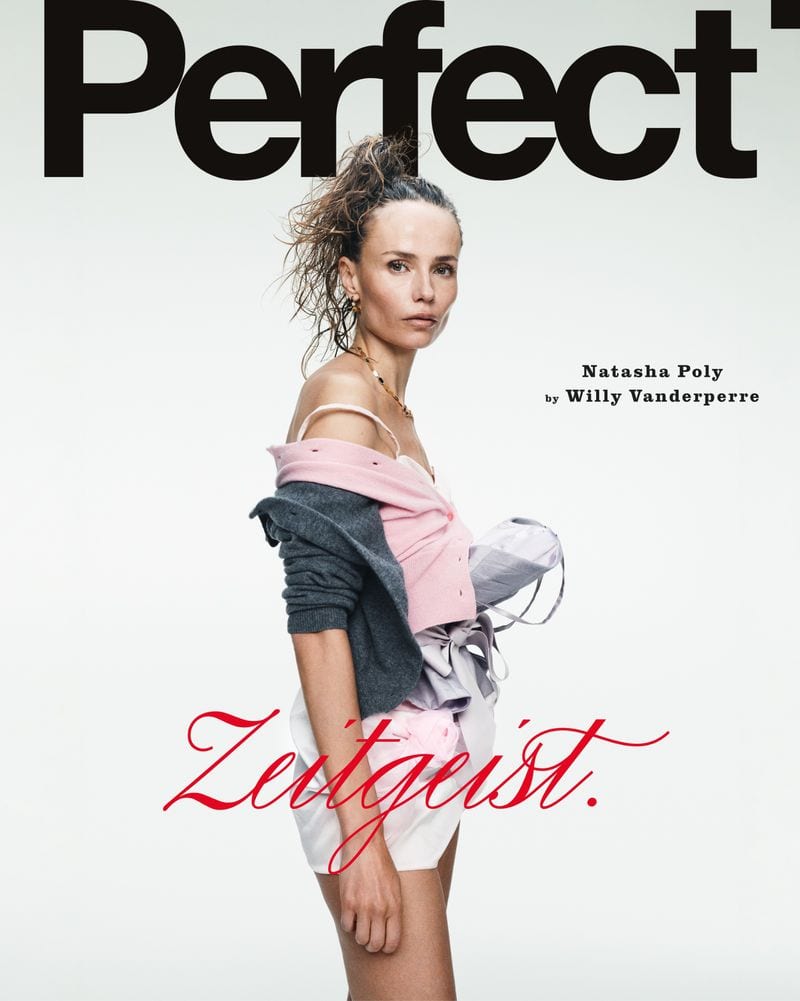
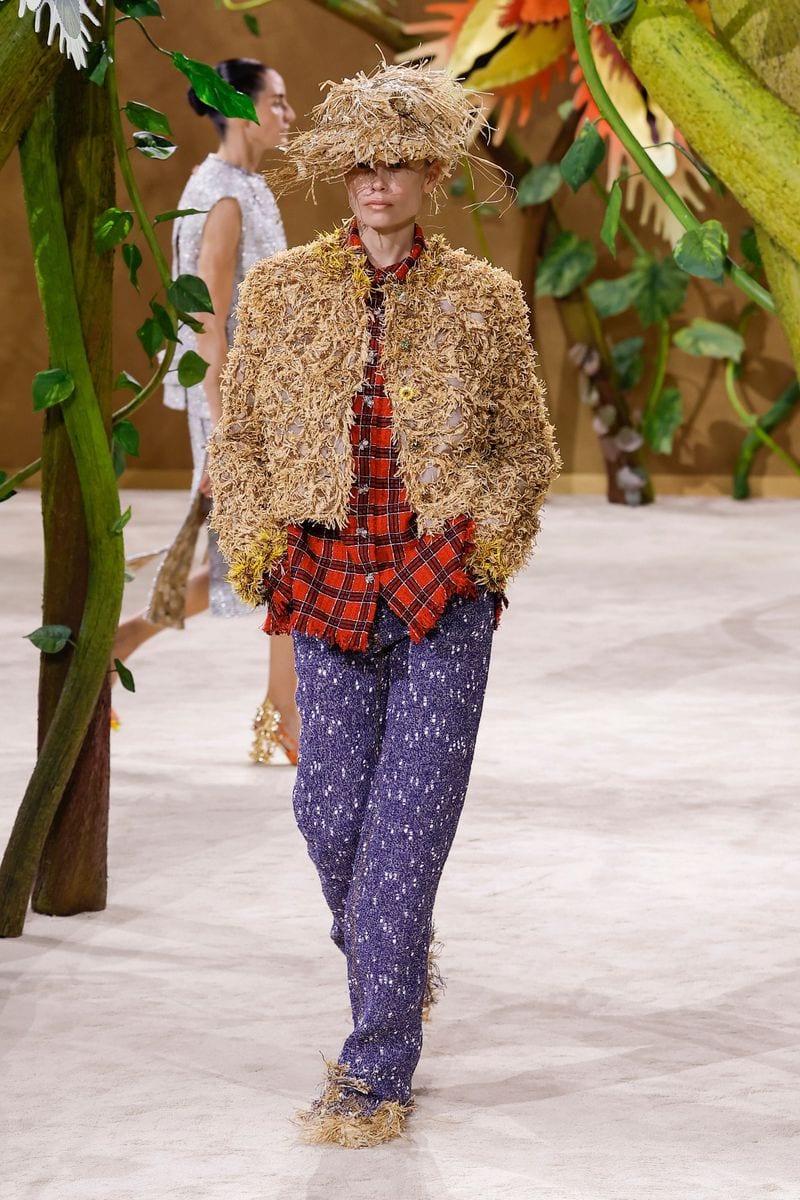
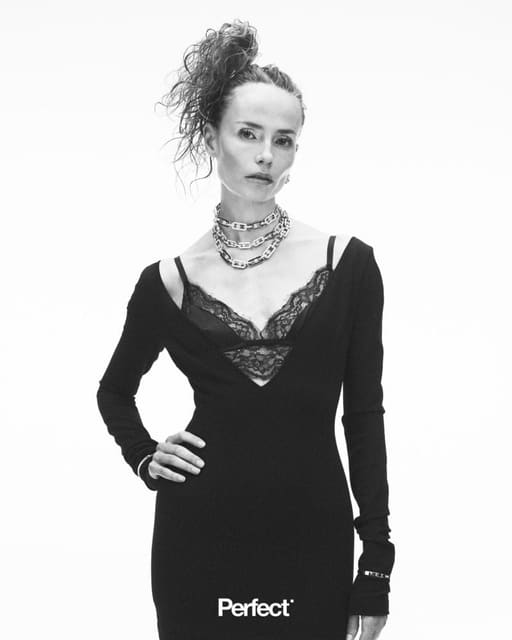
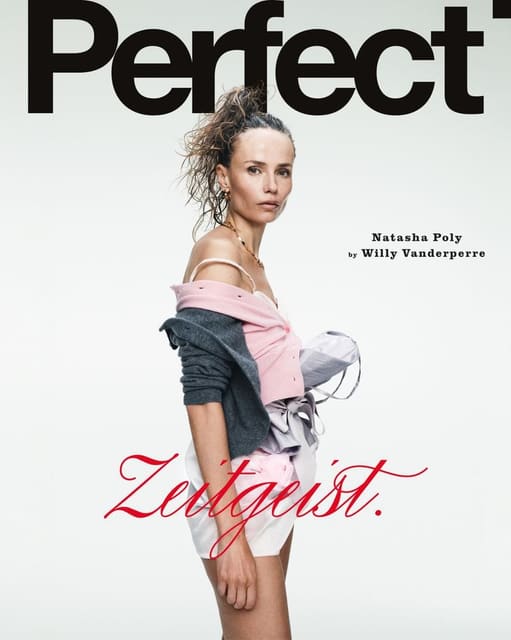
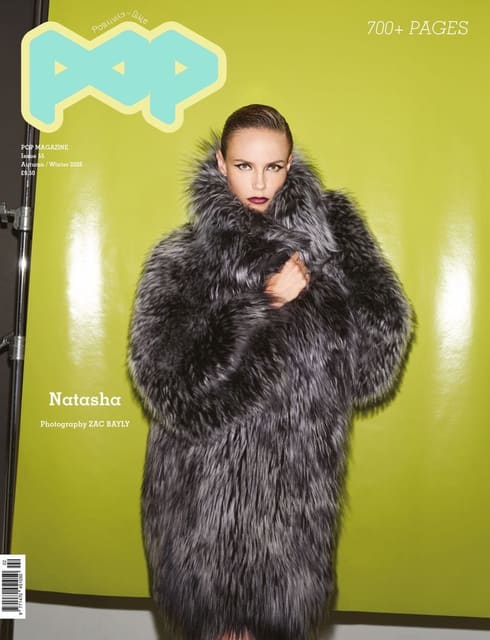
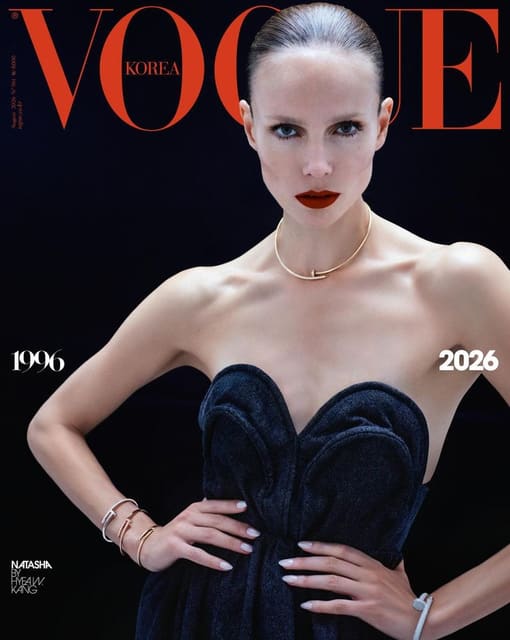
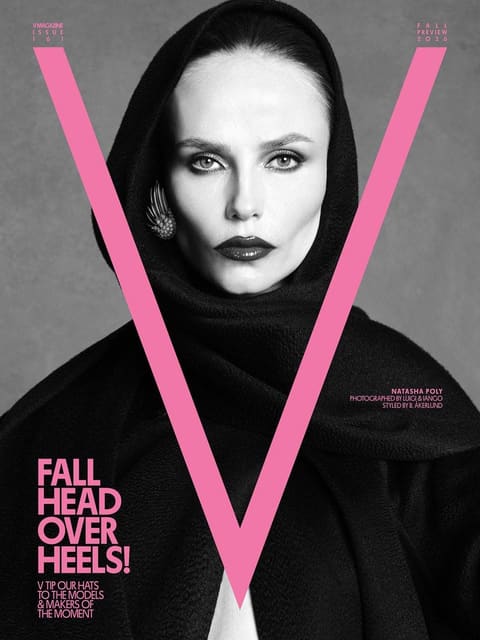
For three seasons running — Spring 2008, Fall 2008, Spring 2009 — no model on earth opened more designer runways than a blonde from the Ural Mountains. Fashion’s “First Face” rankings, which tally who opens the most shows each season, put Natasha Poly at number one three times in a row, a hat-trick that crowned her the busiest and most-requested catwalk model of the late 2000s. She was never merely a face of the moment. For the better part of a decade she was the face — and two decades after her debut she is still opening shows for Chanel, a longevity almost no peer has matched.
From Perm to the Paris runways
Natalia Polevshchikova was born on 12 July 1985 in Perm, an industrial city in the Urals, then part of the Soviet Union, into a family with no ties whatsoever to fashion. The turn came at fifteen: in 2000 she entered a Moscow model search, was spotted by a scout, and was funnelled into the talent pipeline that was then sending a whole generation of Russian girls west. Signed to the Why Not agency, she made her runway debut walking for Emanuel Ungaro in 2004. The world came to know her as “Natasha Poly” — a name Western casting directors could actually pronounce — and almost immediately she began to climb.
The work: the busiest model in fashion
What followed was one of the steepest ascents in modern modelling. In her 2004 debut season she walked 54 shows and landed two Vogue Paris covers; by 2005 her show count had more than doubled, and that November she walked the Victoria’s Secret Fashion Show. By 2007 she was appearing in roughly 250 shows across a single calendar of seasons — the punishing workload that produced the “First Face” dominance to come. Her campaign résumé reads like a directory of the luxury industry: Louis Vuitton, Gucci, Versace, Roberto Cavalli, Alexander McQueen, Calvin Klein, Fendi, Oscar de la Renta, Balmain, Mugler, H&M and L’Oréal among them. She was a fixture of the Gucci universe in the years it defined runway glamour, and her tally of Vogue covers across international editions climbed past fifty.
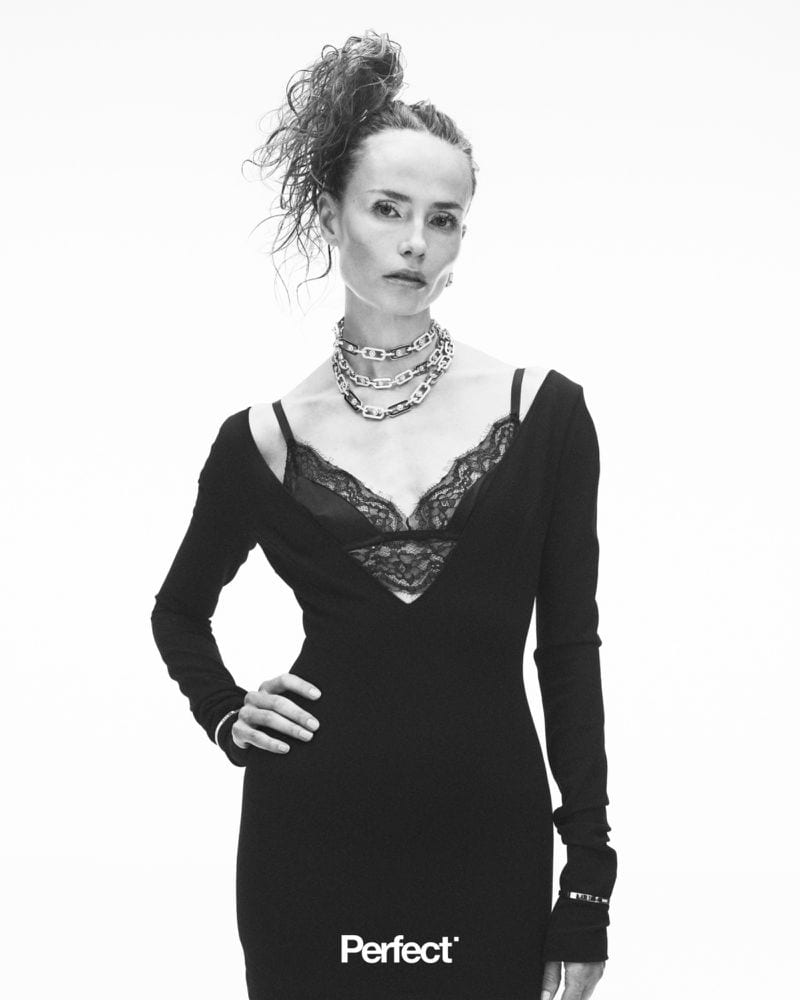
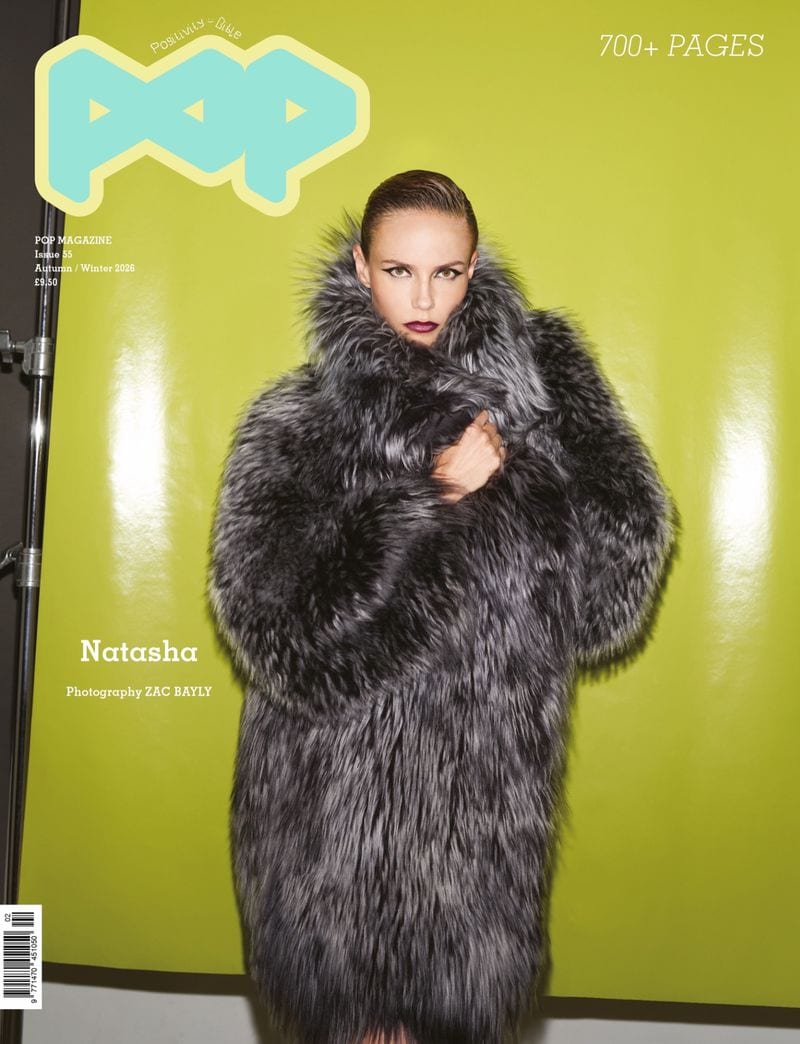
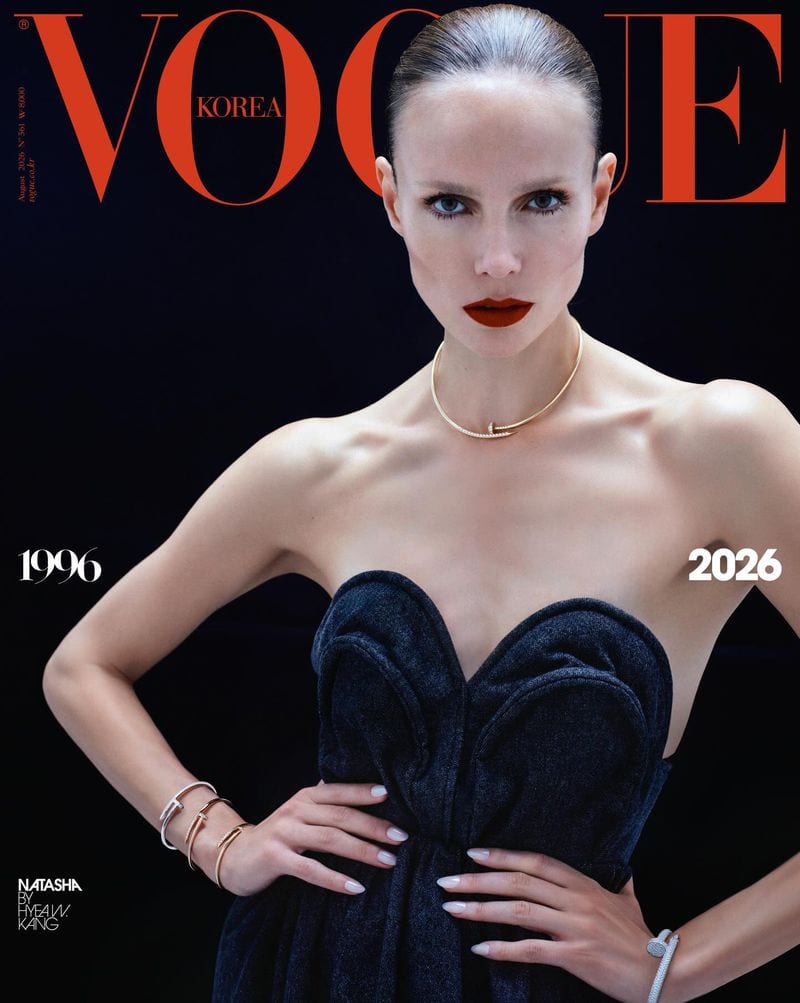
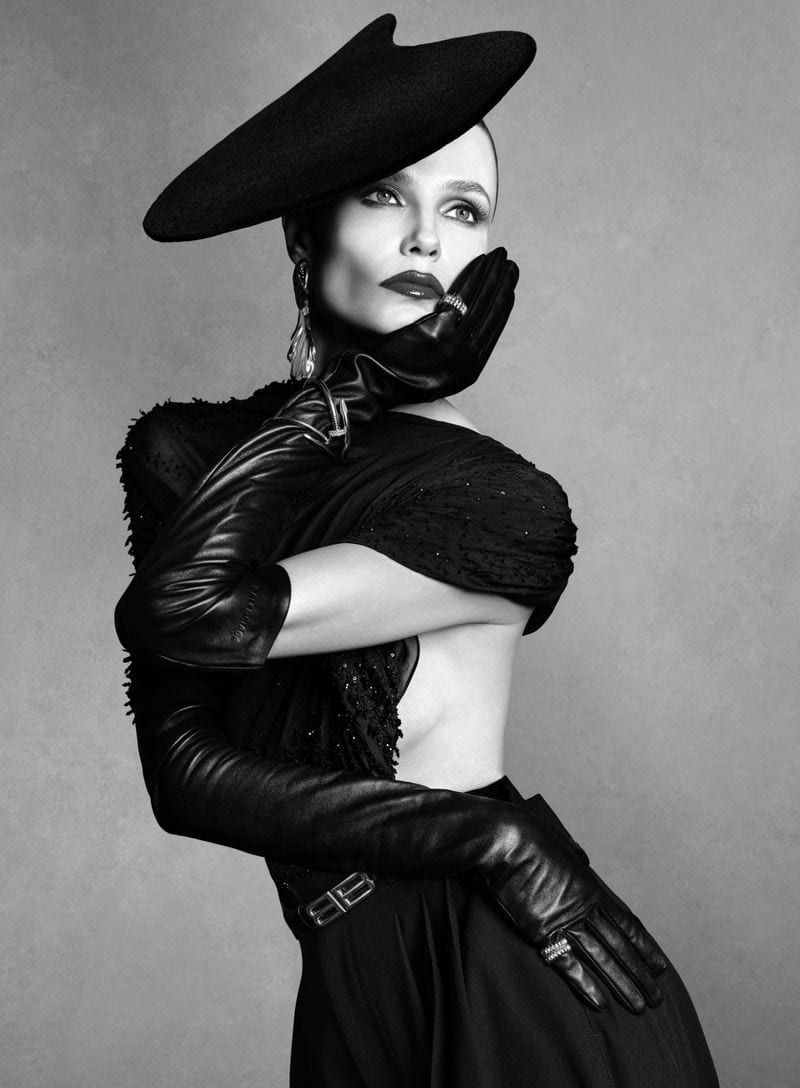
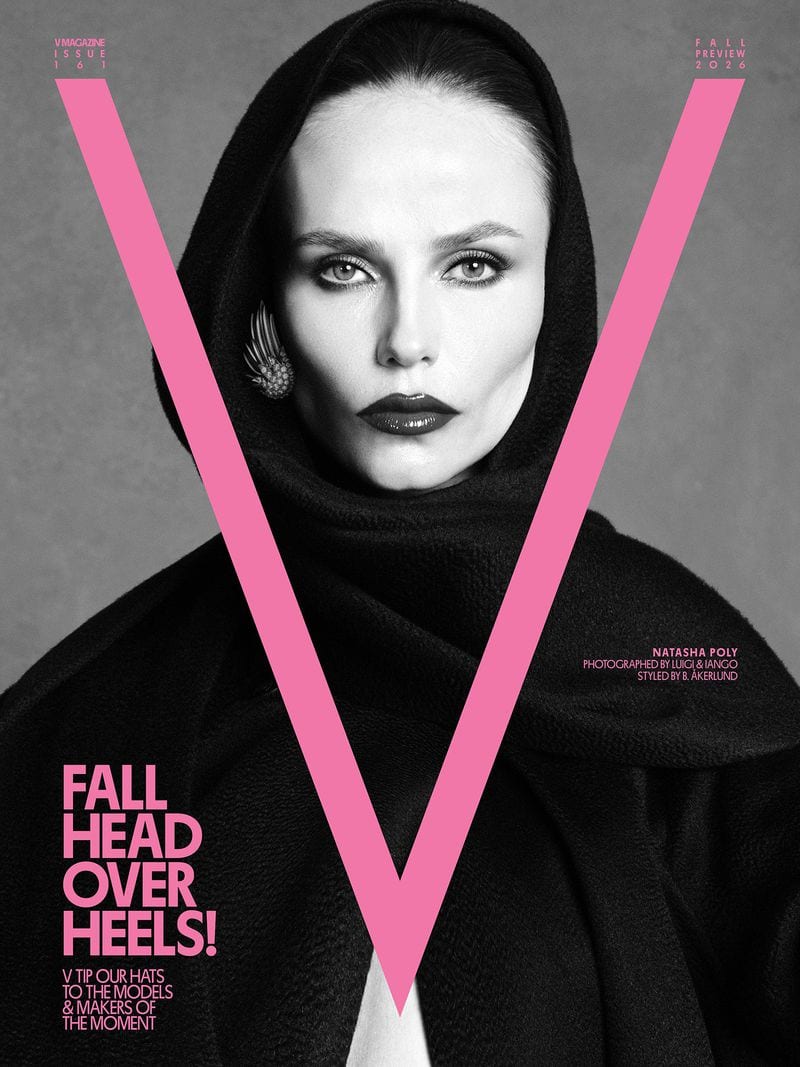
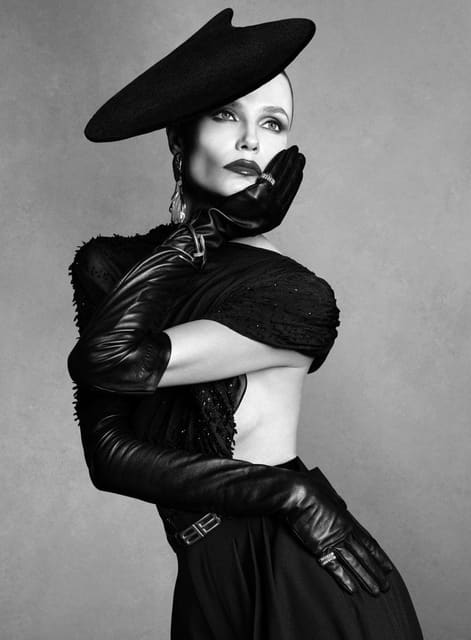
If the runway made her name, the camera kept it everywhere. Across the 2000s Poly was a constant in the world’s Vogue editions and a favourite of the era’s defining photographers, her cool, sculptural features lending themselves equally to severe high editorial and glossy advertising. She appeared in the pages and on the covers of magazines from Paris to Tokyo, accumulating a body of work that, taken together, reads almost as a visual record of late-2000s fashion itself. Few models of her generation were photographed as often, by as many of the best, for as long.
What “First Face” meant
To top the “First Face” ranking even once is a designer’s vote of confidence; to do it three seasons in a row was almost unheard of. The model who opens a show sets its tone, and in the late 2000s the industry’s most powerful houses kept choosing the same woman to walk out first. The distinction was never about a single signature look but about reliability at the very highest level — the ability to embody whatever a collection needed, season after season, for client after client. It made Poly the connective tissue of an entire era of fashion week, a fixture whose name on a call sheet signalled that a show mattered, and it turned a girl from a provincial Russian city into one of the most-booked faces the runway has ever produced.
The most enduring of the “Russian wave”
Poly arrived at the crest of fashion’s great “Russian wave” — the cohort of Eastern European models who reshaped casting in the mid-2000s — and became its most commercially successful figurehead. Trade press called her a “chameleon” for a face that could read as ice-queen editorial one season and pure luxe glamour the next. But her real distinction was longevity. Where most catwalk stars burn bright for three or four seasons, Poly stayed in the front rank year after year and never fully left — an arc so unusual that WWD has tracked her “style evolution through the years” precisely because it spans so much fashion history.
The Private Side
Away from the runway, Poly built a settled life in Northern Europe. She married the Dutch businessman Peter Bakker in 2011, and the couple have two children — a daughter, Aleksandra, born in 2013, and a son, Adrian, born in 2019. From a home base well outside the fashion capitals she has long commuted to the shows and shoots of Paris, Milan and New York, and in interviews she has framed motherhood and a “healthy, rested life” as the deliberate counterweight to a globe-trotting schedule — the choice that, by her own account, helped sustain a career most models cannot. She has spoken of deliberately stepping back from the all-consuming pace of her early twenties without ever stepping away from the work itself.
Earnings and net worth
Hard figures are scarce and deserve care. Several celebrity-finance aggregators have reported that Poly earned around $7.5 million in 2014, citing Forbes — but this is a secondary, unverified figure rather than a confirmed Forbes ranking, and is best read as an estimate. What is well documented is the engine behind any such fortune: a decade-plus of blue-chip campaign contracts, near-monthly international magazine covers, and one of the heaviest runway workloads of her generation.
Where she is now
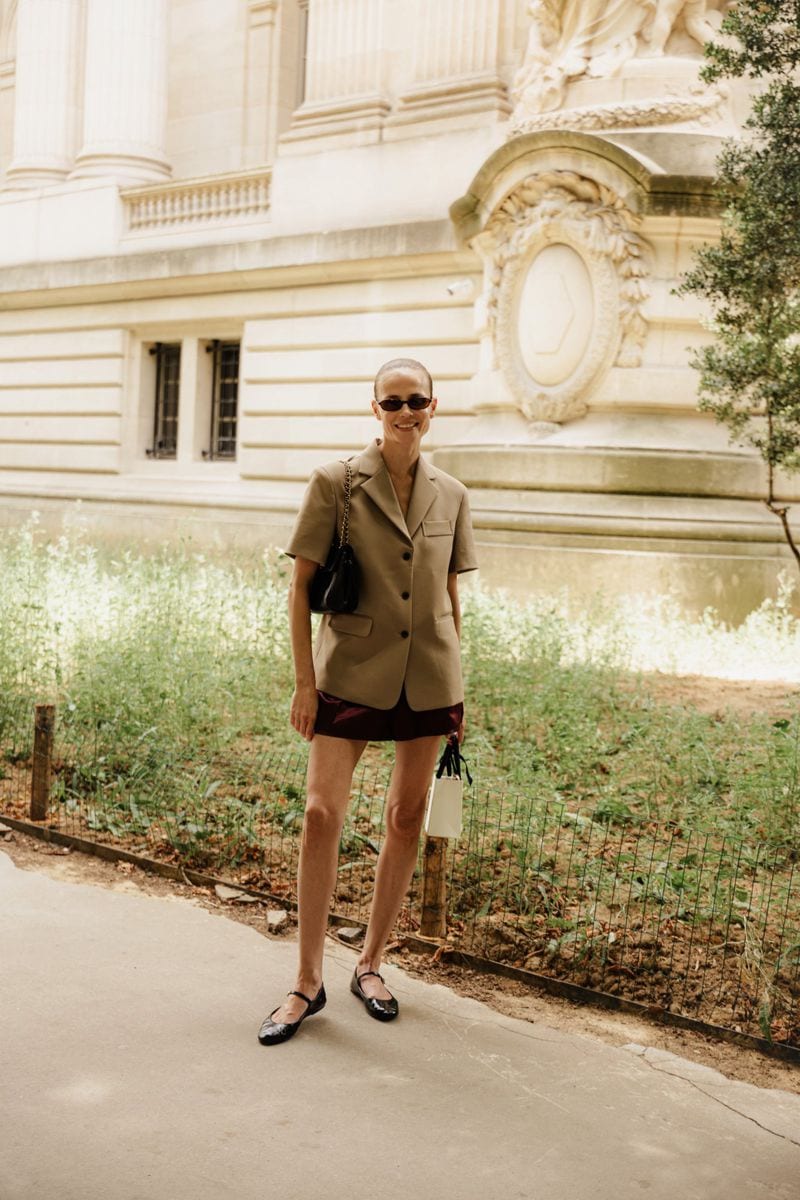
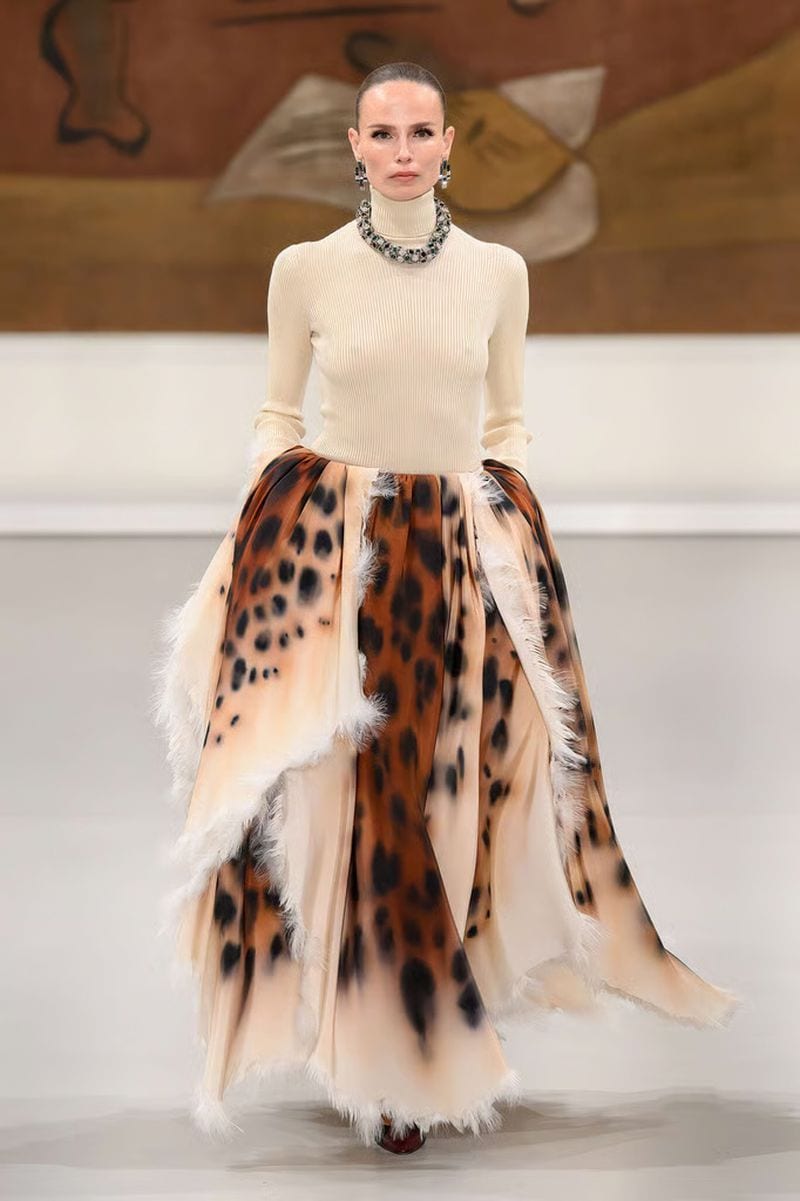
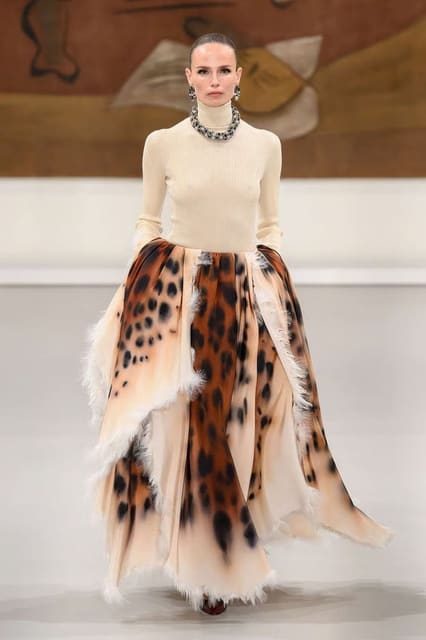
Poly never staged a comeback because she never truly stopped. She has kept walking the biggest houses well into her late thirties and forties: recent seasons have seen her at Roberto Cavalli, Chanel, Fendi and Sacai, and in April 2026 she walked the Chanel Cruise show in Biarritz. More than twenty years after her Ungaro debut she remains an active, in-demand runway model — not a nostalgia booking but a working professional the major houses still want first — a rarity that has itself become the defining story of her late career.