There is no single height you must be to become a model — the requirement depends entirely on the type of modeling. High-fashion and runway work has the strictest bar (women are usually 5′9″–6′0″ / 175–183 cm and men 6′0″–6′3″ / 183–191 cm), but commercial, plus-size, petite, fitness and parts modeling have far more flexible standards — and some have none at all.
Is there a height requirement to be a model?
Not one universal rule. Agencies set height ranges for each board (their word for a category of talent) because the work itself demands it: a runway show fits every look on the same sample garments, so those models have to share a narrow size and height. A commercial campaign, by contrast, wants faces that look like real customers — so height barely matters. Before you rule yourself in or out, find the category that fits you.
Model height requirements by type
| Type of modelling | Women | Men |
|---|---|---|
| High fashion / runway | 5′9″–6′0″ (175–183 cm) | 6′0″–6′3″ (183–191 cm) |
| Commercial / advertising | 5′6″–5′11″ (168–180 cm) | 5′11″–6′2″ (180–188 cm) |
| Plus-size / curve | 5′8″+ (173 cm+) | Varies |
| Petite | Under 5′7″ (170 cm) | Under 5′10″ (178 cm) |
| Fitness / swimwear | 5′6″–5′10″ (168–178 cm) | 5′10″+ (178 cm+) |
| Parts (hands, feet) | Any | Any |
Not sure where you fit? Create a GetModel profile with your stats, use visual search to see models with a similar look, then find castings that match your type.
- Fashion & runway (women): ~5′9″–6′0″ (175–183 cm). Many top agencies list a 5′8″ (173 cm) minimum; a few flex to 5′7″ for an exceptional look.
- Fashion & runway (men): ~6′0″–6′3″ (183–191 cm), usually with a 5′11″ (180 cm) minimum.
- Editorial: similar to runway — tall and slim, because editorial and show work overlap.
- Commercial & print: flexible. Roughly 5′6″–5′11″ is common for women, but shorter models book constantly. A relatable, expressive look outranks height here.
- Plus-size / curve: typically 5′8″–6′0″ (173–183 cm) — similar height to straight-size fashion, just larger sample sizes (see plus-size standards).
- Petite: generally under 5′7″ (170 cm), often 5′2″–5′6″. Petite models work in showroom, fit, commercial and parts jobs where runway height isn’t needed (full guide: petite model requirements).
- Fitness & swimwear: flexible; physique, tone and health read more than a number on the tape.
- Parts modeling (hands, feet, hair): height is irrelevant — well-proportioned features are the whole job.
- Child & teen: no height requirement — they are still growing, so agencies scout for potential and proportion, not a final number.
Heights are typical agency ranges, not hard laws; a strong portfolio and the right market can move the line.
Why height matters so much for runway
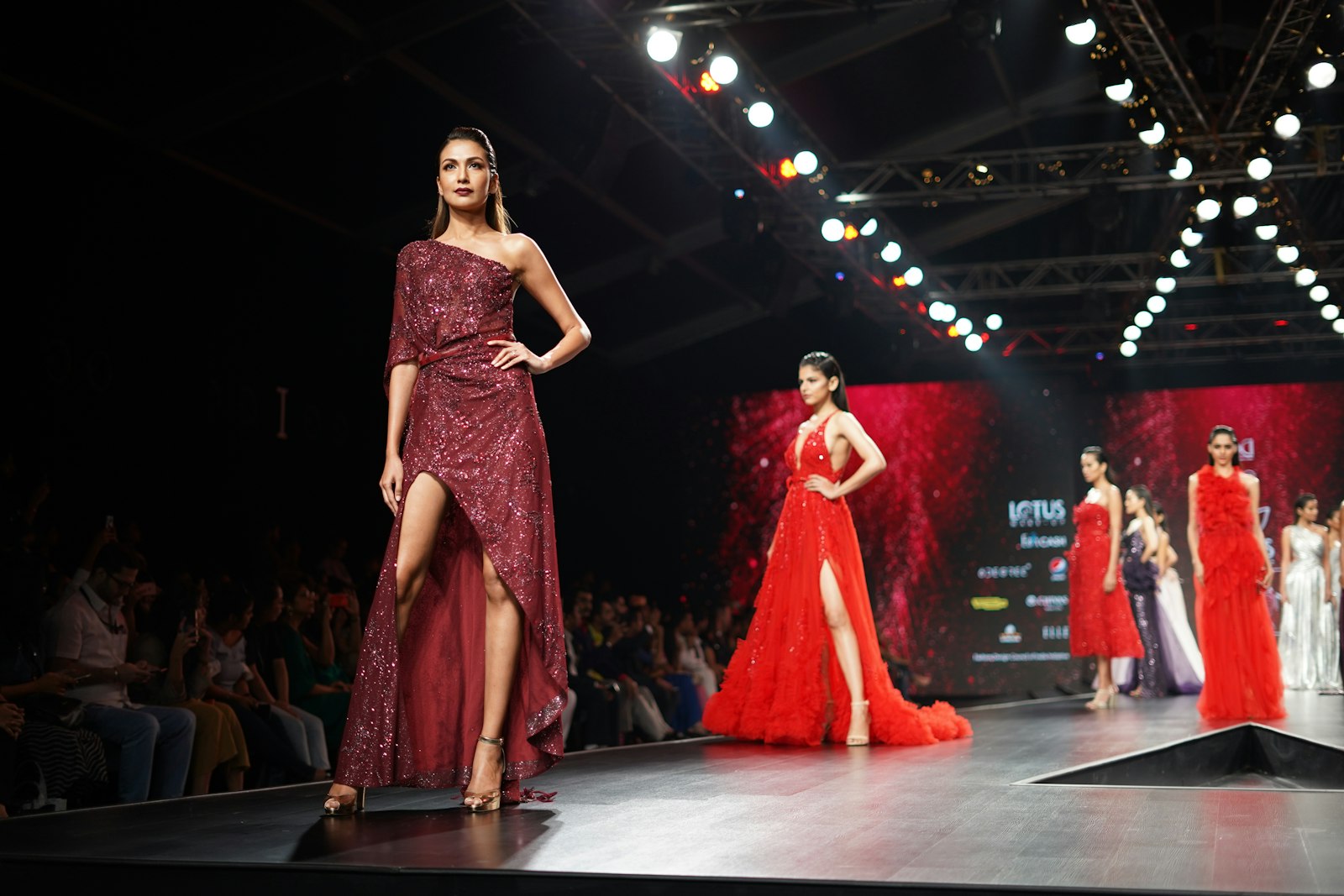
On the runway, designers show a collection on sample sizes — a single set of garments cut to one measurement set. Casting models who share a height and size means the clothes hang the way the designer intended without re-tailoring for each person. That is why fashion week casting is the one place height is close to non-negotiable — and why almost every other kind of modeling is more forgiving.
What if you’re shorter (or taller) than the “standard”?
Being outside the runway range closes one door and opens several others:
- Under 5′9″? Commercial, print, petite, fit and parts work is wide open — and social-first brands increasingly book for face and following, not stature.
- Over 6′0″? Editorial and runway love height; unusually tall can be an advantage, not a problem.
- Right in between? You have the most options — let your portfolio and look, not your height, decide your board.
Browse the boards to see where you fit: fashion, commercial, plus-size and new faces.
Height is only one measurement
Agencies look at the whole package: height, yes, but also proportion, measurements, skin and hair, how you move, and how you photograph. For the full picture of the numbers agencies actually record, read our model measurements guide. And whatever your height, the first step is the same — get seen. Learn how to become a model and get scouted.
Frequently Asked Questions
Can you be a model if you are under 5′7″?
Yes. Runway usually needs 5′9″+, but commercial, print, petite, fit and parts modeling all book shorter models regularly. Height only rules you out of one lane, not the industry.
How tall do you have to be for runway modeling?
For high-fashion runway, women are typically 5′9″–6′0″ (175–183 cm) and men 6′0″–6′3″ (183–191 cm), because shows are cast to fit one set of sample garments.
Can short girls be models?
Absolutely. Petite modeling (generally under 5′7″) is a full category, and commercial and social-media work put personality and look ahead of height.
Do male models have a height requirement?
For fashion and runway, most agencies want men around 6′0″–6′3″ with a 5′11″ minimum. Commercial and fitness work is far more flexible.
Is there a maximum height for models?
Not really. Very tall models can excel in editorial and runway; the only limit is finding a market and agency that champions your look.